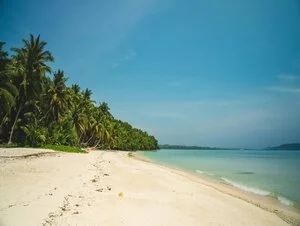
-
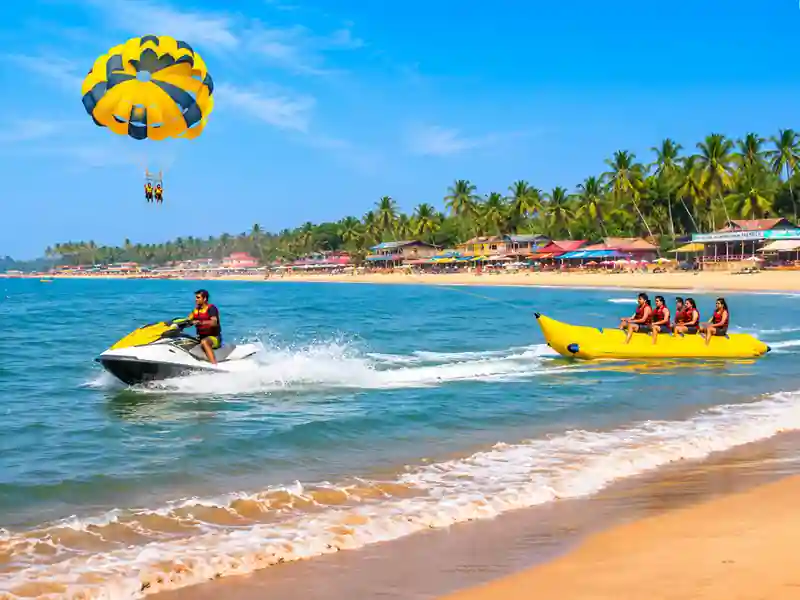
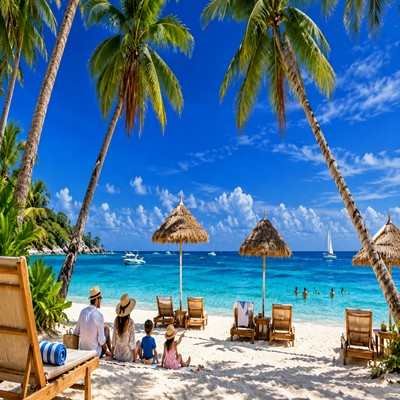
Enjoy parasailing, jet skiing, and seasonal water sports.
-
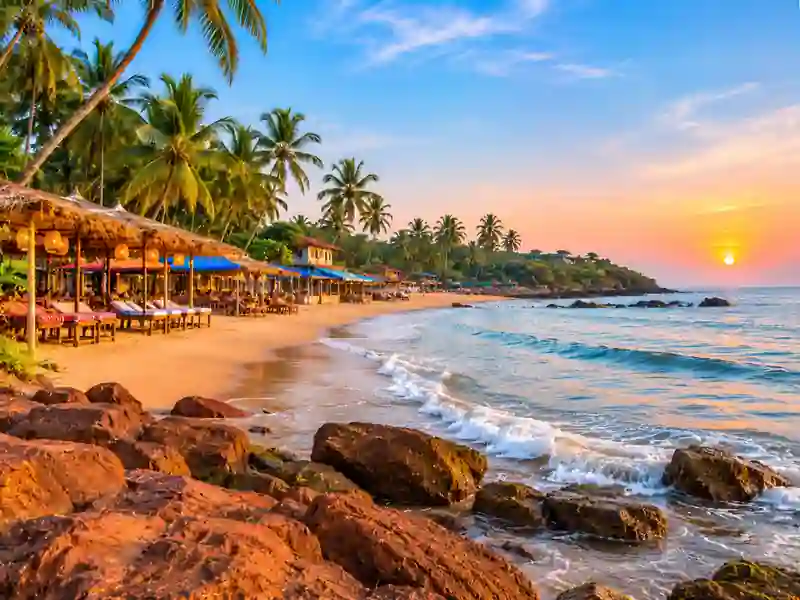
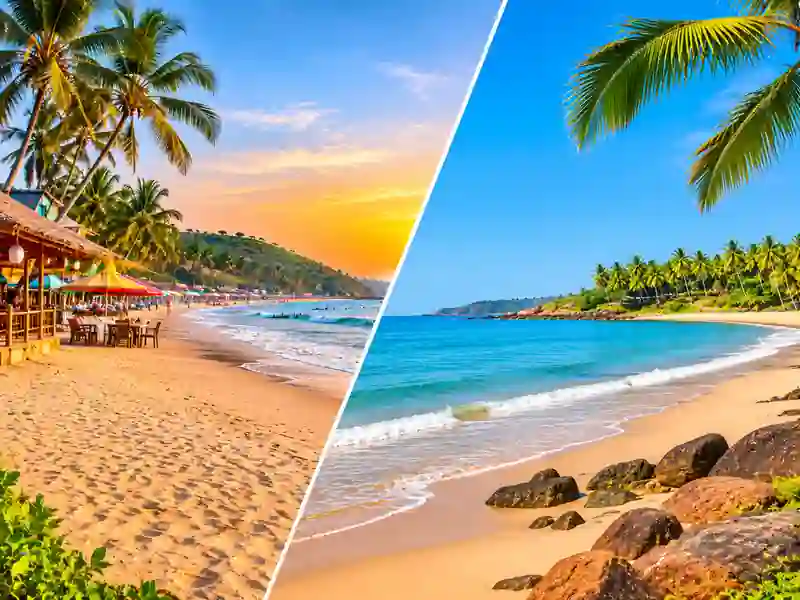
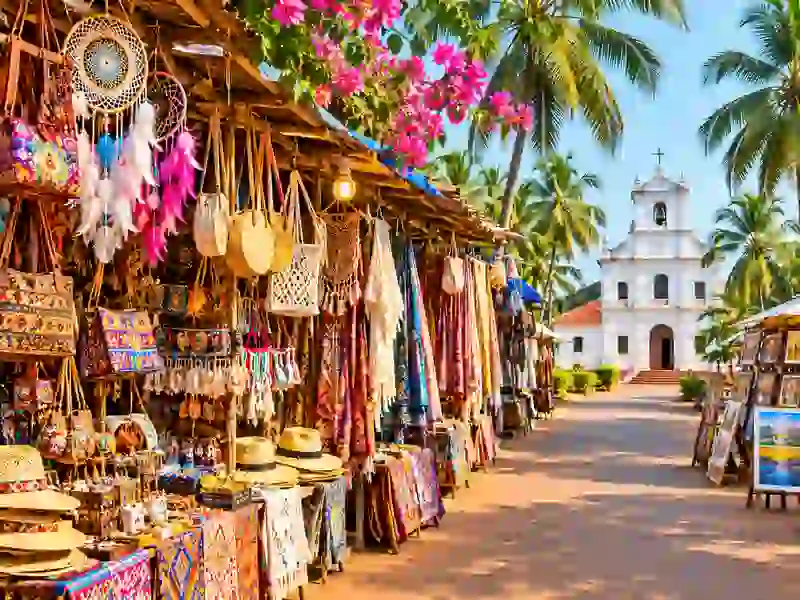
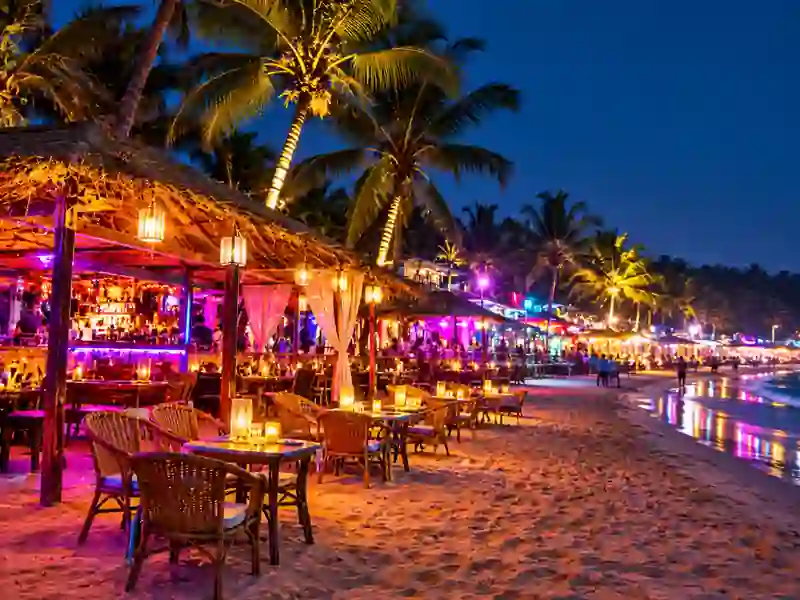
Explore lively beach shacks, restaurants, and cafés.
-
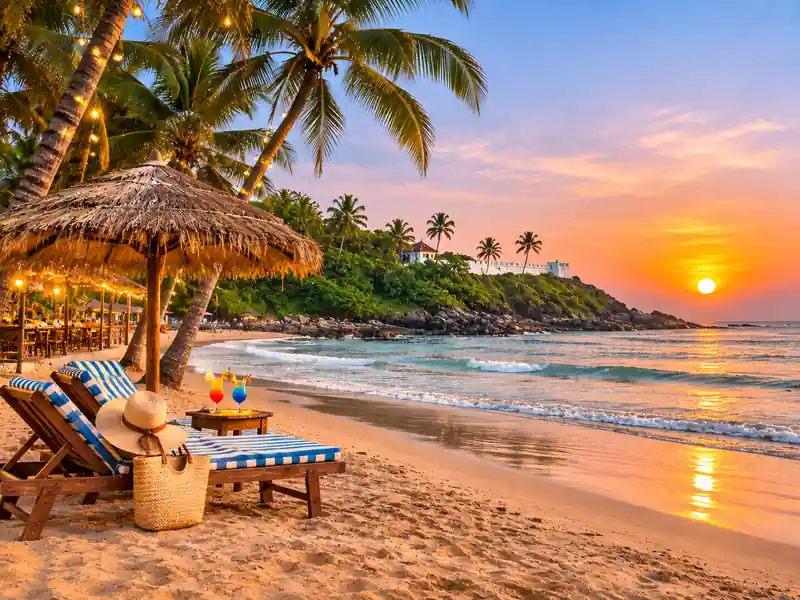
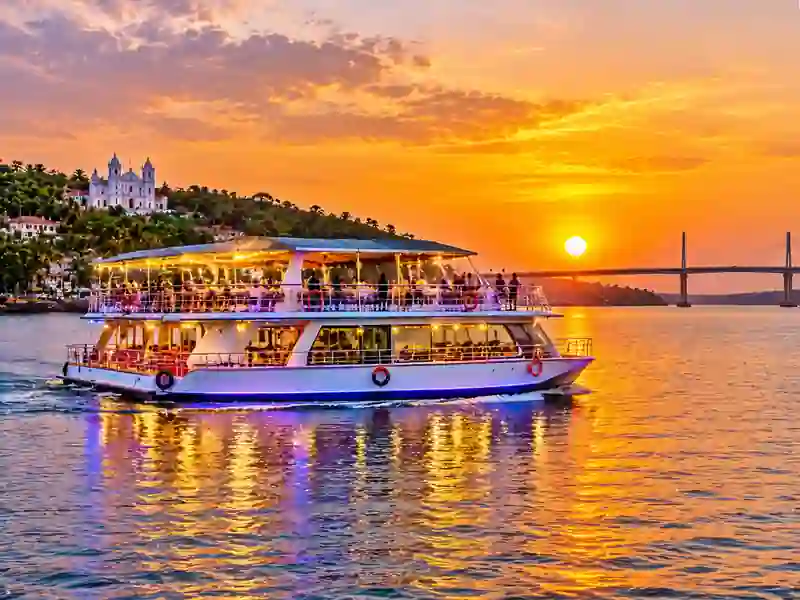
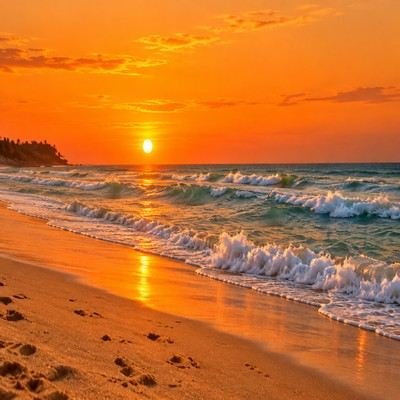
Experience vibrant nightlife and beautiful coastal sunsets.

Goa, located along India's western coastline beside the Arabian Sea, is one of the country's most popular holiday destinations, famous for its golden beaches, swaying palm trees, Portuguese-influenced architecture, vibrant nightlife, historic churches, and tropical landscapes. Although Goa is India's smallest state by area, it offers an extraordinary variety of travel experiences, from lively beach towns and water sports to peaceful coastal villages, heritage landmarks, wildlife sanctuaries, and traditional Goan culture.
Situated between Maharashtra and Karnataka, Goa is divided into two districts: North Goa and South Goa. Panaji (Panjim), the state capital, is known for its colourful colonial-era buildings, riverside setting, and charming neighbourhoods. The Mandovi and Zuari rivers flow through the state, contributing to its scenic estuaries, mangrove habitats, and coastal ecosystems.
Goa attracts honeymoon couples, families, groups of friends, adventure enthusiasts, and cultural travellers. Whether you prefer relaxing on quiet beaches, exploring centuries-old forts, enjoying water activities, or discovering local markets, Goa offers memorable experiences throughout the year.
North Goa is especially popular for its energetic beach atmosphere, restaurants, shopping markets, and entertainment options. Famous beaches such as Baga, Calangute, Candolim, Anjuna, and Vagator attract visitors with their lively surroundings, beachside cafés, and seasonal water sports.
Baga and Calangute are among the busiest tourist beaches, while Anjuna is known for its distinctive coastal atmosphere and flea market. Vagator offers scenic cliffs and beautiful sea views, making it popular for photography and sunset experiences.
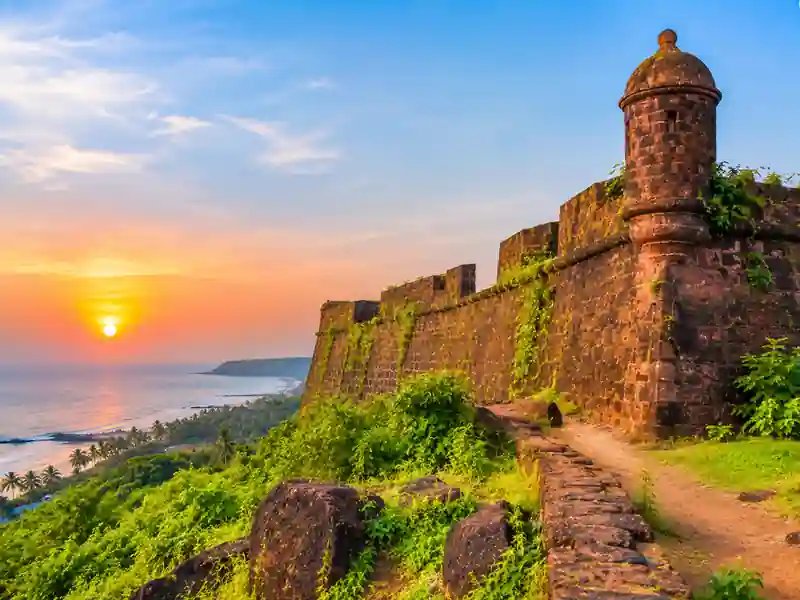
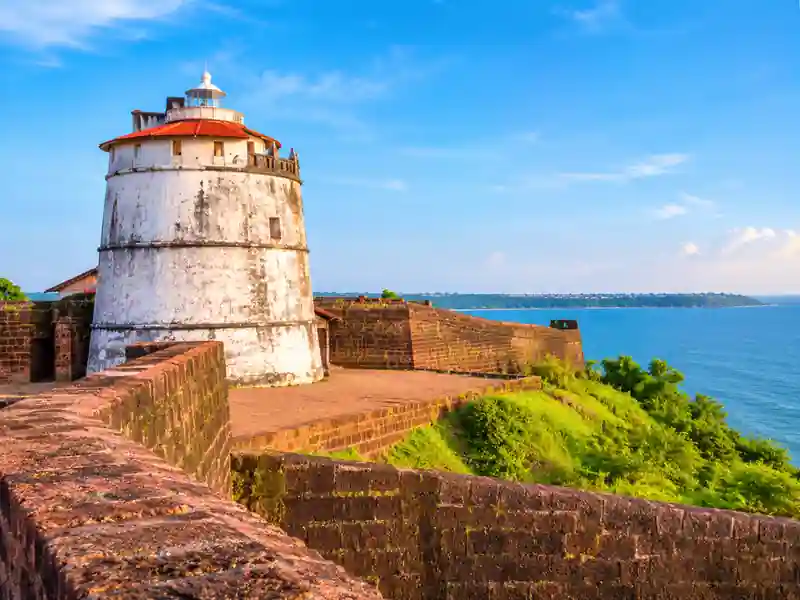
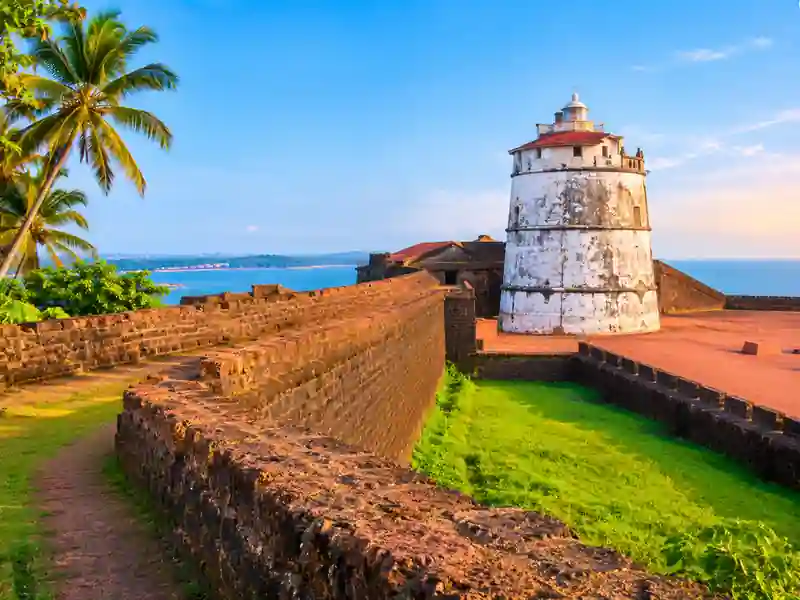
North Goa is also home to important historical attractions, including Fort Aguada, a seventeenth-century Portuguese fort overlooking the Arabian Sea, and Chapora Fort, known for its dramatic coastal viewpoints.
The region offers a wide selection of restaurants, beach shacks, markets, and nightlife venues. Travellers looking for entertainment, shopping, and active beach holidays often choose North Goa as their base.
South Goa is known for its comparatively peaceful beaches, scenic coastal landscapes, and relaxed holiday atmosphere. Destinations such as Colva, Benaulim, Cavelossim, Agonda, and Palolem offer opportunities to enjoy the Arabian Sea away from some of the busiest tourist areas.
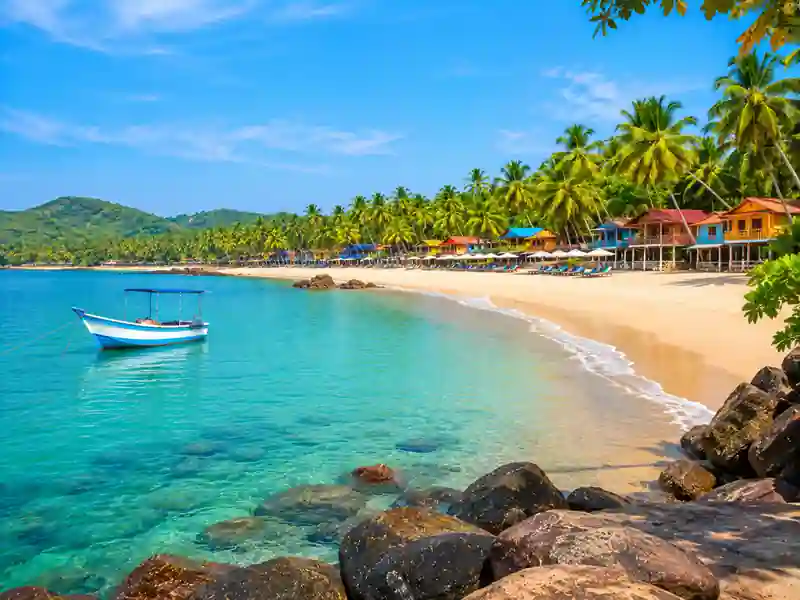
Palolem Beach is particularly famous for its crescent-shaped shoreline, surrounding palm trees, and picturesque coastal scenery. Agonda attracts visitors seeking quieter beach experiences, while Colva and Benaulim offer convenient access to restaurants, resorts, and local attractions.
South Goa is well suited to travellers interested in relaxing beach holidays, nature experiences, and slower-paced sightseeing.
Beyond the coastline, visitors can explore traditional villages, historic churches, local markets, and scenic countryside landscapes that reflect Goa's distinctive cultural identity.
Goa has a rich historical legacy shaped by centuries of Portuguese rule, which lasted until 1961. This influence remains visible in its architecture, churches, neighbourhoods, festivals, and cuisine.
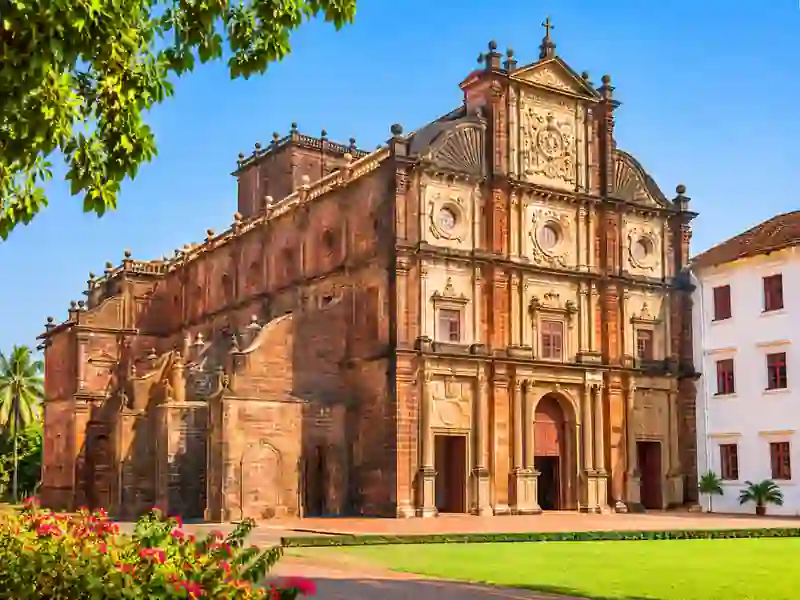
Old Goa, once the capital of Portuguese India, is home to several remarkable historic churches and religious monuments. The Basilica of Bom Jesus, associated with the relics of St. Francis Xavier, and Se Cathedral are among the most important landmarks within the UNESCO World Heritage-listed Churches and Convents of Goa.
In Panaji, the Fontainhas Latin Quarter is known for its colourful heritage houses, narrow streets, traditional balconies, and Portuguese-influenced architecture. The nearby Church of Our Lady of the Immaculate Conception is another recognizable landmark.
Historic forts, including Aguada, Chapora, and Reis Magos, provide insights into Goa's maritime history and coastal defence architecture.
Exploring these heritage attractions offers travellers a deeper understanding of Goa beyond its beaches.
Goa is one of India's popular coastal destinations for water sports and outdoor adventures.
Selected beaches offer activities such as parasailing, jet skiing, banana boat rides, and other motorized water sports, subject to weather conditions, operator availability, and local regulations.
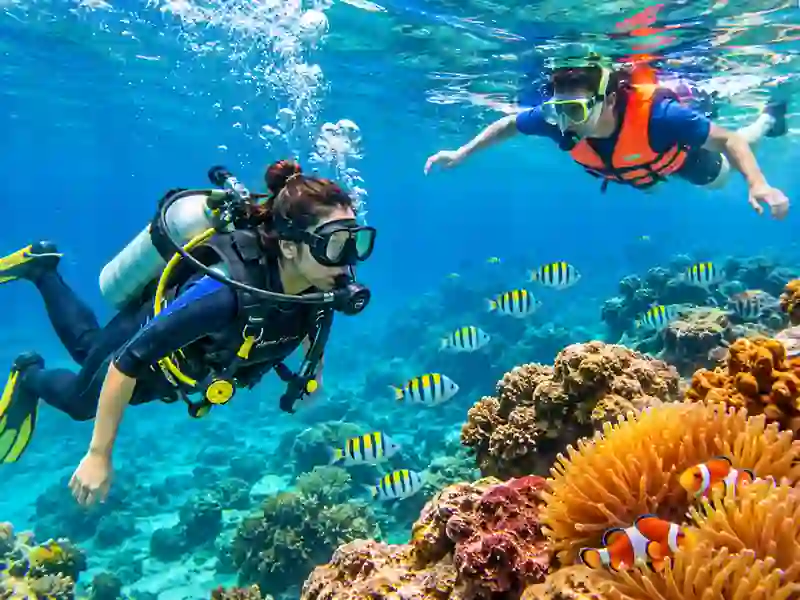
Scuba diving and snorkelling excursions are available through operators at suitable coastal locations, allowing visitors to experience marine environments and underwater scenery.
Travellers can also enjoy kayaking in calm backwaters, boat cruises along the Mandovi River, cycling through coastal villages, and nature walks in forested areas.
Water sports are generally more accessible during suitable non-monsoon conditions. Visitors should choose authorized operators, use appropriate safety equipment, and follow local safety instructions.
Goa's natural attractions extend far beyond its beaches. The state features tropical forests, rivers, waterfalls, wildlife sanctuaries, and scenic countryside landscapes.
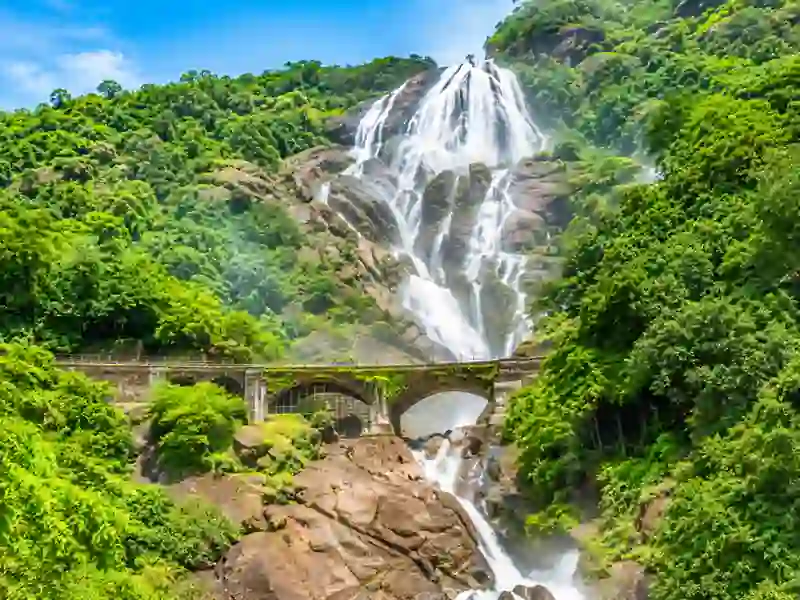
Dudhsagar Waterfalls, located near the Goa–Karnataka border, is among the region's most spectacular natural attractions. Surrounded by forested hills, the waterfall becomes especially dramatic during and after the monsoon, although visitor access is regulated and seasonal.
Bhagwan Mahavir Wildlife Sanctuary and Mollem National Park protect important forest habitats within the Western Ghats. Other natural areas, including Cotigao Wildlife Sanctuary and Salim Ali Bird Sanctuary, offer opportunities for nature exploration and birdwatching.
Goa's backwaters, mangroves, and rivers support diverse ecosystems, making the state appealing to travellers interested in wildlife, photography, and peaceful outdoor experiences.
Goa's cultural identity reflects a blend of Indian traditions, Portuguese influences, coastal lifestyles, and local communities.
Festivals such as Carnival, Shigmo, São João, Christmas, and Ganesh Chaturthi highlight the state's diverse cultural heritage. Traditional music, dance, colourful celebrations, and village festivals remain important parts of Goan life.
Goan cuisine is especially famous for its use of seafood, coconut, rice, and aromatic spices. Popular dishes include Goan fish curry, prawn balchão, chicken cafreal, xacuti, and bebinca, a traditional layered dessert.
Local markets, including Mapusa Market and the Anjuna Flea Market, offer opportunities to explore handicrafts, clothing, souvenirs, spices, and regional products.
Travellers can also experience Goa's cultural character by exploring traditional villages, heritage homes, and local neighbourhoods.
Goa offers different travel experiences throughout the year, although weather conditions influence beach activities and sightseeing.
November to February is generally considered the best time to visit Goa, with comparatively pleasant weather, lower humidity, and favourable conditions for beach holidays and outdoor exploration.
March to May brings warmer temperatures and increasing humidity, making early-morning sightseeing and relaxed resort stays more comfortable.
The monsoon season, typically June to September, transforms Goa into a lush green destination with flowing waterfalls and vibrant countryside scenery. However, rough sea conditions and seasonal restrictions can limit swimming, beach shacks, and water sports.
October marks the transition from monsoon to the main tourist season, with improving conditions as rainfall decreases.
Travellers should check weather forecasts and local activity schedules when planning their visit.
Goa stands out for its combination of beautiful beaches, historic architecture, vibrant culture, adventure activities, and tropical natural landscapes.
Visitors can spend mornings exploring heritage churches and colourful streets, afternoons relaxing beside the Arabian Sea, and evenings enjoying coastal restaurants or scenic sunset viewpoints.
Families can discover peaceful beaches and cultural attractions, couples can enjoy romantic coastal stays, groups can explore nightlife and adventure experiences, while nature enthusiasts can visit waterfalls, wildlife sanctuaries, and traditional villages.
Whether you are planning a short beach getaway, a relaxing family holiday, a romantic escape, or an extended coastal vacation, Goa offers diverse experiences suited to different travel preferences.
Discover Goa with Travel Ride and explore the state's beautiful coastline, historic landmarks, vibrant traditions, and unforgettable tropical experiences.

Explore the best places to visit in Goa, from the lively beaches of Baga, Calangute, and Anjuna to the peaceful shores of Palolem and Agonda. Discover historic attractions such as Fort Aguada, Chapora Fort, and the churches of Old Goa, along with scenic waterfalls, colourful markets, and charming Portuguese-influenced neighbourhoods.
Experience the best things to do in Goa, including thrilling water sports, sunset cruises, beach hopping, and exploring historic forts. Discover colourful local markets, traditional Goan cuisine, scenic waterfalls, and vibrant nightlife while enjoying the beautiful Arabian Sea coastline.
November to February offers pleasant weather for beaches and sightseeing, while summer and monsoon provide different coastal experiences.
Enjoy sunny beaches, coastal resorts, swimming where safe, and relaxed holidays, although daytime temperatures and humidity can be high.
Experience lush greenery, flowing waterfalls, and peaceful landscapes, while rough seas and seasonal restrictions limit many beach activities.
Enjoy improving weather, greener landscapes, beach sightseeing, and the gradual reopening of seasonal coastal activities after the monsoon.
Experience pleasant coastal weather, lively beaches, water sports, outdoor sightseeing, and Goa's popular festive holiday atmosphere.
Goa is well connected to major Indian cities by air, train, and road. Its two airports, coastal railway stations, and national highways provide convenient access to North Goa, South Goa, and popular beach destinations.
Goa is served by Dabolim and Manohar International Airport (Mopa), offering domestic and selected international flight connections.
Madgaon and Thivim are important railway stations, connecting Goa with Mumbai, Bengaluru, and other Indian cities.
Goa is accessible from Mumbai, Pune, Bengaluru, and neighbouring states through highways, with buses, taxis, and self-drive options.
Explore available tour packages and current listed prices.


Travel articles, destination information and useful guides.
Helpful answers about Goa.
North Goa is generally better for first-time visitors interested in lively beaches, nightlife, shopping, water sports, and popular attractions. Baga, Calangute, Candolim, Anjuna, and Vagator are among its well-known destinations. South Goa offers a more relaxed atmosphere, with beaches such as Colva, Benaulim, Varca, Agonda, and Palolem attracting travelers seeking quieter surroundings. Families and honeymoon couples often prefer South Goa for peaceful resort stays, while groups of friends may enjoy North Goa's entertainment options. Travelers with 5–6 days can explore both regions, although staying in one area and taking selected excursions may be more convenient for shorter holidays.
A 5-night 6-day Goa itinerary is generally suitable for exploring North Goa, South Goa, Old Goa, and Dudhsagar Falls without rushing. Travelers can dedicate two days to North Goa's beaches, forts, and markets, followed by a day exploring Old Goa's historic churches and Panaji's heritage neighborhoods. Another day can be reserved for South Goa's scenic beaches, while Dudhsagar Falls requires a separate excursion because of its inland location and access arrangements. A 3-night 4-day holiday is better suited to selected beaches and nearby attractions. Families should consider driving distances and seasonal restrictions before finalizing their sightseeing schedule.
The ideal beach in Goa depends on the type of holiday. Candolim and Benaulim are popular with families looking for convenient accommodation and restaurants. Agonda and Palolem attract couples interested in scenic surroundings and relatively peaceful stays. Baga and Calangute are suitable for travelers seeking lively beachfront areas, shopping, and entertainment, while Anjuna and Vagator are known for their cafés and nightlife venues. Visitors looking for quieter coastal experiences can consider Betalbatim, Patnem, or selected stretches of South Goa. Beach conditions vary by season, and swimming should only take place in designated safe zones under lifeguard guidance.
Yes, Fort Aguada, Chapora Fort, Anjuna Beach, and Vagator Beach can generally be combined into a full-day North Goa sightseeing itinerary. Travelers can begin with Fort Aguada and nearby coastal viewpoints before continuing toward Anjuna and Vagator. Chapora Fort is particularly popular for panoramic views of the coastline, but reaching the fort involves an uphill walk that may be uncomfortable during hot afternoons. Traffic congestion around popular beaches can also affect travel time. Visitors should allow time for photography, meals, and sunset views instead of scheduling too many additional stops. A private vehicle offers flexibility for exploring these attractions.
Dudhsagar Waterfalls is one of Goa's major natural attractions, but tourist access depends on seasonal conditions, forest regulations, and approved transportation arrangements. The waterfall is particularly impressive during the monsoon, although heavy rainfall can restrict access to certain routes. During the permitted operating season, visitors commonly use authorized jeep services from the Collem area to reach designated sightseeing points. Access arrangements may change according to forest department instructions. Travelers should not assume that private vehicles can drive directly to the waterfall. Before planning an excursion, confirm current entry permissions, jeep availability, applicable fees, and whether the route is operating safely.
Goa offers a different experience during July and August, with lush greenery, scenic countryside, and fewer visitors at many tourist locations. However, the southwest monsoon brings heavy rainfall and rough sea conditions, making swimming and most recreational sea-based activities unsafe or unavailable. Many seasonal beach shacks close during this period, although permanent hotels, restaurants, and selected attractions continue operating. Travelers interested in heritage sightseeing, local cuisine, wellness stays, and countryside experiences may enjoy a monsoon holiday. Those primarily planning parasailing, jet skiing, or beach swimming should choose a more suitable season and follow all official coastal safety restrictions.
Goa has two major airports, and the most convenient choice depends on the location of the hotel. Manohar International Airport at Mopa is generally convenient for travelers staying in northern areas such as Arambol, Morjim, Ashwem, and nearby destinations. Dabolim Airport may be more practical for Panaji, Vasco da Gama, and several South Goa locations. However, actual transfer times depend on traffic and the selected beach. Travelers should compare flight timings, fares, and airport-to-hotel distances before booking. A lower airfare may not always provide the most economical journey if the airport requires a significantly longer taxi transfer.
Scooter rentals are popular among couples and solo travelers who want flexibility for short coastal journeys, but riders must hold a valid driving licence and follow helmet and traffic regulations. Self-drive cars are convenient for small families seeking independent transportation, while private taxis are often more comfortable for larger groups, senior citizens, and travelers unfamiliar with local roads. Parking availability and traffic congestion should also be considered, particularly around Baga, Calangute, and other busy tourist areas. Visitors should rent vehicles only from legitimate operators, check insurance conditions, and document the vehicle's existing condition before accepting it.
Yes, Basilica of Bom Jesus, Se Cathedral, Fontainhas, and Dona Paula can generally be included in a full-day heritage and sightseeing excursion. Basilica of Bom Jesus and Se Cathedral are located in Old Goa and are known for their religious and architectural significance. Fontainhas, situated in Panaji, is famous for its colorful Portuguese-influenced houses and narrow streets. Dona Paula offers coastal viewpoints and a different atmosphere from the historic neighborhoods. Travelers should check church visiting hours and dress appropriately when entering religious sites. A guided heritage walk can provide additional insight into Goa's colonial history, architecture, and local traditions.
Grand Island excursions commonly combine boat travel, coastal sightseeing, and selected water activities, but the exact experience depends on the operator and sea conditions. Some excursions advertise dolphin watching and snorkeling, while scuba diving may require a separate booking or an upgraded activity package. Dolphin sightings are unpredictable and should never be guaranteed. Underwater visibility also varies by season, so snorkeling and diving conditions may not always match promotional photographs. Travelers should confirm whether the excursion includes professional instructors, safety equipment, meals, underwater photography, and return transportation. Boat trips may be suspended when weather or maritime conditions are unsuitable.
Candolim and Calangute are convenient accommodation areas for travelers interested in North Goa's beaches, restaurants, shopping, and nearby attractions. Baga is popular among visitors seeking nightlife and entertainment, while Anjuna and Vagator offer a mix of coastal scenery, cafés, and boutique stays. Panaji is a practical base for heritage sightseeing and exploring Old Goa. In South Goa, Colva, Benaulim, and Varca are suitable for relaxed family holidays, while Agonda and Palolem appeal to couples and travelers seeking quieter surroundings. Before choosing accommodation, visitors should confirm actual beach distance, parking availability, nearby restaurants, and whether transportation is required for sightseeing.
Yes, Goa offers several experiences beyond its beaches, making it suitable for travelers interested in culture, nature, and local traditions. Spice plantation visits provide opportunities to learn about tropical crops and regional agricultural practices, with guided tours and meals available at selected properties. Divar Island is known for its peaceful village atmosphere, traditional houses, and scenic surroundings, and is commonly accessed by ferry. Travelers can also explore local markets, historic churches, and countryside villages to experience a different side of Goa. These attractions can be included in a separate sightseeing day, allowing visitors to balance coastal relaxation with cultural exploration.