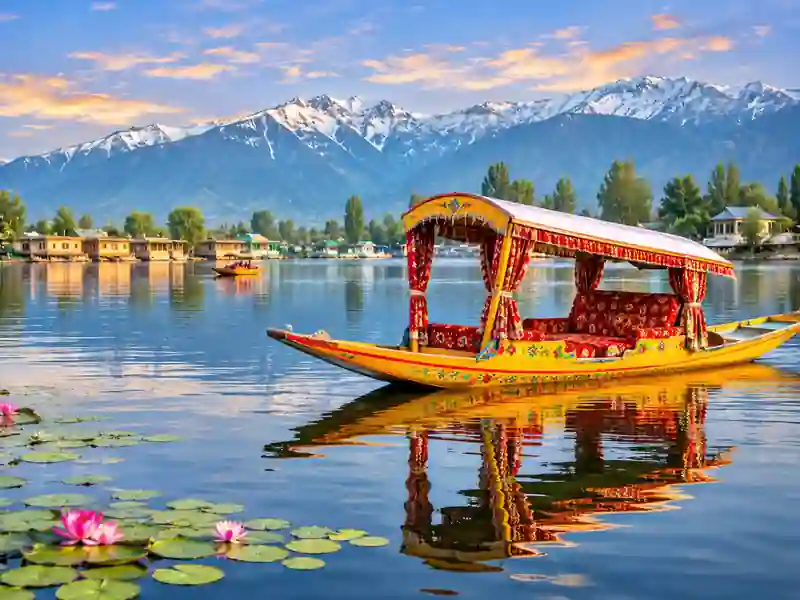
- Explore scenic waterways and floating markets.
- Admire breathtaking lake and mountain views.
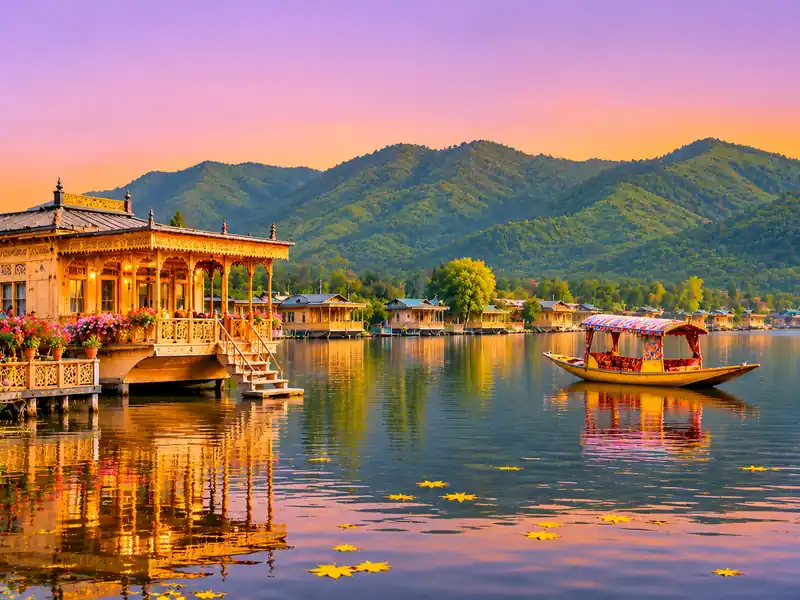
- Experience Kashmir's traditional wooden shikara boats.

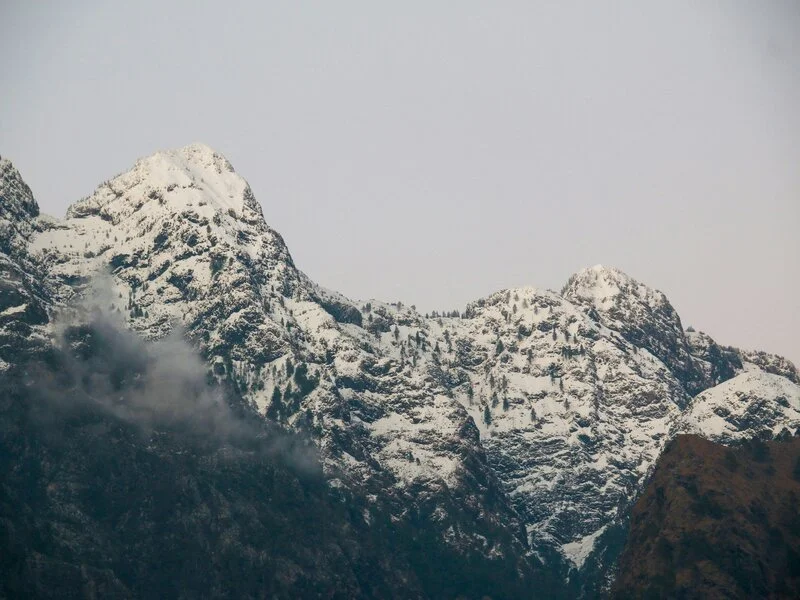
Kashmir, popularly known as the Paradise on Earth, is one of India's most breathtaking travel destinations, celebrated for its snow-covered Himalayan mountains, beautiful valleys, alpine lakes, lush meadows, and traditional Kashmiri culture. Located in the northern Himalayas, the Kashmir Valley is surrounded by the Pir Panjal and Greater Himalayan mountain ranges, creating a spectacular landscape of rivers, forests, gardens, and picturesque mountain towns.
From the peaceful houseboats of Srinagar and the snow-covered slopes of Gulmarg to the scenic valleys of Pahalgam and the alpine landscapes of Sonamarg, Kashmir offers memorable experiences for families, honeymoon couples, nature lovers, and adventure enthusiasts. Every season reveals a different side of the valley, from colourful spring blossoms and green summer meadows to golden autumn landscapes and snowy winter scenery.
Kashmir is home to some of the most beautiful mountain destinations in the Indian Himalayas, each offering unique scenery and travel experiences.
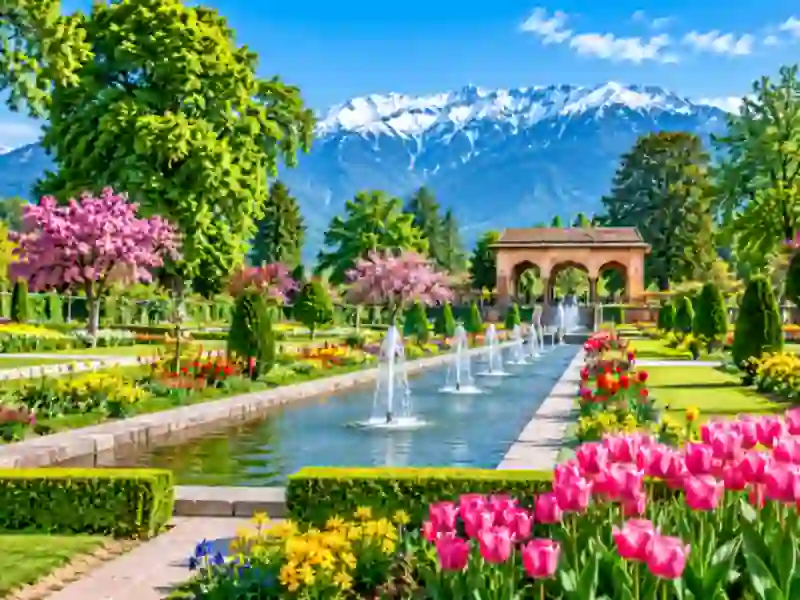
Srinagar, the principal city of the Kashmir Valley, is famous for Dal Lake, traditional houseboats, shikara rides, historic gardens, and bustling local markets. The celebrated Mughal Gardens, including Nishat Bagh and Shalimar Bagh, reflect the region's historic landscape architecture, while the Indira Gandhi Memorial Tulip Garden attracts visitors during its seasonal spring bloom.
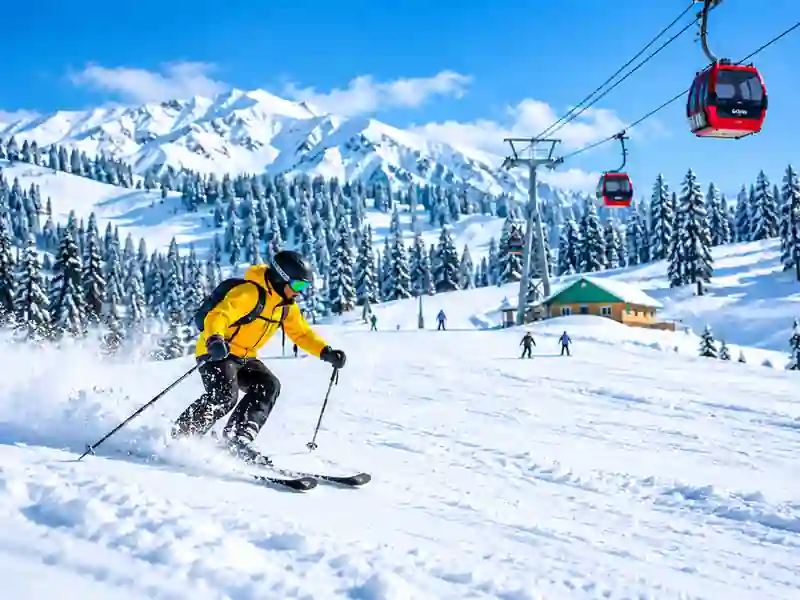
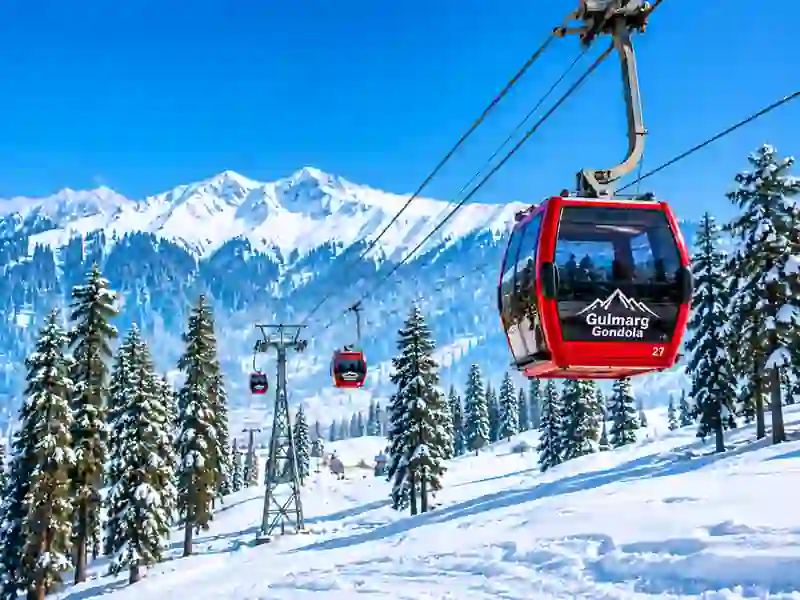
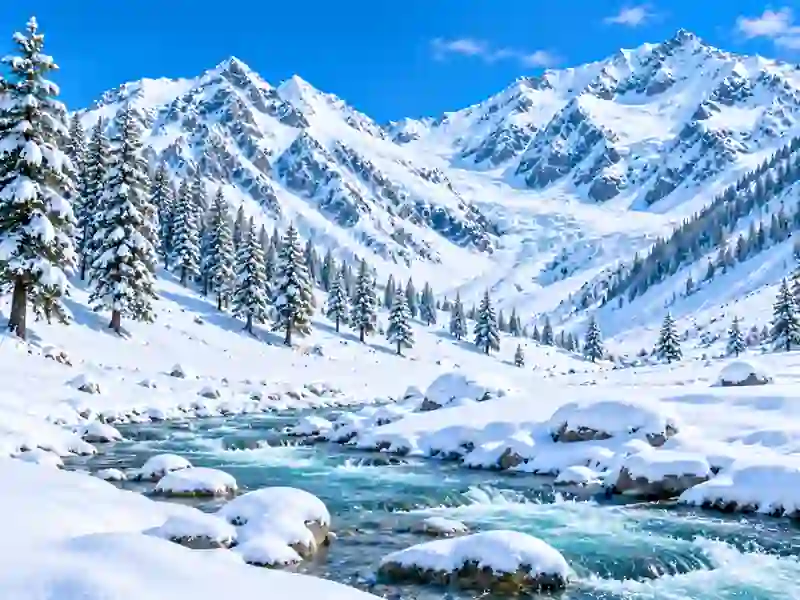
Gulmarg, surrounded by forests and mountain slopes, is internationally known for its winter sports and the Gulmarg Gondola. During winter, the destination attracts skiing and snowboarding enthusiasts, while summer brings green meadows, scenic walks, and mountain views.
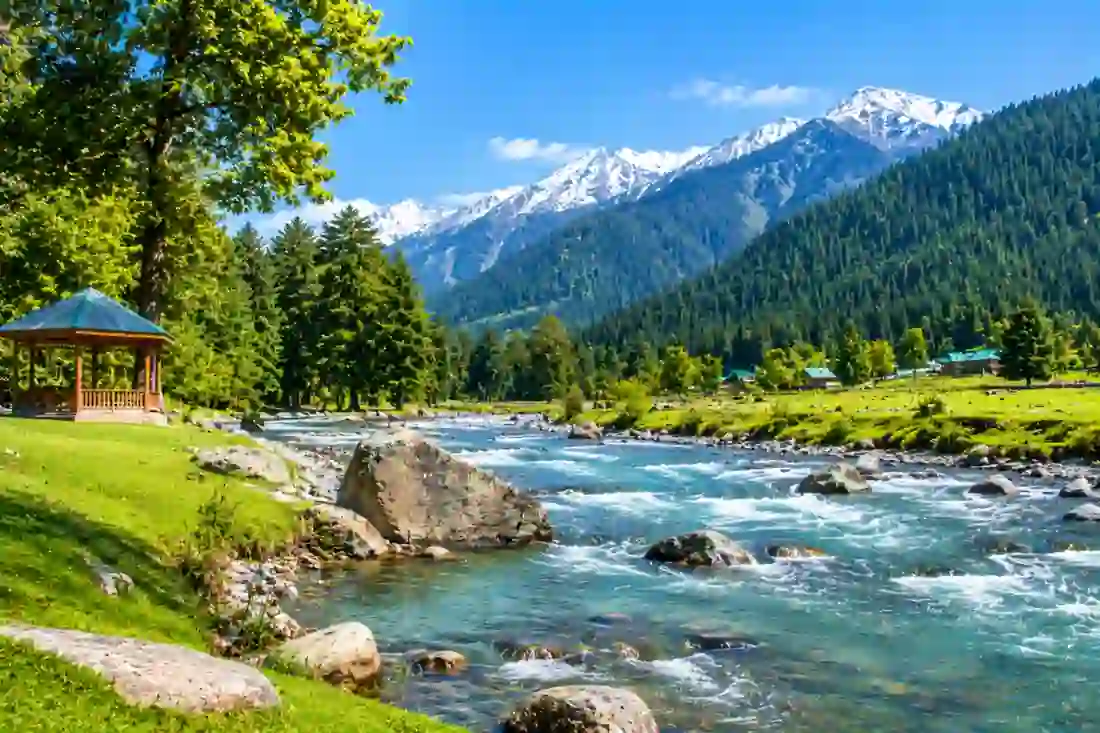
Pahalgam, situated along the Lidder River, offers beautiful forested valleys and access to attractions such as Betaab Valley, Aru Valley, and Chandanwari. It is also an important starting region for certain trekking routes and the traditional Amarnath Yatra.
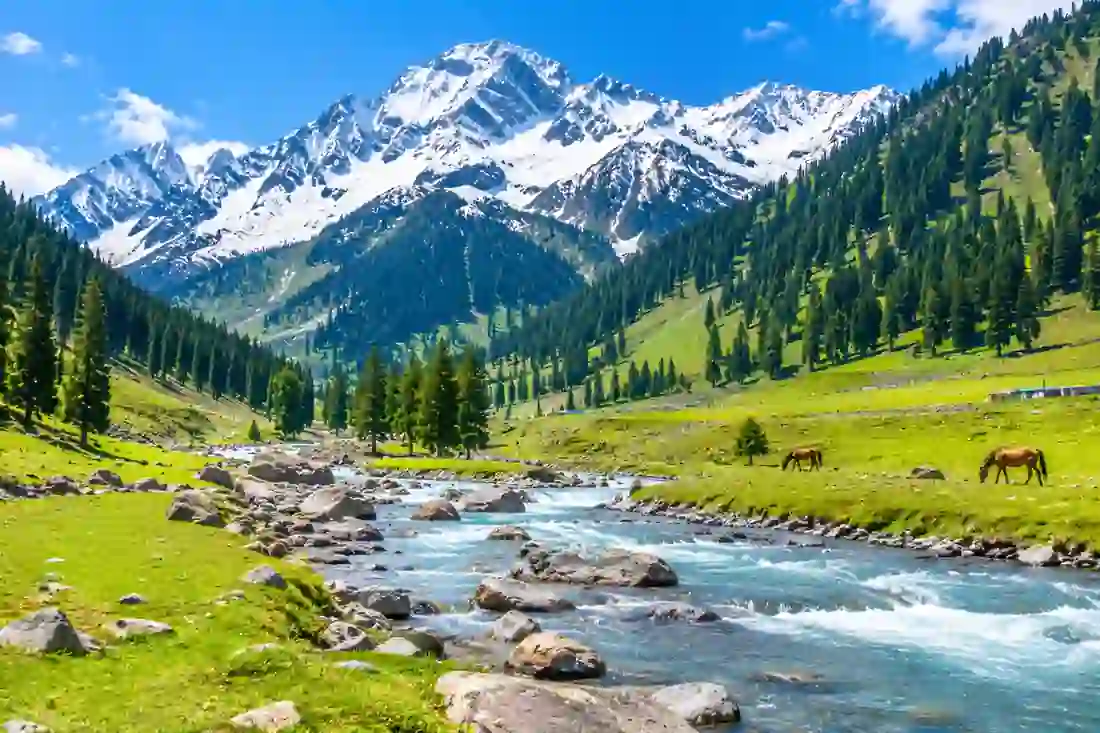
Sonamarg, meaning Meadow of Gold, is known for its dramatic Himalayan scenery, alpine meadows, mountain streams, and excursions towards Thajiwas Glacier. The region also serves as a gateway towards the high-altitude landscapes of Ladakh.
Other destinations, including Yusmarg, Doodhpathri, Kokernag, Verinag, and Gurez Valley, offer opportunities to discover Kashmir's quieter natural landscapes and traditional mountain settlements.
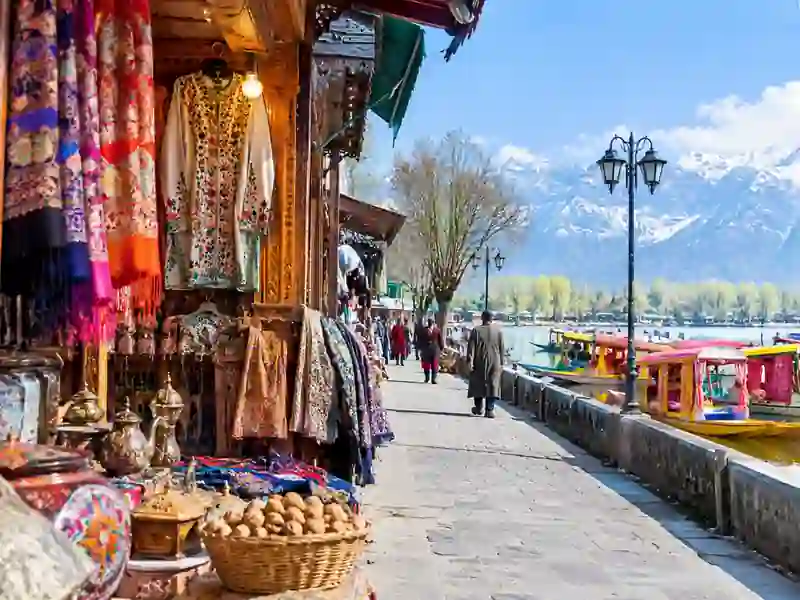
Kashmir's lakes and gardens are among its most recognizable attractions. Dal Lake in Srinagar is particularly famous for its houseboats, traditional wooden shikaras, floating markets, and beautiful mountain surroundings.
Nearby Nigeen Lake offers a comparatively peaceful lakeside atmosphere, while Wular Lake, one of the largest freshwater lakes in South Asia, is an important part of the region's natural ecosystem.
Kashmir is also known for its historic Mughal gardens, designed with terraced landscapes, flowing water channels, fountains, and mountain backdrops. Nishat Bagh, Shalimar Bagh, and Chashme Shahi remain popular sightseeing attractions.
Beyond the cities, the valley features alpine lakes, waterfalls, glaciers, and high-altitude meadows. Destinations such as Vishansar Lake, Krishansar Lake, and Tarsar Lake attract trekking enthusiasts during suitable seasonal conditions.
Kashmir offers a wide variety of outdoor experiences, from relaxing lake excursions to challenging Himalayan adventures.
Gulmarg is a major destination for skiing and snowboarding during the winter season. The Gulmarg Gondola provides access to spectacular mountain viewpoints, subject to weather conditions and operational schedules.
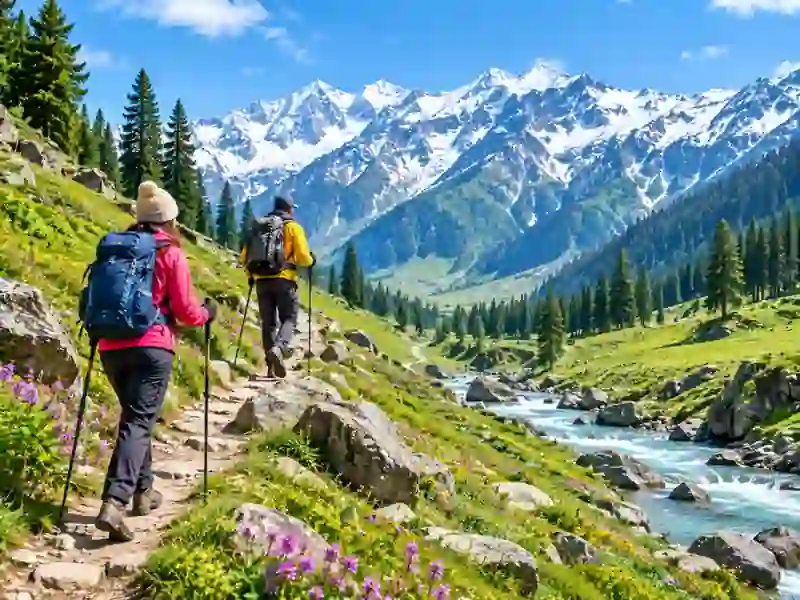
Trekking enthusiasts can explore the Kashmir Great Lakes Trek, Tarsar–Marsar Trek, and other mountain routes featuring alpine lakes, green meadows, and dramatic Himalayan landscapes. Trekking seasons and access depend on snow conditions, weather, and applicable local requirements.
In Pahalgam, visitors can enjoy scenic walks, riverside experiences, and excursions through nearby valleys. Horse riding is available at selected tourist locations, while fishing and other outdoor activities may require permits or authorized arrangements.
Nature photography, birdwatching, camping at permitted locations, and scenic mountain drives are also popular experiences throughout the Kashmir Valley.
Kashmir has a rich cultural heritage shaped by its history, artistic traditions, architecture, and local communities.
The region is especially famous for Pashmina shawls, hand-knotted carpets, papier-mâché crafts, walnut wood carving, and traditional embroidery. Visitors can explore local markets in Srinagar to discover handcrafted products and learn about traditional Kashmiri craftsmanship.
Kashmiri cuisine is another important part of the travel experience. The traditional multi-course Wazwan features dishes such as Rogan Josh, Gushtaba, and Rista, while vegetarian preparations and regional breads are also widely enjoyed.
The aromatic Kahwa, a traditional Kashmiri tea often prepared with saffron and spices, is a popular local beverage, particularly during colder weather.
Historic shrines, temples, mosques, and traditional neighbourhoods reflect the valley's diverse architectural and spiritual heritage. Important landmarks include Shankaracharya Temple, Hazratbal Dargah, and the historic Jama Masjid in Srinagar.
Kashmir supports diverse Himalayan ecosystems, including forests, wetlands, alpine grasslands, and high-altitude habitats.
Dachigam National Park, located near Srinagar, is particularly important for the conservation of the endangered Hangul, also known as the Kashmir stag. The park supports several other Himalayan wildlife species and offers opportunities for nature exploration where visitor access is permitted.
Wetland habitats such as Hokersar are significant for migratory birds, especially during the winter months. Birdwatchers and nature enthusiasts can observe seasonal birdlife while respecting protected-area regulations.
Kashmir's forests and mountain ecosystems also support a variety of mammals, birds, and alpine plant species, making the region important for biodiversity conservation.
Kashmir is a year-round destination, with each season offering a distinctive travel experience.
Spring (March to May) brings blooming gardens, colourful flowers, and pleasant weather in many valley destinations. Srinagar's tulip season is a major attraction during this period.
Summer (June to August) is popular for sightseeing, green meadows, houseboat stays, and excursions to Gulmarg, Pahalgam, and Sonamarg. Higher-altitude trekking routes may become accessible as seasonal snow recedes.
Autumn (September to November) transforms the valley with golden and reddish foliage, particularly from its famous chinar trees. The season is popular for photography, sightseeing, and peaceful holidays.
Winter (December to February) brings cold temperatures and opportunities for snowfall, skiing, and winter activities, particularly in Gulmarg. Access to higher-altitude destinations may be affected by snow and road conditions.
Travellers should check local weather, transportation availability, and destination accessibility before planning mountain excursions.
Kashmir stands out for its extraordinary combination of Himalayan scenery, lakeside experiences, traditional culture, and seasonal adventures.
Travellers can begin their journey with a peaceful shikara ride on Dal Lake, explore historic Mughal gardens, experience mountain views in Gulmarg, and discover the beautiful valleys of Pahalgam and Sonamarg.
Families can enjoy scenic sightseeing and houseboat experiences, couples can explore romantic lakeside and mountain destinations, while adventure enthusiasts can experience skiing, trekking, and high-altitude landscapes.
Whether you are planning a relaxing holiday, a cultural journey, a family vacation, or an adventure in the Himalayas, Kashmir offers unforgettable natural beauty and experiences throughout the seasons.
Discover Kashmir with Travel Ride and explore the spectacular landscapes, rich cultural heritage, peaceful lakes, and memorable mountain experiences of the Paradise on Earth.

Explore the most beautiful places to visit in Kashmir, from Srinagar's famous Dal Lake and Mughal Gardens to the snow-covered mountains of Gulmarg, scenic valleys of Pahalgam, and alpine landscapes of Sonamarg. Discover peaceful destinations such as Doodhpathri, Yusmarg, and Gurez Valley, surrounded by spectacular Himalayan scenery.
Experience the best things to do in Kashmir, including shikara rides on Dal Lake, skiing in Gulmarg, trekking through alpine valleys, and exploring the beautiful landscapes of Pahalgam and Sonamarg. Discover traditional houseboats, historic Mughal gardens, Kashmiri handicrafts, and exciting Himalayan adventures throughout the seasons.
March to October is popular for sightseeing, gardens, and scenic valleys, while winter offers snowfall and skiing experiences in Gulmarg.
Enjoy pleasant valley weather, lush green meadows, shikara rides, sightseeing, and mountain excursions in Srinagar, Pahalgam, and Sonamarg.
Explore green valleys, alpine landscapes, and seasonal trekking routes. Kashmir generally receives less monsoon rainfall than many Himalayan regions.
Experience golden chinar leaves, clear mountain views, pleasant sightseeing weather, and spectacular autumn landscapes throughout the Kashmir Valley.
Discover snow-covered landscapes, skiing in Gulmarg, winter photography, and beautiful Himalayan scenery, with access depending on snowfall conditions.
Kashmir is accessible by air, train, and road through major transportation routes. Srinagar Airport, railway connections in the Kashmir Valley, and highways provide access to popular destinations such as Srinagar, Gulmarg, Pahalgam, and Sonamarg.
Srinagar International Airport connects Kashmir with major Indian cities, offering convenient access to Srinagar, Gulmarg, Pahalgam, and nearby destinations.
Rail services connect the Kashmir Valley with Jammu and other parts of India. Srinagar and nearby stations provide regional access.
Kashmir is connected to Jammu and neighbouring regions through National Highway 44, with buses and private taxis available.
Explore available tour packages and current listed prices.


Travel articles, destination information and useful guides.
Helpful answers about Kashmir.
A 6-night 7-day Kashmir itinerary is generally suitable for exploring Srinagar, Gulmarg, Pahalgam, and Sonamarg without rushing. Travelers can spend two nights in Srinagar, one night in Gulmarg, two nights in Pahalgam, and the remaining night in Srinagar, depending on their arrival and departure schedules. Sonamarg can often be included as a day excursion when road access permits. A shorter 4-night 5-day trip may cover the main attractions, but sightseeing time will be limited. Families interested in houseboat stays, scenic valleys, and relaxed mountain experiences should consider additional time for weather-related delays.
Gulmarg and Pahalgam can be visited as separate day trips from Srinagar, but overnight stays provide a more relaxed experience. Gulmarg is approximately 50–55 km from Srinagar and is popular for the Gondola, mountain scenery, and winter sports. Pahalgam is approximately 90–100 km away and offers access to Betaab Valley, Aru Valley, and Chandanwari. Travelers staying overnight can explore these attractions without rushing back to Srinagar. However, families with limited vacation time may prefer a Srinagar-based itinerary to avoid frequent hotel changes. The best arrangement depends on the season, sightseeing priorities, and accommodation budget.
The Gulmarg Gondola operates in two main stages. Phase 1 connects Gulmarg with Kongdori, offering mountain views and access to selected snow activities depending on the season. Phase 2 continues from Kongdori toward Apharwat, reaching a significantly higher altitude with panoramic Himalayan scenery. Travelers interested in high-altitude snow landscapes often prefer including both phases, but Phase 2 operations depend heavily on wind, visibility, and weather conditions. Visitors should book tickets through the authorized reservation system and confirm the operating schedule before departure. Families with young children or travelers sensitive to altitude should carefully consider whether Phase 2 is suitable.
Yes, Betaab Valley, Aru Valley, and Chandanwari can generally be explored during a full-day Pahalgam sightseeing excursion. However, these attractions lie along different routes, and visiting all three requires careful time management. Betaab Valley is known for its mountain scenery and riverside landscapes, while Aru Valley offers meadows and access to trekking routes. Chandanwari is popular for its mountain surroundings and seasonal snow experiences. Local taxi regulations may require tourists to hire an authorized Pahalgam sightseeing vehicle rather than using their regular Srinagar taxi. Travelers should confirm applicable vehicle charges, attraction entry fees, and seasonal road accessibility before planning the excursion.
Yes, Sonamarg and the Thajiwas Glacier area can often be included in a full-day excursion from Srinagar when weather and road conditions are favorable. Sonamarg is approximately 80–90 km from Srinagar, and the journey generally takes around 2.5–3.5 hours each way. Thajiwas is a popular destination for mountain scenery and seasonal snow, but visitors may need to walk or arrange permitted local pony services to reach accessible viewpoints. Snow conditions vary throughout the year, and reaching the actual glacier is not necessary for enjoying the surrounding landscapes. Travelers should confirm local access restrictions, pony rates, and return travel timings.
January and February generally offer the strongest opportunities for experiencing snow-covered landscapes in Gulmarg and other higher-altitude areas of Kashmir. December can also bring snowfall, particularly toward the end of the month, but snow accumulation is not guaranteed. March may still offer substantial snow at higher elevations, especially around Apharwat, while lower-altitude destinations such as Srinagar may experience milder conditions. Travelers should understand that snowfall and existing snow cover are different experiences. Those planning skiing, Gondola rides, or snow photography should check current weather and operational conditions rather than expecting snow on a specific date.
Kashmir offers different seasonal experiences throughout the year. The Indira Gandhi Memorial Tulip Garden in Srinagar generally attracts visitors during spring, particularly around late March and April, although the flowering period depends on weather conditions. Apple orchards become especially interesting during the harvest season, commonly from late summer into autumn, with timing varying by variety and location. Chinar trees display beautiful golden, orange, and reddish foliage during autumn, particularly around October and November. Travelers should select their dates according to the experience they want rather than assuming all three attractions can be enjoyed in one season.
A Dal Lake houseboat stay offers a distinctive Kashmir experience, featuring traditional wooden interiors, lake views, and access to Shikara rides. However, houseboats differ significantly in location, room facilities, maintenance standards, and accessibility. Some require boat transfers to reach the accommodation, which may be inconvenient for travelers carrying heavy luggage or those with mobility difficulties. Hotels in Srinagar generally offer easier road access and greater flexibility for early sightseeing departures. Families can combine one night in a houseboat with additional hotel nights to enjoy both experiences. Before booking, confirm heating arrangements, bathroom facilities, meals, and whether Shikara transfers are included.
Yes, Gurez Valley, Doodhpathri, and Yusmarg can be included in an extended Kashmir itinerary, but they should not be treated as nearby attractions. Doodhpathri and Yusmarg are relatively convenient excursions from Srinagar, while Gurez Valley requires a much longer journey through Bandipora and Razdan Pass. Gurez is best planned with at least one or two overnight stays, depending on road accessibility and sightseeing preferences. Travelers should generally allow 8–10 days or longer when combining these destinations with popular Kashmir attractions. Access to remote areas may be affected by weather, security restrictions, and identification requirements, so current travel permissions should be verified.
Yes, Kashmir offers numerous sightseeing experiences that do not require strenuous trekking. Families can explore Dal Lake, Mughal gardens, Pahalgam's accessible viewpoints, and selected areas of Gulmarg and Sonamarg using road transportation. However, some attractions involve walking, uneven surfaces, steps, or local pony rides. High-altitude excursions such as Gulmarg Gondola Phase 2 may not be suitable for everyone, particularly travelers with certain medical conditions. Families should select hotels with heating, lifts where needed, and convenient vehicle access. A comfortable Kashmir itinerary should prioritize manageable travel distances, suitable sightseeing locations, and sufficient rest between excursions.
Travel conditions in Kashmir can vary depending on the destination, weather, and prevailing security situation. Popular tourist areas such as Srinagar, Gulmarg, Pahalgam, and Sonamarg have established tourism infrastructure, but visitors should not assume that every location is accessible at all times. Travelers should review current government travel advisories, follow local security instructions, and avoid restricted areas. Remote destinations may have limited mobile connectivity, fewer medical facilities, and seasonal road closures. Families should use verified transportation providers, carry valid identification, and share their itinerary with their accommodation provider. Flexible travel arrangements are particularly important when visiting border-sensitive or high-altitude areas.
A private vehicle can generally be used for major transfers between Srinagar, Gulmarg, Pahalgam, and Sonamarg, subject to current local transportation regulations. However, certain sightseeing routes may require separate local vehicles or authorized transport services. In Pahalgam, excursions toward Aru Valley, Betaab Valley, and Chandanwari commonly involve locally arranged taxis. Gulmarg may require additional transportation for specific winter activities or restricted-access areas, while Sonamarg excursions can involve separate local vehicle or pony arrangements. These expenses are not always included in the original transportation booking. Travelers should confirm the exact sightseeing routes, local union requirements, and additional charges before finalizing their Kashmir itinerary.