



Where Royal Forts Meet Aravalli Grandeur
Kumbhalgarh is one of Rajasthan's most remarkable heritage destinations, celebrated for its magnificent hilltop fortress, massive defensive walls, ancient temples, scenic Aravalli landscapes, and glorious Rajput history. Located in the Rajsamand district of Rajasthan, approximately 85–100 kilometers from Udaipur depending on the route, Kumbhalgarh attracts history enthusiasts, families, photographers, nature lovers, and travelers interested in exploring the royal heritage of Mewar.
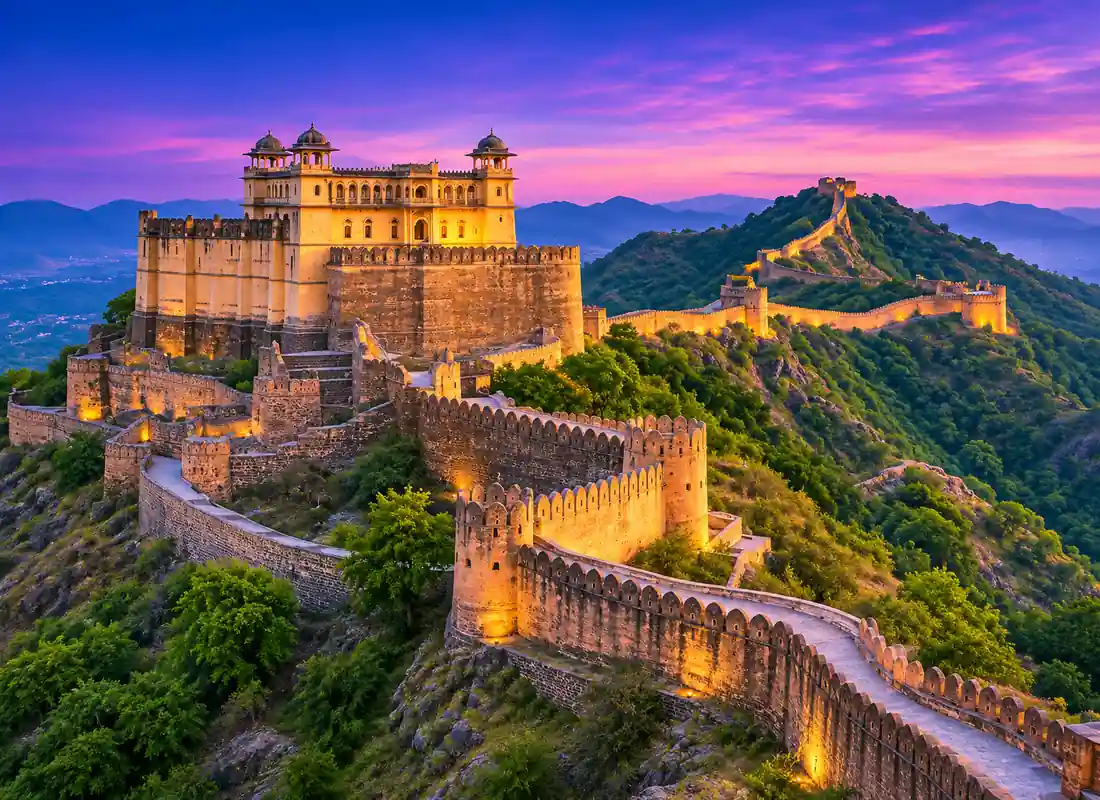
Surrounded by the rugged beauty of the Aravalli Hills, Kumbhalgarh is home to the spectacular Kumbhalgarh Fort, a UNESCO World Heritage Site included among the Hill Forts of Rajasthan. Built during the 15th century under the rule of Rana Kumbha, the fortress is renowned for its impressive architecture, strategic mountain location, and extraordinary defensive walls stretching approximately 36 kilometers.
Kumbhalgarh is also celebrated as the birthplace of Maharana Pratap, one of Mewar's most respected historical rulers. Its ancient palaces, beautifully carved temples, massive gateways, and breathtaking viewpoints offer visitors an unforgettable journey through Rajasthan's royal past.
Beyond its historical attractions, Kumbhalgarh is famous for Badal Mahal, Neelkanth Mahadev Temple, Golerao Jain Temples, and Kumbhalgarh Wildlife Sanctuary. These landmarks combine architectural beauty, spiritual heritage, wildlife experiences, and scenic mountain landscapes.
Whether you are planning a cultural holiday, a romantic getaway, a family vacation, or a heritage-focused Rajasthan tour, Kumbhalgarh offers a memorable combination of history, natural beauty, and traditional Rajasthani hospitality.
The majestic Kumbhalgarh Fort is the most famous attraction in Kumbhalgarh and one of Rajasthan's most impressive historical landmarks.
Built during the reign of Rana Kumbha in the 15th century, the fortress served as an important defensive stronghold of the Mewar kingdom.
Situated on a high ridge of the Aravalli Hills, the fort was strategically designed to protect the region from invading armies.
Its remarkable defensive walls stretch approximately 36 kilometers across the surrounding hills, making them among the most extensive historic fortification walls in the world.
The fort complex contains beautiful palaces, ancient temples, impressive gateways, courtyards, and scenic viewpoints.
Visitors can explore its remarkable architecture, discover the history of the Mewar rulers, and admire panoramic views of the surrounding mountain landscapes.
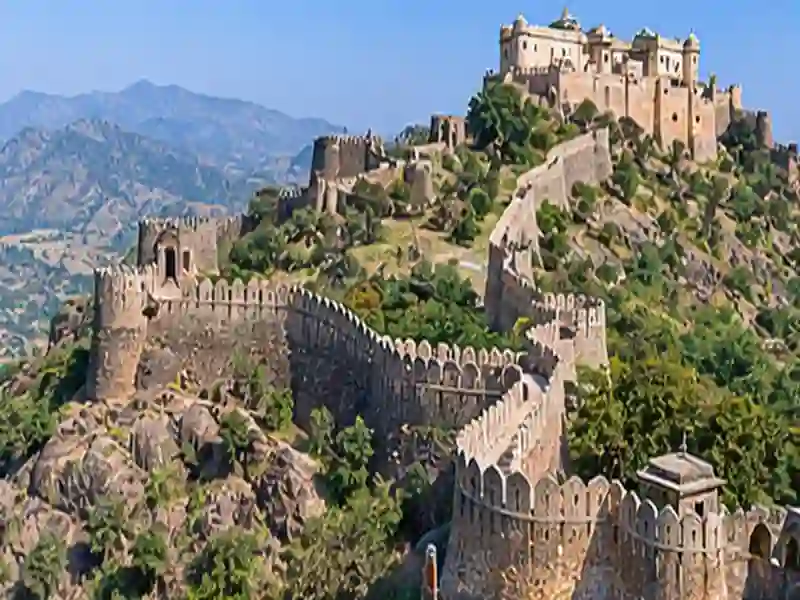
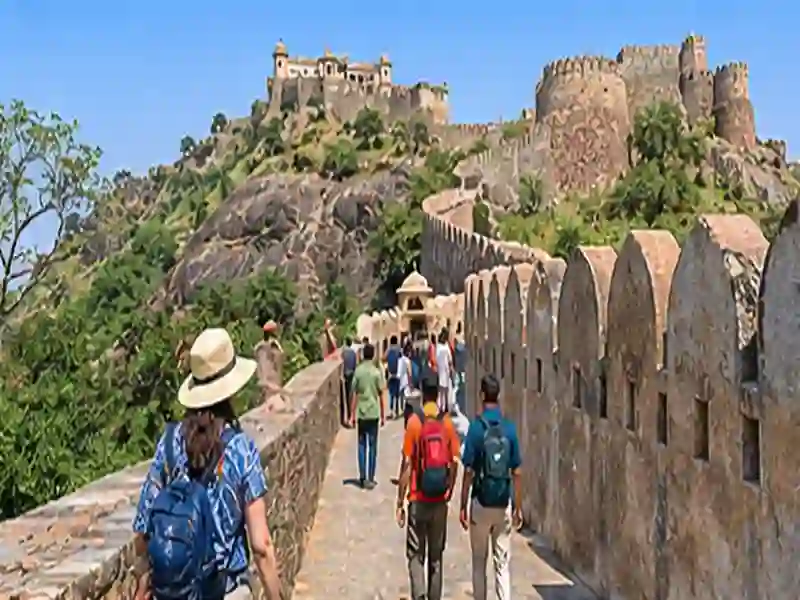
One of Kumbhalgarh's most extraordinary features is its massive defensive wall, often popularly referred to as the Great Wall of India.
Stretching approximately 36 kilometers through the rugged Aravalli terrain, the wall was constructed to strengthen the fortress's defenses.
Its impressive width, strategic watchpoints, and winding mountain alignment demonstrate the engineering skills of medieval Rajput architects.
Visitors can admire accessible sections of the fortification and capture spectacular photographs of the walls extending across the hills.
The combination of historic architecture and dramatic mountain scenery makes the Kumbhalgarh wall one of Rajasthan's most distinctive attractions.
Walking along permitted sections offers a memorable perspective on the scale and defensive importance of the fortress.
Badal Mahal, meaning Palace of Clouds, is one of the most beautiful structures inside Kumbhalgarh Fort.
Situated near the highest part of the fortress, the palace is renowned for its elevated location, elegant architecture, and spectacular panoramic views.
The palace includes sections traditionally known as the Mardana Mahal and Zanana Mahal, associated with the royal men's and women's quarters.
Visitors can admire decorative interiors, beautiful architectural details, and the surrounding Aravalli landscapes.
The elevated viewpoints provide excellent opportunities for photography, particularly during clear weather.
Badal Mahal offers an unforgettable combination of royal heritage, architectural beauty, and scenic mountain surroundings.
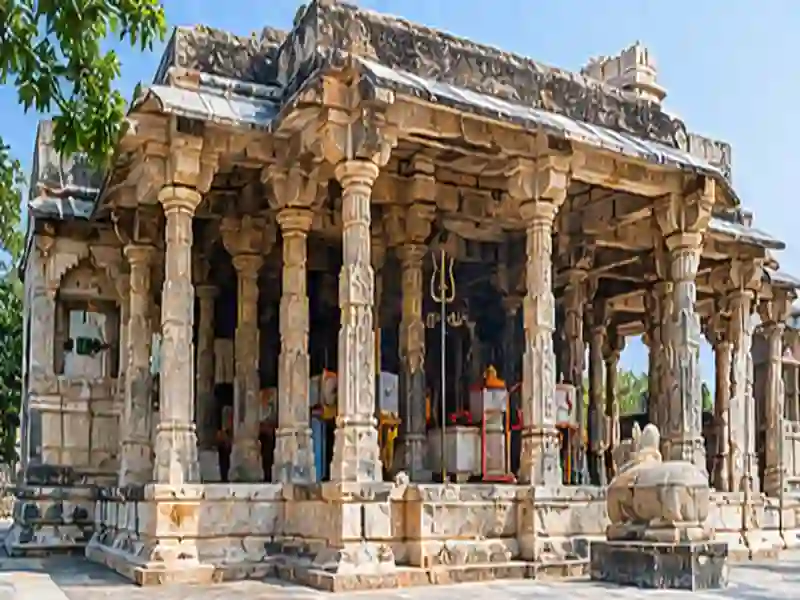
Located within Kumbhalgarh Fort, Neelkanth Mahadev Temple is one of the region's most important religious attractions.
Dedicated to Lord Shiva, the temple is known for its beautifully carved stone architecture and impressive Shiva Lingam.
The historic shrine features an open pillared hall and a distinctive architectural layout with entrances on multiple sides.
Visitors can explore the peaceful temple surroundings, admire traditional craftsmanship, and discover the religious heritage of the Mewar region.
The temple's location within the historic fortress makes it an important stop for travelers interested in combining spiritual sightseeing with architectural exploration.
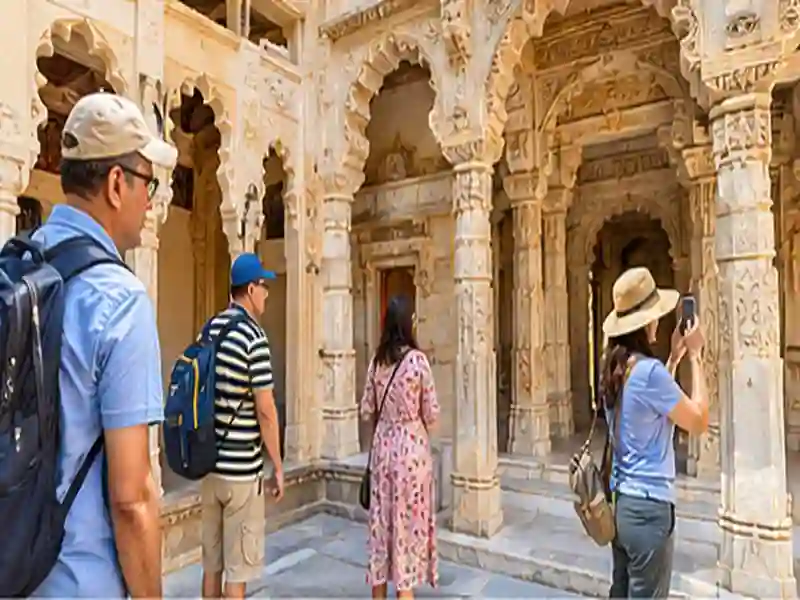
Kumbhalgarh Fort is home to numerous historic Hindu and Jain temples that reflect the region's diverse religious traditions.
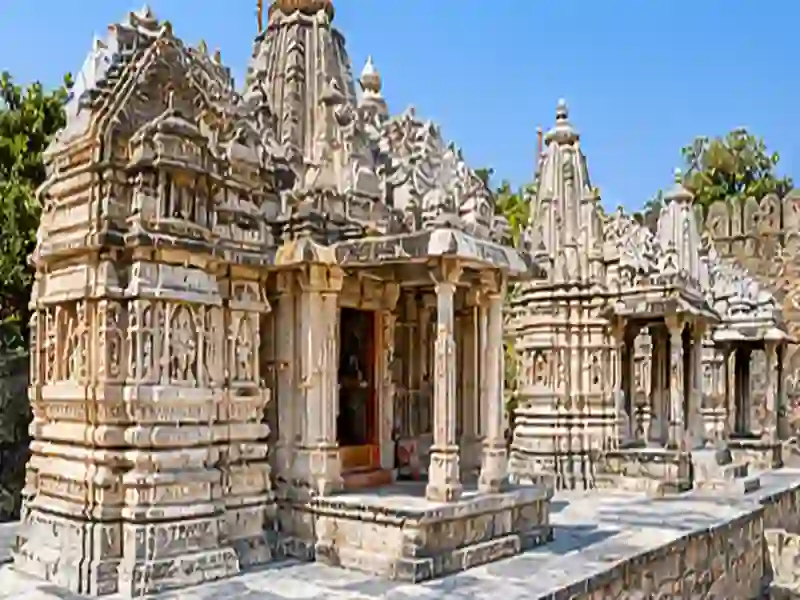
The Golerao Jain Temples form an important group of ancient shrines within the fort complex.
These temples are known for their intricately carved pillars, sculptures, and beautiful traditional architectural details.
Visitors can explore the peaceful surroundings and discover the artistic craftsmanship of the historic Mewar region.
Other religious landmarks include Vedi Temple, Mammadev Temple, and additional historic shrines scattered throughout the fortress.
Together, these temples add remarkable cultural and spiritual depth to the Kumbhalgarh experience.
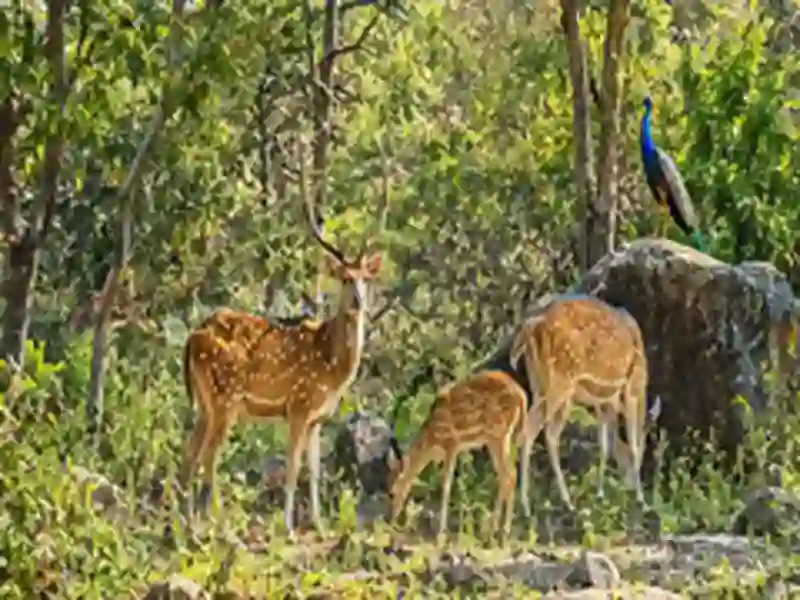
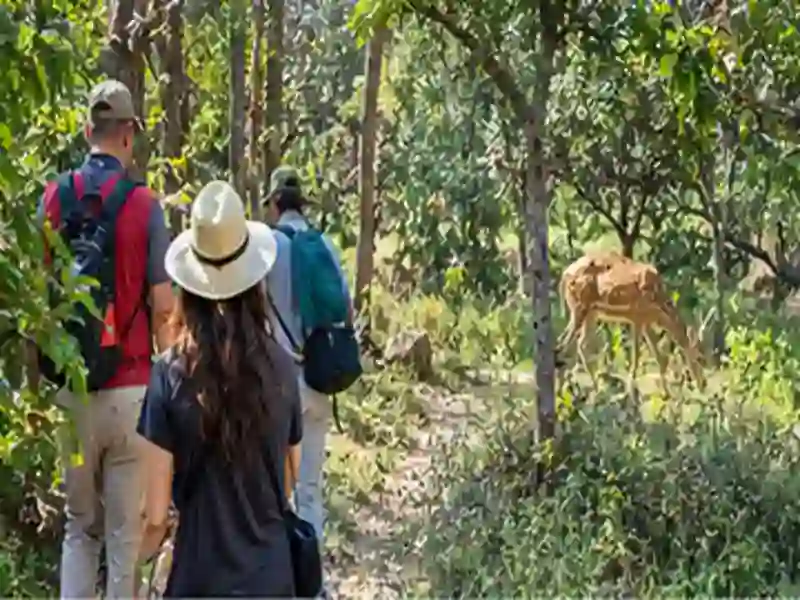
The beautiful Kumbhalgarh Wildlife Sanctuary surrounds the historic fort and extends across parts of the Aravalli mountain region.
The sanctuary is known for its rugged hills, dry deciduous forests, diverse vegetation, and rich wildlife.
Its natural habitats support animals such as leopards, wolves, sloth bears, hyenas, sambar deer, and various bird species.
Wildlife sightings depend on seasonal conditions, animal movement, and the availability of authorized safari routes.
Nature enthusiasts can explore permitted areas through organized wildlife experiences and guided excursions.
The sanctuary also offers opportunities for birdwatching, scenic photography, and discovering the natural beauty of Rajasthan's Aravalli landscapes.
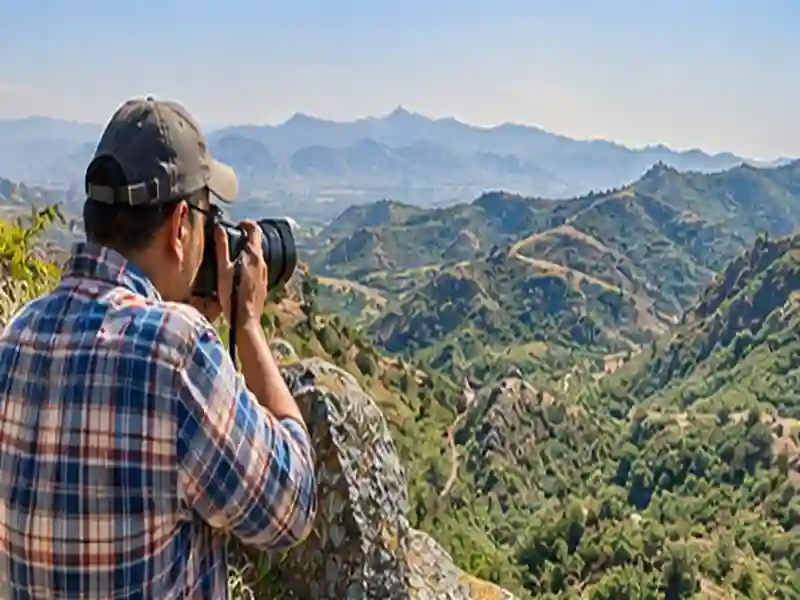
Kumbhalgarh is surrounded by spectacular mountain scenery, rocky ridges, forested valleys, and peaceful countryside landscapes.
The ancient Aravalli Hills create a beautiful natural setting for the historic fortress and surrounding attractions.
During the monsoon season, the hills become greener, while winter brings comfortable weather for outdoor sightseeing.
Visitors can admire beautiful sunrise and sunset views, explore designated walking routes, and capture memorable photographs of the rugged mountain surroundings.
The scenic landscape also makes Kumbhalgarh appealing for travelers seeking peaceful resort stays and relaxing countryside experiences.
Kumbhalgarh holds a special place in the history of Rajasthan because of its association with the rulers of Mewar.
The fortress was constructed under Rana Kumbha, one of the most influential rulers of the Mewar kingdom.
It also served as an important refuge during periods of political conflict.
Kumbhalgarh is particularly celebrated as the birthplace of Maharana Pratap, remembered for his resistance to Mughal expansion and his commitment to the independence of Mewar.
The fort's architecture, defensive structures, and historical monuments reflect the courage, military strategy, and cultural achievements of the Rajput rulers.
Exploring Kumbhalgarh provides visitors with an opportunity to discover this remarkable chapter of Rajasthan's history.
Kumbhalgarh offers opportunities to experience the traditional culture, warm hospitality, and regional cuisine of Rajasthan.
Visitors can explore local villages, discover traditional handicrafts, and learn about the cultural heritage of the Mewar region.
The surrounding countryside reflects traditional agricultural practices, rural lifestyles, and distinctive Rajasthani architecture.
Popular regional dishes include Dal Baati Churma, Gatte Ki Sabzi, Ker Sangri, Bajra Roti, and traditional Rajasthani thalis.
Travelers can enjoy these specialties at local restaurants and heritage-style accommodations.
Traditional music, cultural performances, and regional celebrations further enrich the destination's cultural appeal.
Kumbhalgarh is much more than a historic fortress. It is a destination where magnificent Rajput architecture, ancient temples, extraordinary defensive walls, beautiful mountain landscapes, and fascinating wildlife experiences come together.
From exploring the UNESCO-listed Kumbhalgarh Fort and admiring the panoramic views from Badal Mahal to visiting ancient temples and discovering the natural beauty of Kumbhalgarh Wildlife Sanctuary, the destination offers memorable experiences for different kinds of travelers.
Whether you are planning a heritage holiday, a romantic getaway, a family vacation, or a scenic Rajasthan road trip, visiting Kumbhalgarh provides an opportunity to discover one of the most impressive and historically significant destinations in India.

Explore more beautiful destinations in Rajasthan.
Explore more Kumbhalgarh and Rajasthan travel experiences.


Plan a memorable getaway with Travel Ride.
Helpful answers about Kumbhalgarh.
Voyagers can investigate Kumbhalgarh in the cold weather months that start in October to February. The climate as of now is agreeable and calming. This is likewise an ideal time as quite possibly one can spot wild creatures in the natural life safe-haven. One can even visit Kumbhalgarh in the storm that is from July to September as the tasty green vegetation of Kumbhalgarh is a characteristic marvel in the desert state of Rajasthan.
The wonderful Kumbhalgarh commends a 3-day celebration that is coordinated by the Department of Tourism of Rajasthan consistently in December at the Kumbhalgarh fortress. This celebration recognizes the commitment of Maharana Kumbh towards craftsmanship and culture. During this celebration, the Kumbhalgarh fortress is enlightened and decorated. One can even appreciate the sound and light shows that are directed at this celebration.
The closest air terminal is the Udaipur air terminal which is a ways off of about 85kms away from Kumbhalgarh. Kumbhalgarh doesn't have a railroad station. The closest rail line station to Kumbhalgarh is Udaipur a good distance of 85kms and Falna at 80kms away from Kumbhalgarh.
You can visit Kumbhalgarh Wildlife Sanctuary which includes the notable Kumbhalgarh Fort and is named after the fortification. It is home to 40 in number wolf packs that are once in a while found somewhere else. Appreciate jeep safari, horseback safari, and journeying here. One can even discover numerous Garasia and Bhils tribals that can be found here living in their conventional cabins. Visit the Badal Mahal which is the piece of the principal stronghold, likewise, investigate Mahadev sanctuary, Parshuram sanctuary is a cavern sanctuary that is revered by Lord Shiva.
Kumbhalgarh being a modest community doesn't have a lot of extensions for shopping. One can visit the closest objections for shopping at Udaipur, which is acclaimed for its smaller-than-expected artworks in Mughal and Rajput styles. Shopaholics can go for gems, manikins, earthenware, and stone-cut things that are magnificent gifts to reclaim home.
 Why Visit Rajasthan With Family
 The Vibrant Desert Festival of Jaisalmer
 Pushkar Mela -The Reflection of Rajasthani Culture
 Go through the glorious past of India with these Historical Destinations in India
 Have a dip in the Royal past of Rajasthan with these Magnificent Forts.