






Experience Sacred Ganga Aarti, Ancient Temples & the Spiritual Gateway to the Himalayas
Located along the banks of the sacred Ganga River at the foothills of the Shivalik Hills, Haridwar is one of India's most revered pilgrimage destinations, celebrated for its ancient temples, spiritual traditions, historic river ghats, and magnificent Ganga Aarti. Situated in Uttarakhand, where the Ganga enters the northern plains after flowing through the Himalayan region, Haridwar attracts pilgrims, families, spiritual seekers, and cultural travellers throughout the year. From witnessing the evening Ganga Aarti at Har Ki Pauri to seeking blessings at Mansa Devi and Chandi Devi temples, the city offers an unforgettable journey into the religious and cultural heritage of northern India.
Often described as the Gateway to the Gods, Haridwar holds a special place among India's sacred cities. Its name is traditionally interpreted as a gateway associated with Lord Vishnu and Lord Shiva, reflecting its importance in Hindu pilgrimage traditions.
The city is one of the four locations associated with the Kumbh Mela, a major religious gathering that attracts devotees from across India and around the world. Haridwar also serves as an important starting point for journeys towards the Char Dham shrines of Uttarakhand.
Unlike Rishikesh, which is widely recognised for yoga retreats and adventure activities, Haridwar's tourism identity is primarily shaped by sacred Ganga rituals, pilgrimage temples, traditional ashrams, and historic religious neighbourhoods.
Whether you are planning a short spiritual visit, a family pilgrimage, or a longer Uttarakhand holiday, Haridwar offers meaningful experiences rooted in centuries of faith, culture, and devotion.
Haridwar is one of the most important spiritual destinations in northern India, offering a remarkable combination of sacred riverfront experiences, revered Hindu temples, religious festivals, and traditional cultural attractions.
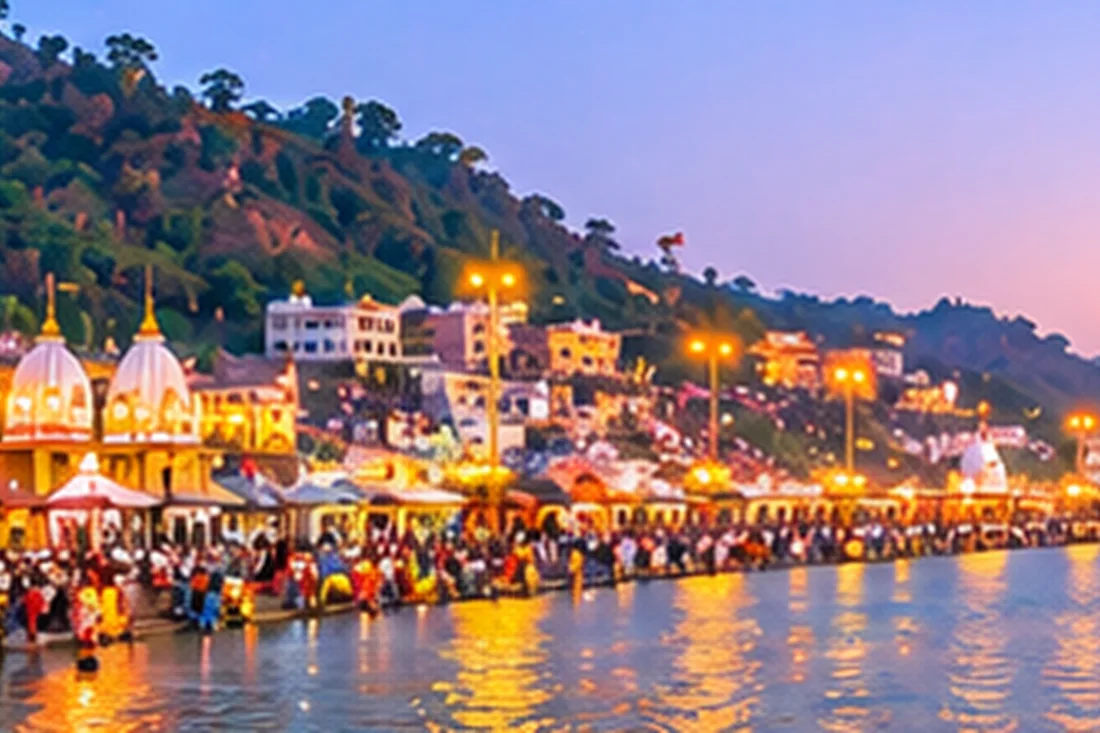
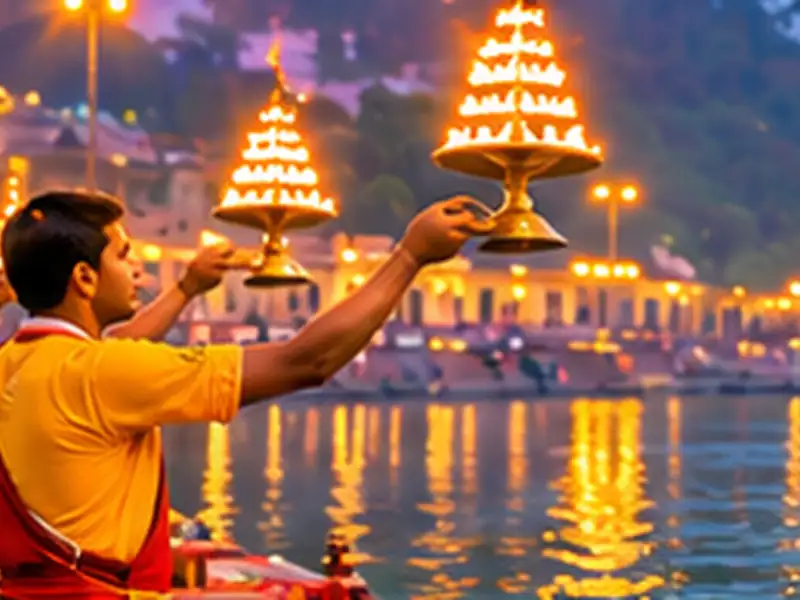
The city is especially famous for Har Ki Pauri, where devotees gather to offer prayers and witness the evening Ganga Aarti. The sight of illuminated lamps, the sound of devotional chanting, and the atmosphere of the riverfront make this ceremony one of Haridwar's most memorable experiences.
Visitors can also explore hilltop temples such as Mansa Devi and Chandi Devi, discover the religious significance of Maya Devi Temple, and visit historic sites associated with Hindu mythology in the Kankhal neighbourhood.
Beyond its temples, Haridwar offers traditional markets, vegetarian food experiences, peaceful ashrams, and opportunities to explore the surrounding Shivalik landscape.
The destination is particularly suitable for travellers who want to experience religious traditions while discovering the cultural heritage and everyday life of Uttarakhand's sacred Ganga city.
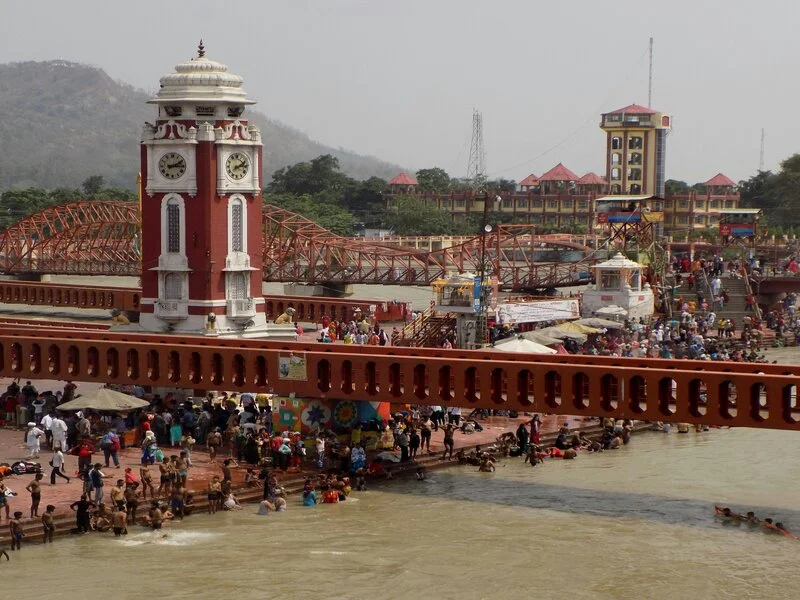
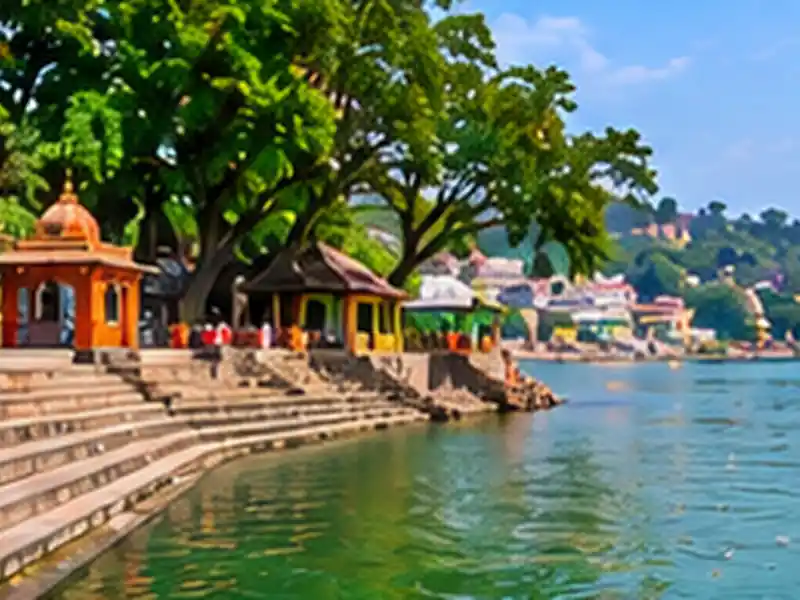
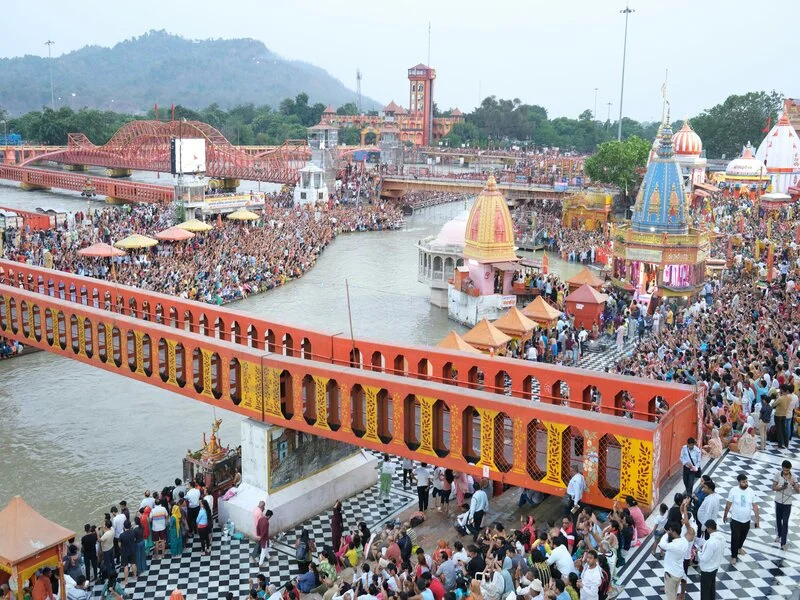
Har Ki Pauri is Haridwar's most famous religious landmark and one of the most sacred ghats along the Ganga River.
Located near the heart of the city, the ghat attracts thousands of devotees who come to offer prayers, perform traditional rituals, and experience the spiritual significance of the river.
According to Hindu tradition, Har Ki Pauri is associated with Lord Vishnu and the sacred Brahma Kund, one of the most revered sections of the riverfront.
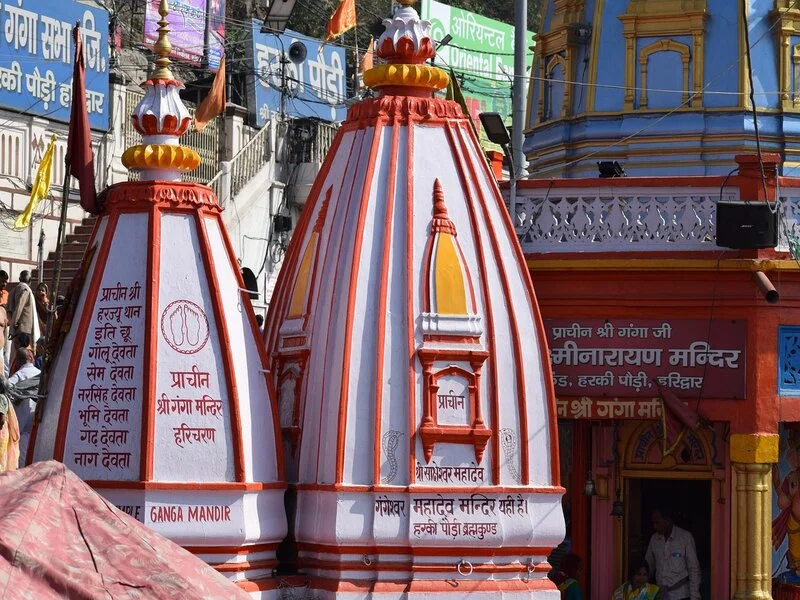
The ghat is surrounded by temples, traditional religious establishments, and lively market streets that reflect Haridwar's longstanding pilgrimage culture.
Visitors often arrive early in the morning to experience the peaceful atmosphere before the busiest pilgrimage hours.
The riverfront becomes especially vibrant during religious festivals, auspicious bathing dates, and major pilgrimage gatherings.
Har Ki Pauri is not simply a sightseeing attraction; it remains an active place of worship where religious ceremonies form an essential part of everyday life.
Travellers should respect local customs, keep the riverfront clean, and exercise caution near the water because currents can be strong.
The evening Ganga Aarti at Har Ki Pauri is among India's most recognised religious ceremonies.
Performed at the sacred riverfront, the aarti brings together priests, devotees, and visitors for a traditional ritual honouring the River Ganga.
As evening approaches, the atmosphere becomes filled with devotional hymns, temple bells, conch shells, and the warm glow of ceremonial lamps.
The reflections of the illuminated lamps across the flowing river create a memorable scene that attracts travellers interested in spirituality, culture, and photography.
The ceremony is traditionally organised through Shri Ganga Sabha, which is closely associated with the religious activities at Har Ki Pauri.
Morning aarti ceremonies are also observed, although the evening ritual is particularly popular among visitors.
Exact ceremony times change with sunrise, sunset, seasons, and local arrangements, so travellers should confirm the current schedule rather than relying on a fixed year-round time.
Visitors planning to attend should arrive early, especially during weekends, festivals, and busy pilgrimage periods.
The Ganga Aarti offers an opportunity to experience Haridwar's devotional traditions and understand the significance of the river in Hindu spiritual life.
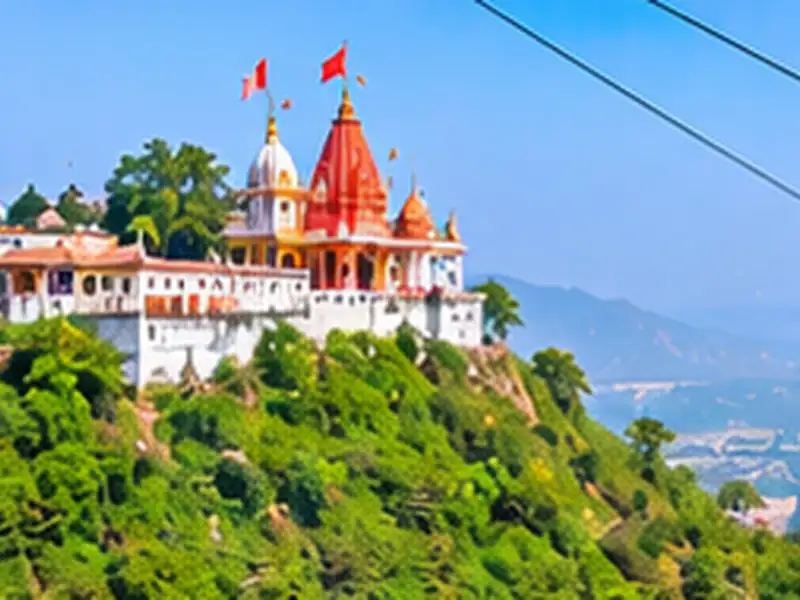
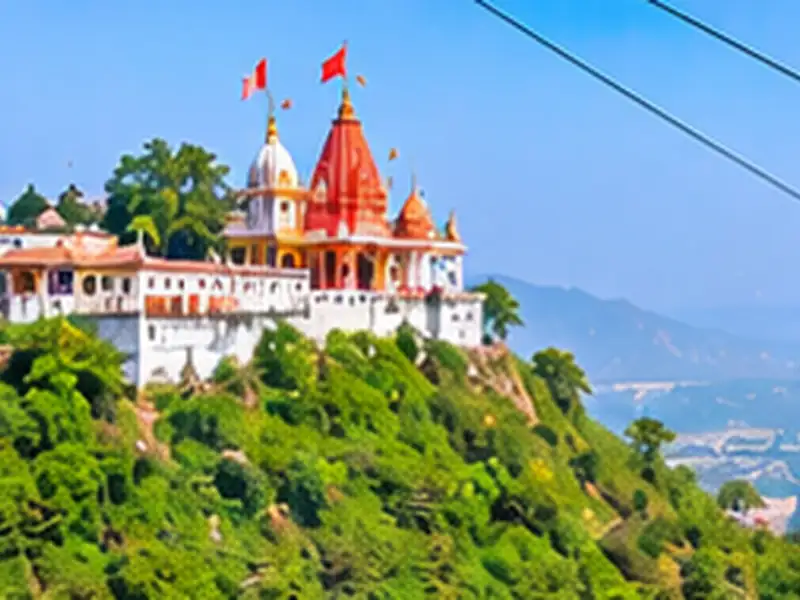
Mansa Devi Temple is one of Haridwar's most prominent pilgrimage attractions, situated on Bilwa Parvat in the Shivalik Hills.
Dedicated to Goddess Mansa Devi, the temple is regarded as an important Siddh Peeth and attracts devotees who pray for blessings and the fulfilment of their wishes.
The elevated location provides beautiful views of Haridwar, the Ganga River, and the surrounding landscape.
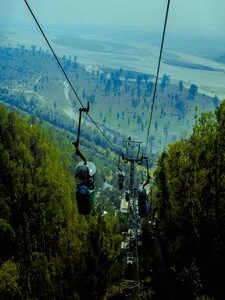
Visitors can reach the temple through a traditional uphill walking route or use the ropeway service commonly known as the Mansa Devi Udan Khatola.
The ropeway journey is popular among families and travellers who prefer to avoid a lengthy uphill walk, subject to operational conditions and ticket availability.
The temple attracts large numbers of pilgrims during Navratri and other religious occasions, when queues and waiting times can increase significantly.
Its spiritual importance and panoramic views make Mansa Devi Temple a rewarding destination for both devotees and visitors interested in the cultural landscape of Haridwar.
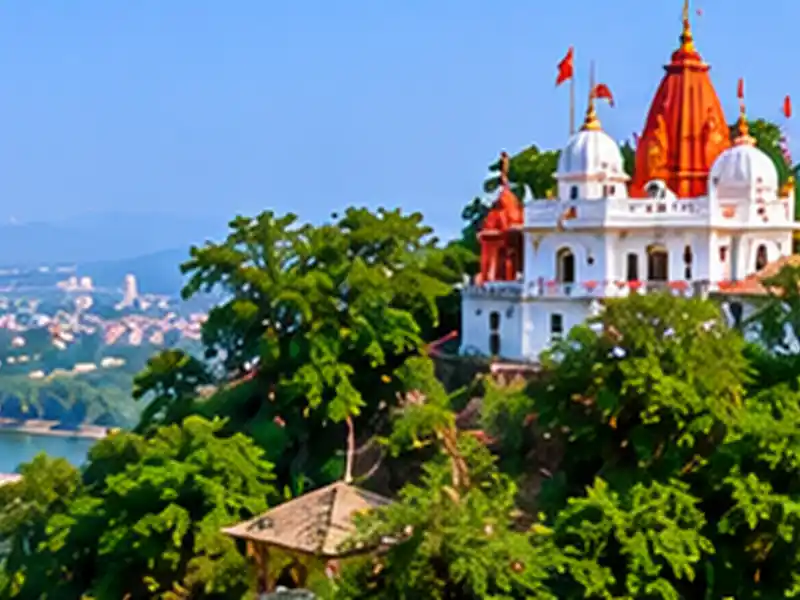
Chandi Devi Temple is another important religious landmark in Haridwar, located on Neel Parvat overlooking the surrounding region.
Dedicated to Goddess Chandi Devi, the temple is considered one of Haridwar's significant Siddh Peeth shrines.
The temple is associated with traditions surrounding Goddess Chandi's victory over powerful demons, making it an important site within Shakti worship.
Visitors can reach the shrine through an uphill pilgrimage path or by using an available ropeway service.
The journey offers beautiful views of the Shivalik Hills, forested landscapes, and parts of Haridwar.
Along with Mansa Devi and Maya Devi temples, Chandi Devi forms part of a traditionally revered group of three sacred goddess shrines.
The temple becomes particularly busy during Navratri and other auspicious religious periods.
Travellers should wear comfortable footwear, carry water, and check current ropeway operating arrangements before planning their visit.
The combination of religious significance and hilltop scenery makes Chandi Devi Temple an important part of Haridwar sightseeing.
Maya Devi Temple is among the historic religious landmarks that contribute to Haridwar's identity as an ancient pilgrimage centre.
Dedicated to Goddess Maya Devi, the temple is regarded by devotees as an important Shakti Peeth.
Its religious significance is connected with Hindu traditions concerning Goddess Sati and the sacred geography of Shakti worship.
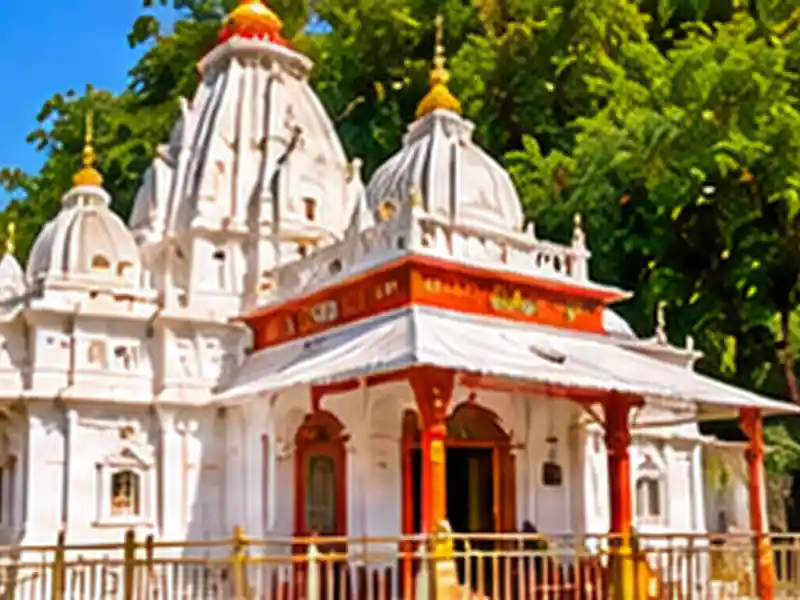
Unlike the hilltop shrines of Mansa Devi and Chandi Devi, Maya Devi Temple is located within the city, making it accessible as part of a central Haridwar sightseeing itinerary.
The temple's relatively traditional surroundings provide an opportunity to experience local devotional practices and religious customs.
Visitors can combine a visit to Maya Devi Temple with Har Ki Pauri, nearby markets, and other historic religious locations.
For pilgrims interested in the sacred goddess traditions of Haridwar, the temple adds an important spiritual dimension to the journey.
Kankhal is one of Haridwar's historically significant religious neighbourhoods, known for its traditional temples, old ashrams, and sacred associations with Hindu mythology.
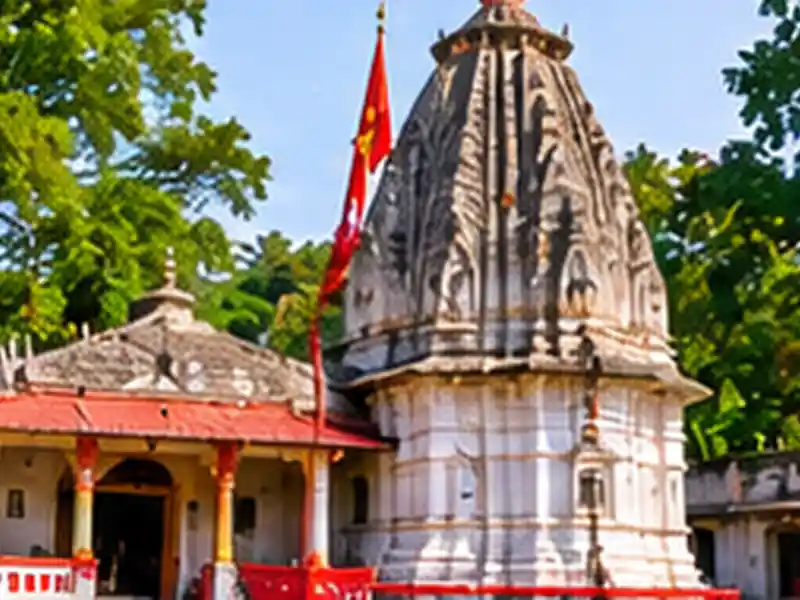
Daksh Mahadev Temple is the area's most prominent attraction, dedicated to Lord Shiva and connected with the story of King Daksha and Goddess Sati.
According to Hindu tradition, the site is associated with the yajna organised by Daksha Prajapati and the events surrounding Sati's sacrifice.
The temple attracts devotees throughout the year and becomes especially important during the sacred month of Shravan.
Visitors can explore the temple complex, experience its spiritual atmosphere, and learn about the religious traditions associated with the location.
Nearby Sati Kund is another sacred site linked with the same mythological narrative.
Kankhal offers a quieter experience compared with the busiest areas around Har Ki Pauri, making it suitable for travellers interested in traditional pilgrimage sites.
The neighbourhood is an important addition to a Haridwar itinerary for visitors seeking to explore the city's broader religious heritage.
Although Har Ki Pauri is the city's most famous riverfront location, Haridwar has several other ghats associated with religious ceremonies and local devotional traditions.
Vishnu Ghat, Gau Ghat, and Kushavarta Ghat are among the locations visited by pilgrims for prayers and traditional rituals.
Each ghat has its own religious associations, contributing to the wider sacred landscape of Haridwar.
Visitors can explore permitted riverside walking areas, observe daily devotional practices, and appreciate the atmosphere of the historic city.
Morning hours often provide quieter surroundings, while evenings bring increasing activity around the main pilgrimage routes.
The Ganga's currents can be strong, and water levels may change, particularly during the monsoon.
Travellers should use designated safe bathing areas where permitted, follow official instructions, and avoid entering deep or fast-flowing water.
The riverfront experience provides an opportunity to understand Haridwar's religious importance beyond its most popular tourist attractions.
Haridwar has a longstanding association with spiritual education, yoga, meditation, and traditional Indian knowledge systems.
The city and its surrounding areas contain several important ashrams and religious institutions that welcome visitors according to their individual programmes and rules.
Shantikunj, associated with the All World Gayatri Pariwar, is a prominent spiritual centre known for its educational and devotional activities.
Sapt Rishi Ashram is another significant landmark, associated with traditional stories concerning seven revered sages.
Other religious institutions, including Ma Anandamayi Ashram and selected traditional learning centres, contribute to Haridwar's spiritual identity.
Visitors interested in a peaceful experience can explore authorised ashram programmes, attend spiritual discourses, or learn about traditional meditation practices.
Some institutions also offer residential programmes, although participation and accommodation arrangements vary.
Travellers should confirm entry requirements, visiting hours, and programme schedules before arriving.
These ashrams provide a quieter perspective on Haridwar's spiritual life away from the busy markets and major river ghats.
Haridwar's location near the Shivalik Hills provides access to natural landscapes beyond the city's religious attractions.
Rajaji National Park, part of the wider Rajaji Tiger Reserve landscape, protects forests, grasslands, riverine habitats, and important wildlife populations.
The protected area is known for Asian elephants, deer, various bird species, and other animals associated with the Himalayan foothills.
Authorised wildlife safari experiences may be available through designated entry gates during the permitted tourism season.
Wildlife sightings depend on natural animal movements, weather, and habitat conditions, and cannot be guaranteed.
Travellers can also explore selected nature-oriented locations such as Neel Dhara Pakshi Vihar, which is associated with birdwatching opportunities near the river.
These experiences are particularly attractive for families, photographers, and visitors interested in combining spiritual tourism with nature exploration.
Safari access, routes, and seasonal opening arrangements should be confirmed through official forest authorities before travel.
Haridwar is one of the four sacred Indian cities associated with the Kumbh Mela, one of the world's largest religious gatherings.
The festival is connected with traditional Hindu beliefs surrounding sacred bathing and the spiritual significance of the Ganga.
Major Kumbh gatherings attract large numbers of pilgrims, religious leaders, and visitors, creating an extraordinary atmosphere of devotion and cultural participation.
Haridwar is also famous for the annual Kanwar Yatra during the Shravan period, generally falling in July or August.
During this pilgrimage, devotees of Lord Shiva travel to sacred Ganga locations to collect river water for religious offerings.
Navratri, Ganga Dussehra, Kartik Purnima, and other auspicious occasions are also important parts of the city's religious calendar.
These celebrations provide opportunities to experience Haridwar's traditions, but they can involve heavy crowds, traffic diversions, longer temple queues, and accommodation shortages.
Travellers should check official event dates and crowd-control arrangements before planning visits during major festivals.
Haridwar's traditional shopping streets are an important part of its cultural atmosphere.
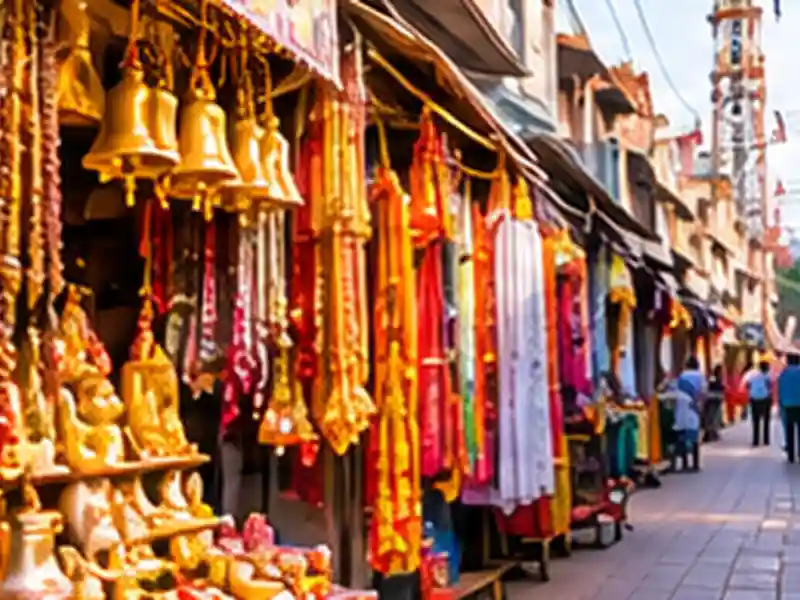
Moti Bazaar, located near the pilgrimage area, is one of the city's best-known markets, offering religious souvenirs, prayer beads, traditional clothing, brass items, and locally inspired products.
Bara Bazaar and other central shopping areas also provide opportunities to discover everyday local commerce and religious goods.
The streets around Har Ki Pauri contain numerous shops selling flowers, puja items, sweets, and devotional accessories.
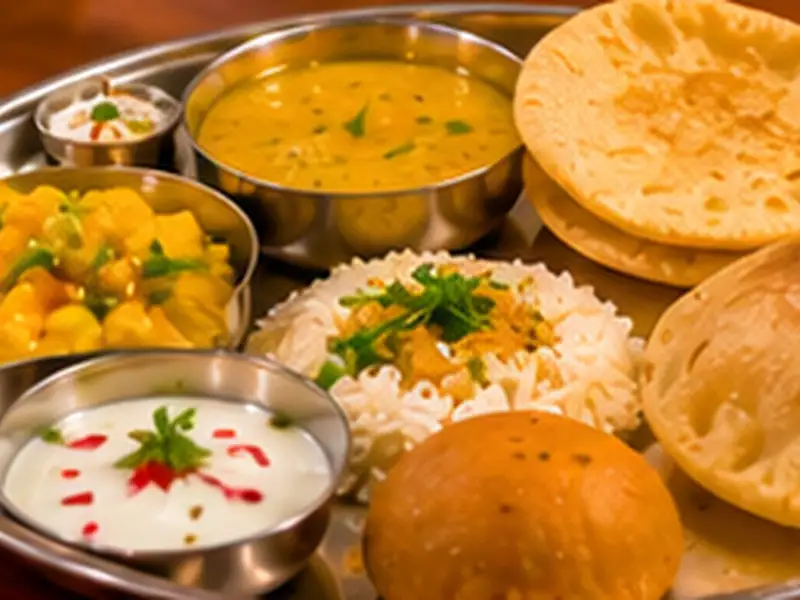
Haridwar is especially known for its vegetarian food culture, shaped by its religious traditions and pilgrimage identity.
Visitors can enjoy popular North Indian dishes such as aloo puri, kachori, chole, jalebi, and traditional Indian sweets.
Lassi and other refreshing beverages are popular during warmer months, while local eateries offer a variety of simple vegetarian meals.
Exploring the markets and food streets provides an opportunity to experience the city's everyday traditions beyond temple visits.
Haridwar serves as an important entry point for travellers exploring the sacred and scenic destinations of Uttarakhand.
The city is commonly included in itineraries covering the Char Dham pilgrimage shrines of Yamunotri, Gangotri, Kedarnath, and Badrinath.
Many pilgrims arrive in Haridwar by train or road before continuing towards Rishikesh and the mountain routes leading into the Garhwal Himalayas.
Haridwar also offers convenient access to nearby destinations such as Rishikesh, Dehradun, and selected hill stations in the region.
Travellers can combine a visit to Har Ki Pauri with a spiritual journey to Rishikesh or plan a longer pilgrimage towards the upper Himalayan shrines.
The Char Dham routes are seasonal, and travel conditions depend on weather, road accessibility, and official pilgrimage arrangements.
Haridwar's transport connections and religious significance make it a natural starting point for many Uttarakhand journeys.
Haridwar offers meaningful experiences for travellers with different interests.
Pilgrims can visit sacred temples, participate in Ganga rituals, attend evening aarti, and explore historic religious neighbourhoods.
Families can enjoy ropeway excursions to hilltop temples, discover traditional markets, and visit selected cultural attractions.
Senior travellers may prefer shorter sightseeing sessions, accommodation near convenient transport routes, and additional time for temple queues.
Cultural travellers can learn about the religious traditions of the Ganga, historic ashrams, local festivals, and traditional food.
Nature enthusiasts can explore authorised wildlife experiences in nearby protected areas and enjoy views of the Shivalik landscape.
The destination is especially rewarding for visitors seeking a spiritual journey combined with cultural discovery and comfortable sightseeing.
A one-to-two-day stay is generally suitable for exploring Haridwar's main attractions, including Har Ki Pauri, Mansa Devi Temple, Chandi Devi Temple, Maya Devi Temple, and Daksh Mahadev Temple.
Travellers interested in additional ashrams, traditional markets, nearby nature experiences, and a more relaxed pilgrimage may prefer two to three days.
October to March is generally a comfortable period for sightseeing, with cooler weather suitable for exploring temples, ghats, and traditional neighbourhoods.
April to June can become hot, especially during the afternoon, making early-morning temple visits and evening activities more comfortable.
July to September brings monsoon rainfall, higher river levels, and seasonal pilgrimage crowds, particularly during Kanwar Yatra.
December and January may bring chilly mornings and occasional fog, while October and November often offer comfortable post-monsoon conditions.
Visitors should plan their sightseeing around temple darshan hours, ropeway availability, and the evening Ganga Aarti schedule.
During festivals and auspicious bathing dates, central roads may have traffic restrictions, and walking distances can increase considerably.
Haridwar is well connected by rail and road to Delhi, Dehradun, Rishikesh, and other major destinations. Dehradun's Jolly Grant Airport provides the nearest convenient flight access.
With its sacred Ganga riverfront, revered hilltop temples, traditional spiritual institutions, historic festivals, and vibrant pilgrimage culture, Haridwar remains one of India's most meaningful destinations for religious and cultural travel.
Explore more beautiful destinations in Uttarakhand.
Explore more Haridwar and Uttarakhand travel experiences.


 Chardham Yatra From Haridwar
 Travel agent in Haridwar
 A Memorable Trip to Haridwar
 15 Best Ashram in Haridwar
 Ganga Aarti in Haridwar : A Magnificient experience of Ganga Aarti at Har Ki Pauri
 Haridwar Kumbh Mela
 12 Famous Temples in Haridwar
 Top 15 Places to visit in Haridwar
 15 Best Hotels to enjoy your Luxurious stay in Haridwar
Plan a memorable getaway with Travel Ride.
Helpful answers about Haridwar.
The best and ideal time to visit Haridwar is during winter when the climate becomes lovely that is from the period of October till February. If you need to go for profound and journey purposes, at that point you can visit in July during Kanwar or during the Diwali time in October month however in these months there is a Huge surge in Haridwar and traffic gets over-burden due to over vacationer appearance.
It is believed that Lord Vishnu and Lord Shiva visited Brahma Kund during the Vedic time frame. It is said that lord Vikramaditya built it, in memory of his sibling Bharthari who contemplated the bank of the Holy River Ganga. Each day, evening Ganga aarti is performed at this spot. Other than this numerous celebrations like Kumbh Mela, Ardh Kumbh, and Vaisakhi celebration of Sikh is praised here.
One can take a dip in the Holy water of River Ganga but only on the banks and on the designated areas. It is not allowed to go deep into the water as the waves are highly unpredictable and there is a huge risk of life.
Along with Haridwar, you can also explore some of the prominent attractions of Uttarakhand such as Rishikesh, Dehradun, and Mussoorie located at a distance of 20 km, 53km, and 83 km respectively.
You can take a direct flight from Indira Gandhi International Airport to Dehradun. Also, you can take a train journey from New Delhi Railway Station, Old Delhi Railway Station, or Hazrat Nizamuddin Railway Station to Haridwar or Rishikesh Railway station.
The weather in Haridwar remains blazing hot during the summer months, while during the months it remains clear and pleasant so it is advisable to visit Haridwar from October till April month.
This is a Mela coordinated at a regular interval of 12 years in Haridwar city. Alongside Haridwar, it is likewise celebrated in Nasik, Prayagraj, and Ujjain. At the point when Samudra Manthan was held, the drops of Amrit ( Holy water of Immortality) fell on these four spots while the Son of Indra was conveying it. A great number of devotees accumulate in this festival from around the world. Individuals take a plunge in the sacred water of Ganga in Brahma Kund to limit their wrongdoings and to get Moksha. Individuals light Diya and lamps to venerate this sacred waterway. It is a tremendous social event and one of the blessed customs in the Hindu religion.
Jolly Grant Airport (DED) is the nearest airport that is located in Dehradun at a distance of 43 km from Haridwar. Haridwar and Rishikesh Railway stations are the closest railway station to Haridwar.
Some of the prominent attractions that can be visited in Haridwar are Mansa Devi temple, Chandi Devi temple, Bharat Mata Mandir, Maya Devi Temple, Daksh Mahadev temple, Har-ki-Pauri, and Shri Chintamani Parswanath Jain temple. All the sightseeing in Haridwar can be completed in the period of 1 night and 2 days.