




Explore Snow-Capped Mountains, Scenic Valleys & Himalayan Adventures
Nestled in the picturesque Beas River Valley of Himachal Pradesh, Manali is one of India's most popular Himalayan destinations, celebrated for its snow-capped mountains, pine-covered forests, scenic valleys, and adventure activities. Located in the Kullu district, this charming hill station attracts honeymoon couples, families, adventure seekers, and nature lovers throughout the year. From peaceful riverside walks and traditional Himachali villages to thrilling mountain adventures and historic temples, Manali offers an unforgettable travel experience.
Surrounded by towering Himalayan peaks, Manali combines natural beauty with vibrant local culture. Visitors can explore the famous Solang Valley, admire the traditional architecture of Hadimba Devi Temple, discover the cafés of Old Manali, and experience the changing landscapes along the road towards Rohtang Pass. Whether you are planning a summer vacation, a romantic winter getaway, or a mountain adventure, Manali provides something memorable in every season.
Manali is more than just a hill station; it is a destination where Himalayan landscapes, traditional mountain culture, and outdoor adventures come together. Its location along the Beas River makes it an excellent base for exploring nearby valleys, alpine viewpoints, ancient temples, and picturesque villages.
The town offers a variety of travel experiences, from leisurely sightseeing around Mall Road to adventurous excursions into the surrounding mountains. Travellers can visit traditional wooden temples, experience local Himachali cuisine, enjoy mountain cafés, and discover breathtaking scenery along winding mountain roads.
Manali is also a major starting point for journeys towards Lahaul Valley and Ladakh, making it particularly attractive to road-trip enthusiasts and travellers interested in exploring the higher Himalayas.
One of the biggest attractions of Manali is its spectacular mountain scenery. The destination is surrounded by forested slopes, deep valleys, and snow-covered peaks that create beautiful landscapes throughout the year.
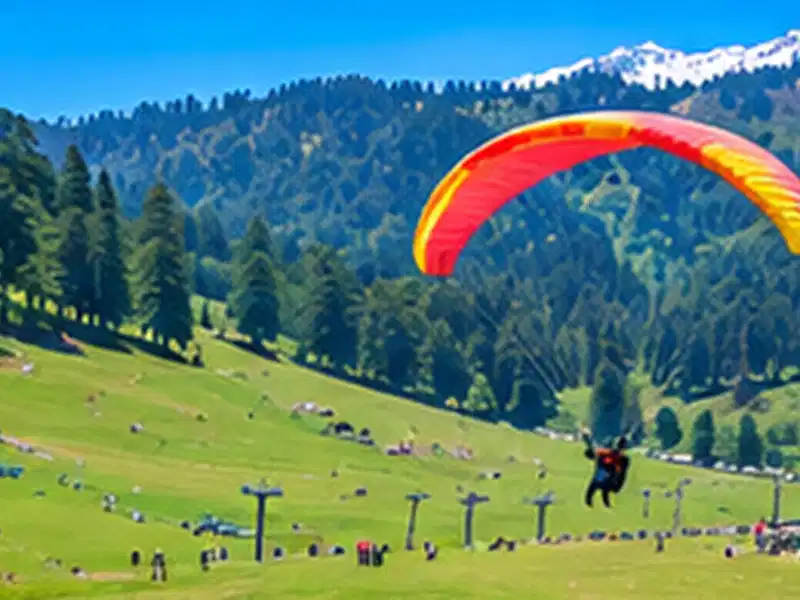
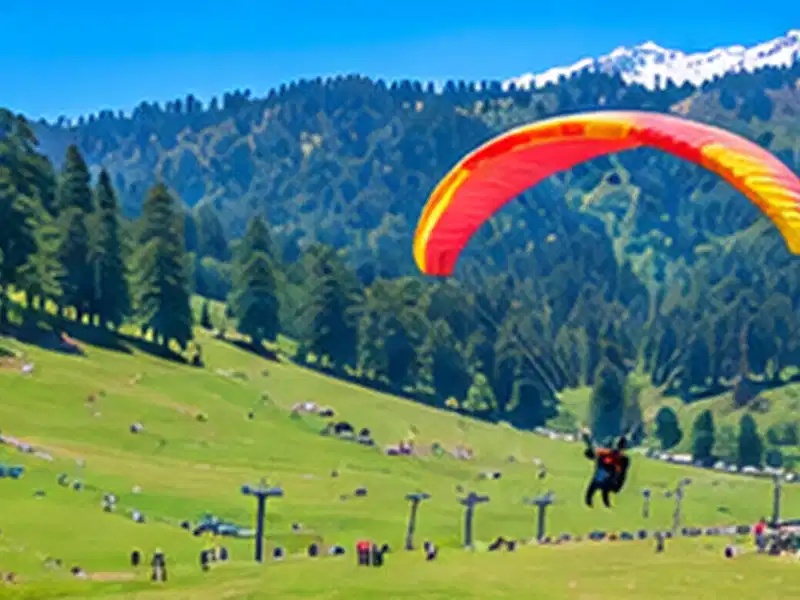
Solang Valley, located approximately 13 km from Manali, is famous for its expansive mountain views and seasonal adventure activities. During winter, snow transforms the surrounding slopes into popular areas for skiing and other snow-based experiences. In warmer months, visitors can enjoy paragliding, ropeway rides, and scenic outdoor excursions, depending on operating conditions.
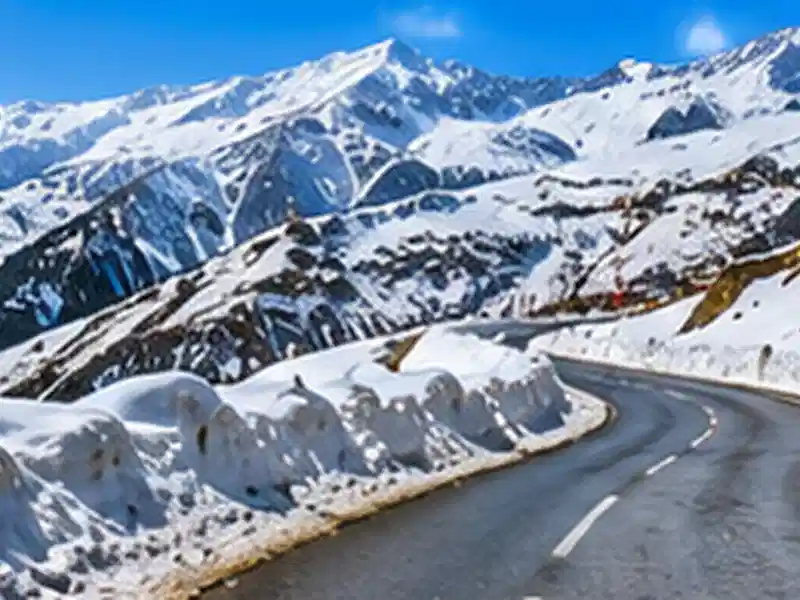
The route towards Rohtang Pass offers another remarkable Himalayan experience, with dramatic mountain scenery, waterfalls, and high-altitude landscapes. Access to Rohtang Pass is seasonal and regulated, so travellers should check road conditions and permit requirements before planning a visit.
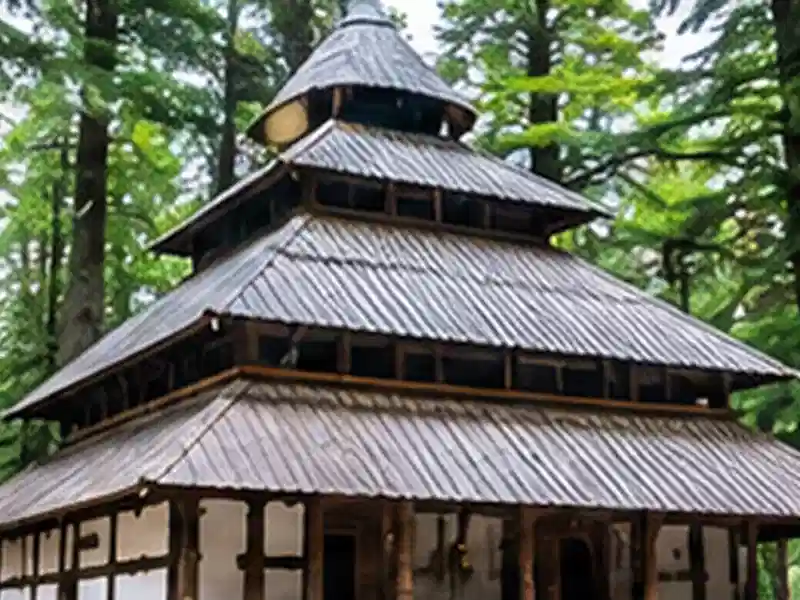
Manali has a rich cultural heritage reflected in its ancient temples, traditional wooden architecture, and local customs. Hadimba Devi Temple, surrounded by towering deodar trees, is one of the town's most important cultural landmarks.
Built in the 16th century, the temple is dedicated to Goddess Hadimba and is known for its distinctive multi-tiered wooden roof. Its forest setting makes it an important attraction for both pilgrims and architecture enthusiasts.
Other cultural landmarks include Manu Temple in Old Manali and Vashisht Temple, which is known for its religious significance and nearby natural hot springs.
Travellers can also visit traditional villages, explore local markets, and discover Himachali handicrafts, woollen clothing, and regional food.
Manali is widely recognised as one of India's leading destinations for Himalayan adventure activities. Its surrounding mountains, rivers, and valleys offer opportunities for trekking, paragliding, skiing, camping, and river rafting.
Solang Valley is particularly popular among adventure enthusiasts, with seasonal activities such as paragliding and skiing. Trekking routes around the region allow travellers to discover alpine meadows, forest trails, and spectacular mountain viewpoints.
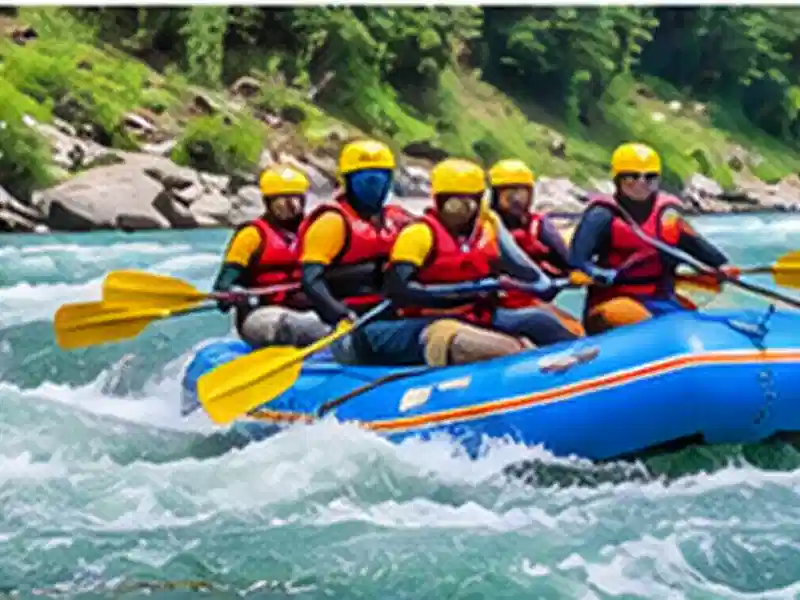
River rafting is another popular experience in the wider Kullu Valley, where suitable stretches of the Beas River are used for guided rafting activities during permitted operating periods.
For travellers who prefer less demanding activities, Manali also offers enjoyable forest walks, photography opportunities, and scenic drives through beautiful mountain landscapes.
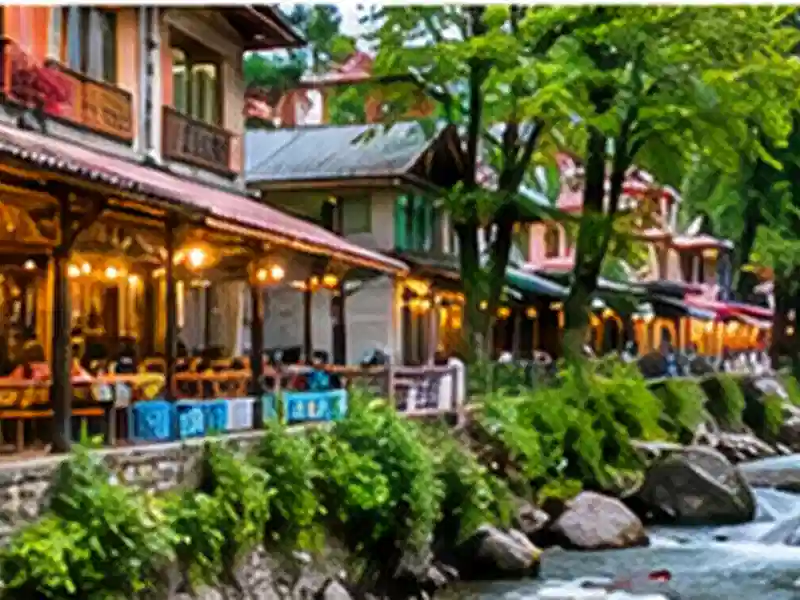
Old Manali offers a different atmosphere from the busy town centre. Known for its narrow streets, mountain cafés, traditional houses, and relaxed surroundings, the neighbourhood is popular among travellers seeking a slower Himalayan experience.
Visitors can explore the cafés around Old Manali, walk along quiet village paths, and admire views of the surrounding mountains. The Manalsu River and nearby forested areas add to the peaceful environment.
Mall Road is another important part of the Manali experience. This lively shopping area offers woollen clothing, souvenirs, traditional handicrafts, restaurants, and cafés.
Travellers interested in local cuisine can try regional dishes such as siddu, a traditional Himachali steamed bread, along with other mountain specialities available at local eateries.
Manali offers memorable experiences for different types of travellers. Honeymoon couples can enjoy romantic mountain views, cosy accommodation, scenic cafés, and peaceful walks through beautiful surroundings.
Families can explore popular tourist attractions such as Hadimba Devi Temple, Solang Valley, and Vashisht Village, while enjoying comfortable sightseeing experiences and short excursions.
Nature lovers can discover pine forests, riverside landscapes, alpine scenery, and beautiful mountain viewpoints. Adventure seekers can add trekking, skiing, paragliding, and other seasonal activities to their itineraries.
The variety of attractions makes Manali suitable for both short holidays and longer Himalayan journeys.
A three-to-four-day trip is generally suitable for exploring Manali's main attractions, including Hadimba Devi Temple, Old Manali, Solang Valley, and nearby sightseeing locations. Travellers planning excursions towards Rohtang Pass, Atal Tunnel, Sissu, or Naggar may prefer four to five days, depending on the weather and accessibility.
March to June is popular for pleasant sightseeing conditions and outdoor activities, while October and November offer refreshing autumn scenery. December to February attracts travellers interested in winter landscapes and the possibility of snowfall.
Visitors travelling during the monsoon should remain cautious about heavy rainfall, landslides, and road disruptions. Winter visitors should also check snowfall forecasts and mountain road accessibility before departure.
With its combination of spectacular natural landscapes, rich Himalayan heritage, outdoor adventures, and vibrant local experiences, Manali remains one of the most rewarding destinations for a mountain holiday in Himachal Pradesh.


Explore more beautiful destinations in Himachal.
Explore more Manali and Himachal travel experiences.


Plan a memorable getaway with Travel Ride.
Helpful answers about Manali.
Some of the prominent attractions of Darjeeling are the Kanchenjunga Mountains, Tiger Hill, Padmaja Naidu Himalayan Zoological Park, Himalayan Mountaineering Institute, Japanese Peace Pagoda, Tinchuley Village, Batasia Loop, Darjeeling Toy Train, Lamahatta, Mahakal Temple, etc.
The best time to visit Manali is the month from March to June and again from September to November. From June to September, this place experiences rainfall so the weather is not favorable to roam around. Summer is the best time to do activities like Trekking, rafting, paragliding, and camping in Manali. This destination is highly visited during the winter season to enjoy snow activity.
To further escape the humdrum of routine life one can backpack and go for trekking as Manali can be made a starting point for trekking expeditions to various important places on the mountain ranges. Want a gush of adrenalin to thrill you to the core then go in for adventure sports at Solang Valley on the way to Rohtang Pass. you can enjoy river rafting in Beas river, paragliding, Zorbing, Rappelling, etc.
If you are thinking of traveling by train then Northern Railway operates two narrow-gauge trains one Kalka-Shimla train which is considered an engineering feat and another narrow-gauge track from Pathankot to Jogindernagar. These trains are popular among tourists as ‘Toy trains’. Journeying by these trains is an exciting and thrilling experience as one encounters the bridges, tunnels, villages, and valleys en route. The landscape on the way is ecstatic.
Distance from Delhi: 535 Kms
Distance from Shimla: 251 Kms
Distance from Pathankot: 293 Kms
Distance from Amritsar: 399 Kms
Distance from Agra: 762 Kms
Distance from Chandigarh: 288 Kms
Distance from Rajasthan: 856 Kms
Distance from Mumbai: 1943 Kms
Distance from Kolkata: 2065 Kms
Distance from Bangalore: 2709 Kms
Distance from Chennai: 2741 Kms
The snow-covered slopes of PirPanjal and Dhauladhar ranges can be seen around Manali which enhances its scenic beauty giving a refreshing and unique experience to the beholder. Some of the magnificent attractions of Manali are Hidimba Devi Temple, Manu Temple, Rohtang Pass, Solang, Naggar, Vashisht Village, Gulaba, Manali Wildlife Sanctuary, Nehru Kund, Jagat Sukh village, The ManaliGompa, and Brighu lake.
One can opt to reach Manali by air then one should know that Bhuntar airport, also popular as Kullu-Manali airport, is the nearest airport situated at a distance of about 50 km from Manali. On reaching Bhuntar airport one can reach Manali by taxi or by bus, at one’s convenience.
Manali is a famous tourist destination for both the summer and winter seasons. In the Summer season, tourists can enjoy the calming and cool environment of Manali whereas in winter as it gets covered with snow tourists can enjoy various snow and adventure activities. Some places that can be explored around Manali are Solang Valley, Hampta Pass, Sethan, Bhrigu Lake, Deo Tibba, Gulaba, Naggar, Marhi, Patalsu Peak, Kullu, Great Himalayan National Park, Rohtang Pass, Parvati Valley, Kasol and many more.
Yes, you need to have a permit for visiting Rohtang pass, a permit is issued based on per vehicle and not per person. The permit is always issued on a first-come and first-serve basis. It can be issued on any day of the week on the Kullu Administration Website or at the SDM Office or Tourist Information Center.
 Prominant Attractions Of Manali To Make Your Trip Memorable
 River Rafting in Manali
 Best Places to Visit in Shimla And Manali
 5 Famous hill stations in Himachal Pradesh
 Tirthan Valley- The Hidden Gem of Himachal Pradesh