



Discover Three Seas, Spectacular Sunsets & Timeless Coastal Heritage
Located at the southern tip of mainland India, Kanyakumari is one of Tamil Nadu's most remarkable coastal destinations, famous for its spectacular sunrise and sunset views, sacred temples, historic memorials, and the symbolic meeting of the Arabian Sea, Bay of Bengal, and Indian Ocean. Also known as Kanniyakumari or Cape Comorin, this beautiful seaside town offers a fascinating combination of natural scenery, spiritual traditions, cultural heritage, and memorable coastal experiences.
Surrounded by the vast waters of the Indian Ocean region, Kanyakumari attracts pilgrims, families, couples, photographers, and travellers exploring the southernmost part of the Indian subcontinent. Its rocky shoreline, colourful fishing boats, ancient religious landmarks, and monumental offshore structures create a distinctive atmosphere unlike any other destination in Tamil Nadu.
From the iconic Vivekananda Rock Memorial and towering Thiruvalluvar Statue to the sacred Bhagavathy Amman Temple and peaceful Gandhi Memorial, Kanyakumari offers meaningful experiences for travellers interested in history, spirituality, and coastal landscapes.
Whether you are planning a short sightseeing trip, a spiritual journey, or a longer South India holiday, Kanyakumari provides an unforgettable opportunity to experience the cultural and geographical significance of India's southern peninsula.
Kanyakumari is a destination where geographical beauty, spiritual significance, and historic landmarks come together. Its location at the southern end of mainland India makes it particularly special, attracting visitors who want to witness the vast ocean horizon and explore one of the country's most recognisable coastal landscapes.
The town is best known for its sunrise and sunset viewpoints, where travellers gather to watch the changing colours of the sky above the sea. The offshore Vivekananda Rock Memorial and Thiruvalluvar Statue add a remarkable architectural dimension to the coastline.
Kanyakumari also offers opportunities to explore ancient temples, learn about India's spiritual thinkers, discover local Tamil traditions, and experience the everyday life of a coastal community.
Beyond the main waterfront, visitors can explore beautiful attractions throughout Kanyakumari district, including historic forts, traditional palaces, scenic waterfalls, and peaceful beaches.
One of Kanyakumari's most famous geographical features is its position near the meeting of the Arabian Sea, Bay of Bengal, and Indian Ocean. This symbolic confluence gives the town an important place in India's coastal geography and attracts visitors throughout the year.
The coastline offers wide ocean views, rocky stretches, and beautiful settings for photography. During suitable weather, visitors can enjoy watching the waves approach the shore from different directions while appreciating the vast horizon.
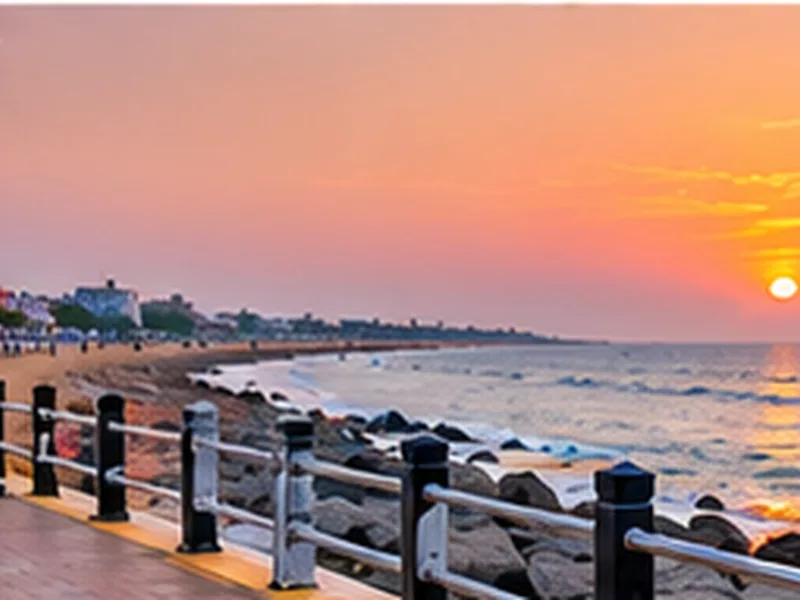
Kanyakumari Beach and the nearby sunrise viewpoint are popular places to experience this coastal scenery. Early mornings often provide a peaceful atmosphere, while evenings attract visitors hoping to witness dramatic sunset colours.
Although the meeting of the three seas is often described as a place where differently coloured waters can be seen, this is not a reliable year-round phenomenon. The appearance of the sea varies with sunlight, waves, sediment, and weather conditions.
The area's natural beauty and geographical significance make it one of the most memorable coastal destinations in southern India.
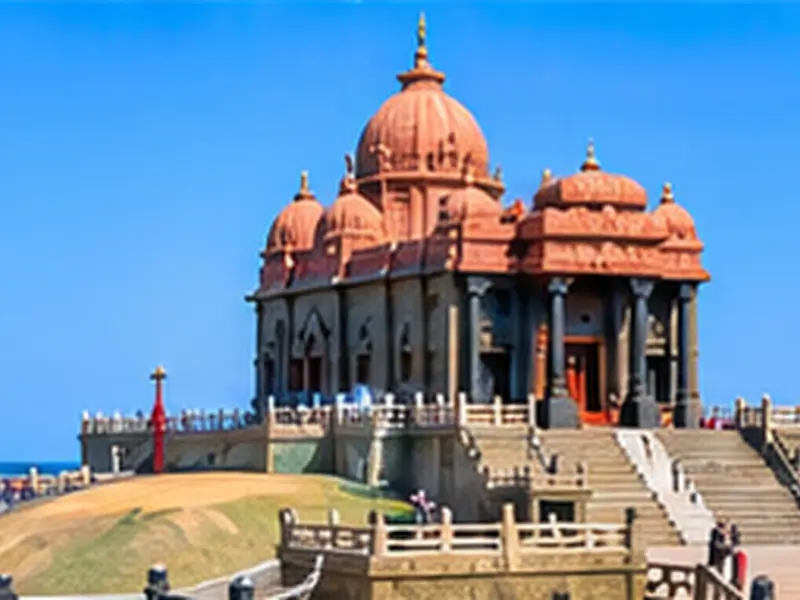
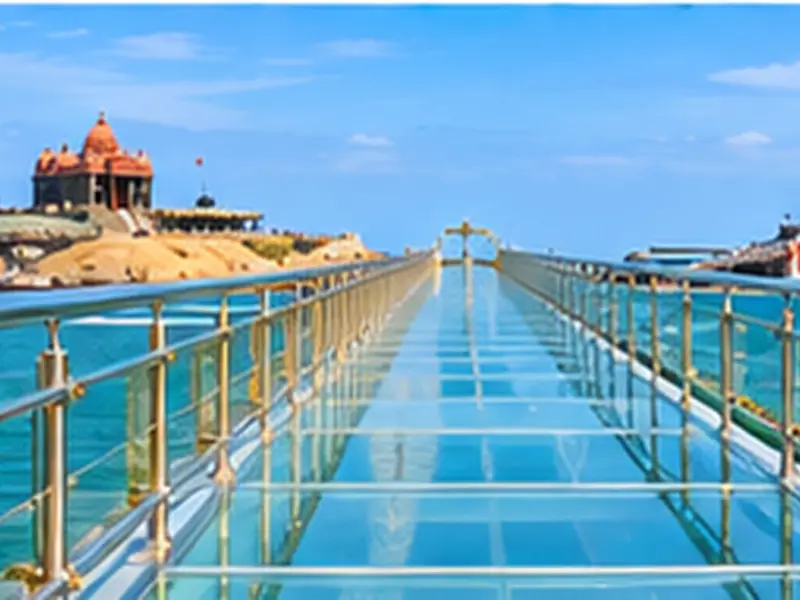
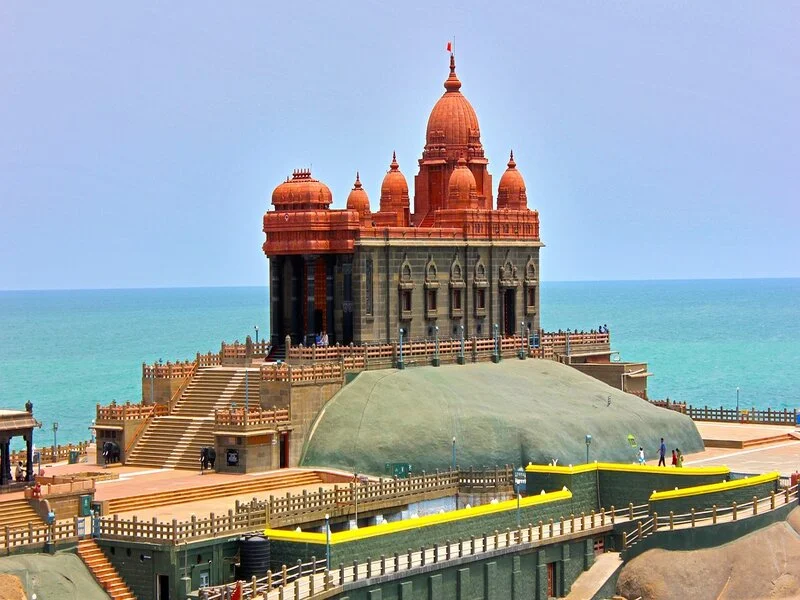
Vivekananda Rock Memorial is one of Kanyakumari's most important landmarks. Situated on a rocky island offshore, the memorial commemorates Swami Vivekananda's visit to the region and his period of meditation in December 1892.
The memorial was inaugurated in 1970 and features architectural elements inspired by different Indian traditions. Its principal structures include Vivekananda Mandapam and Shripada Mandapam, which hold spiritual and historical significance.
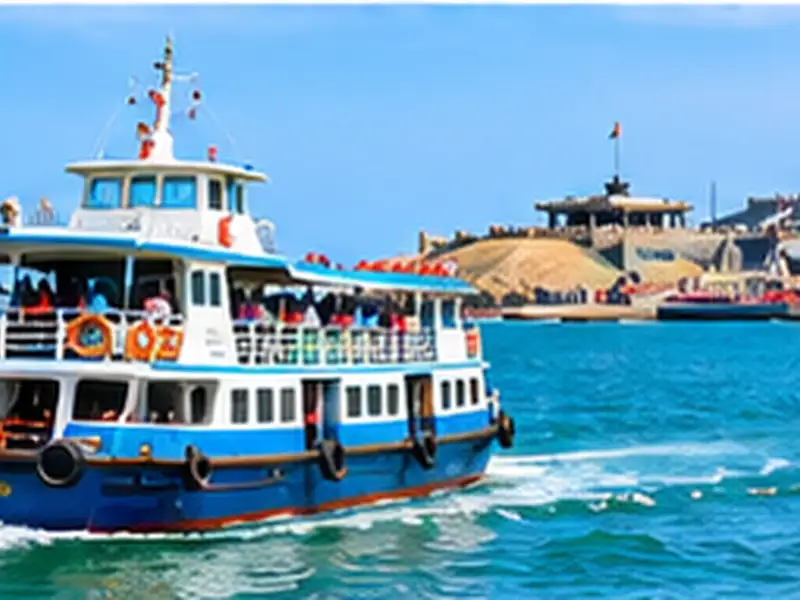
Visitors reach the memorial through an authorised ferry service from the mainland, enjoying beautiful ocean views during the journey. The island's peaceful surroundings and dedicated meditation space offer an opportunity for quiet reflection.
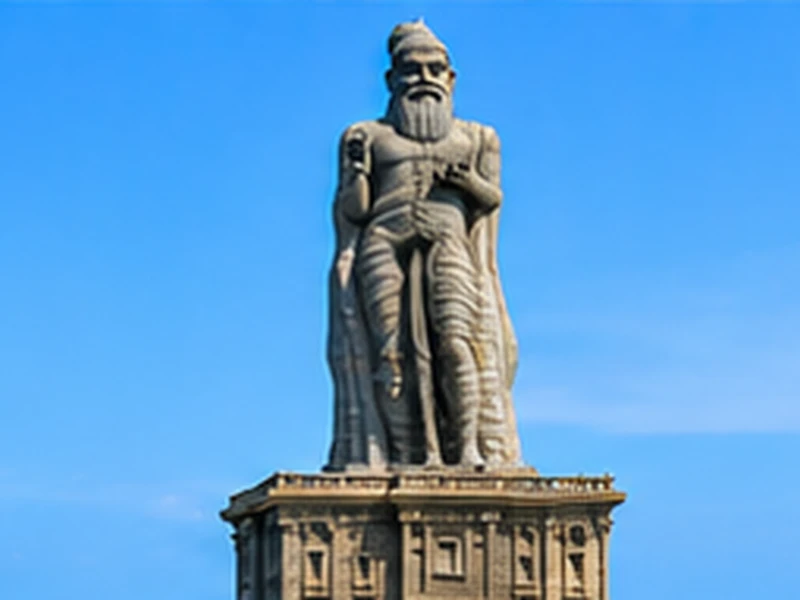
Close to the memorial stands the magnificent Thiruvalluvar Statue, a 133-foot monument dedicated to the renowned Tamil poet and philosopher Thiruvalluvar, author of the Tirukkural.
These two landmarks represent an important combination of spiritual philosophy, Tamil literary heritage, and modern monumental architecture.
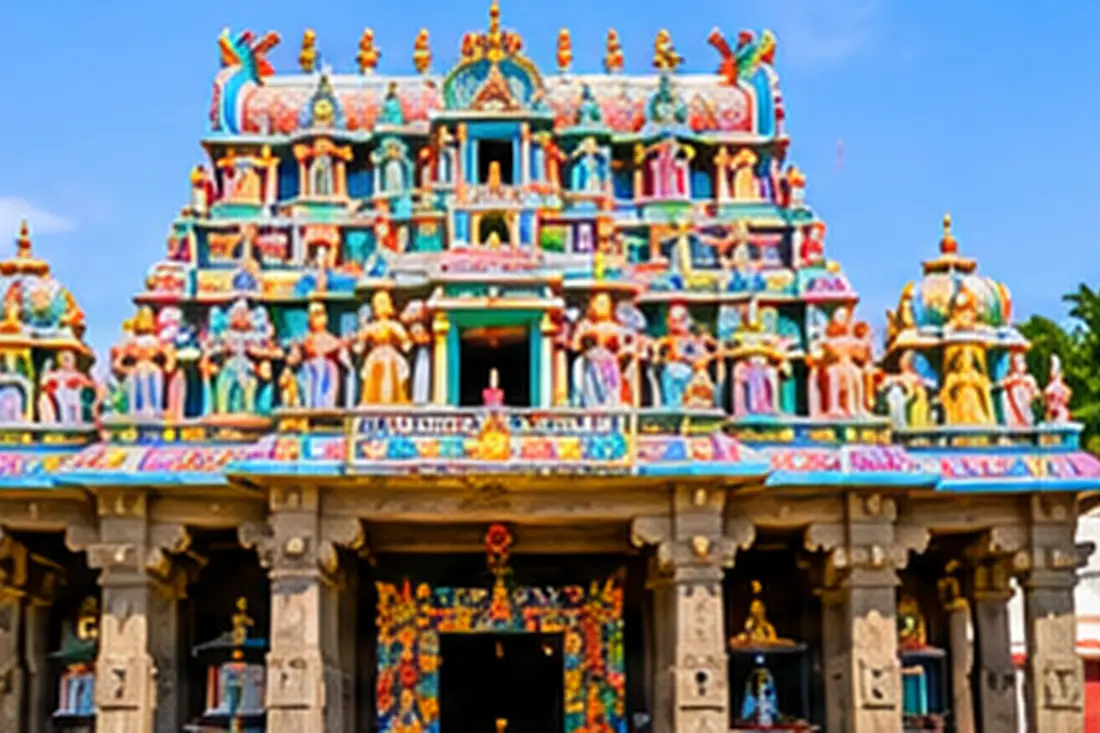
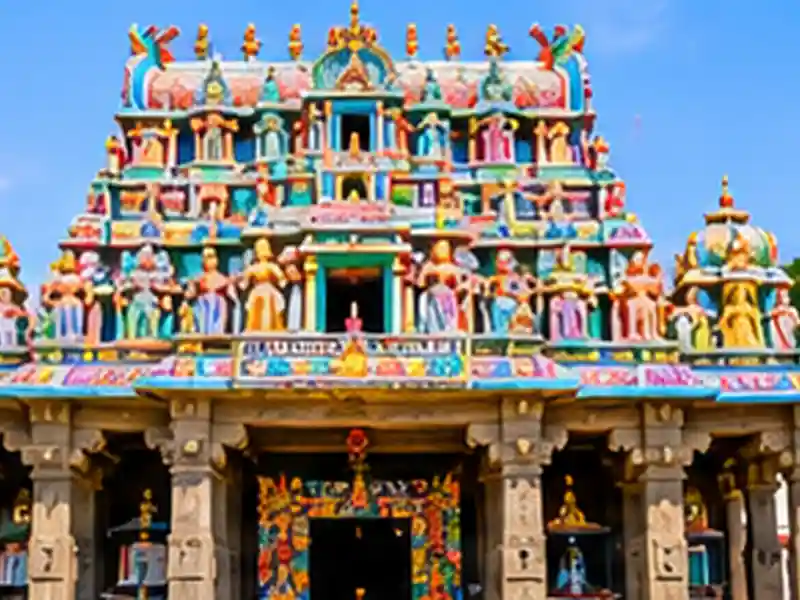
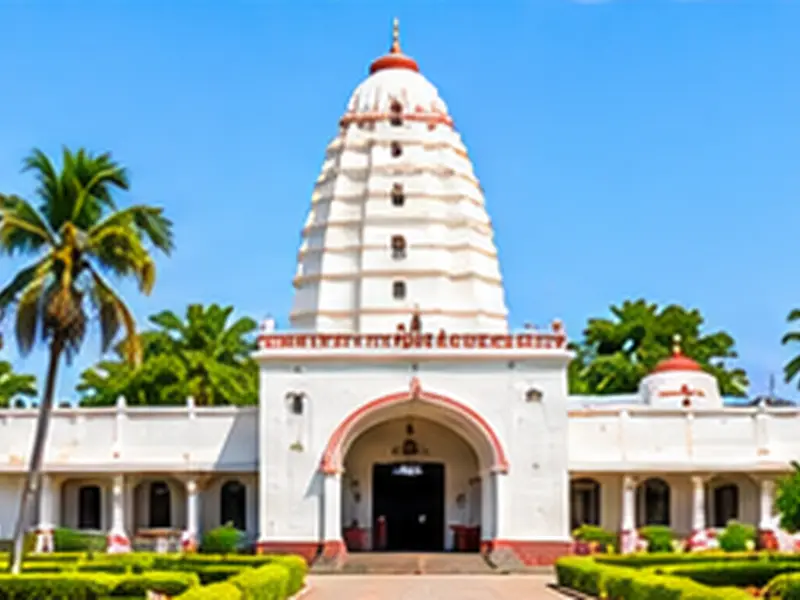
Kanyakumari derives its name from Goddess Kanya Kumari, who is worshipped as a youthful form of the Divine Mother. The Bhagavathy Amman Temple, also known as Kumari Amman Temple, is among the town's most significant pilgrimage destinations.
Located near the coastline, the temple holds an important place in Hindu religious traditions and attracts devotees from across India.
The temple is known for its spiritual atmosphere, traditional rituals, and association with legends surrounding the goddess. Visitors can admire its historic architecture and experience the cultural importance of religious worship in Tamil Nadu.
Beyond the main town, travellers interested in temple architecture can visit Suchindram Thanumalayan Temple, which is celebrated for its beautifully carved pillars and distinctive religious traditions.
These sacred landmarks make Kanyakumari a meaningful destination for pilgrims and cultural travellers alike.
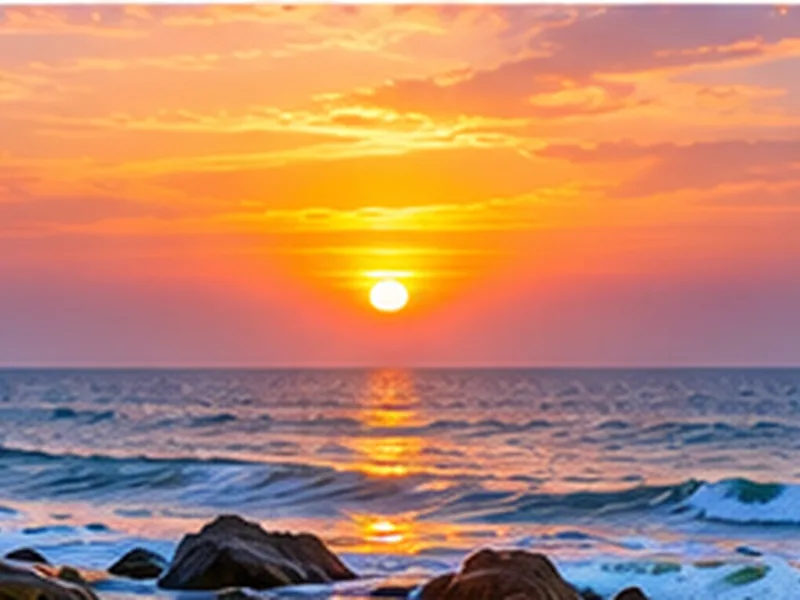
Watching the sunrise and sunset is one of the most memorable experiences in Kanyakumari. The town's coastal position offers expansive views of the horizon, attracting photographers and nature lovers throughout the year.
Sunrise Point, near Kanyakumari Beach, is particularly popular among visitors who arrive early to watch the first sunlight illuminate the ocean and offshore monuments.
In the evening, travellers can visit designated sunset viewpoints to admire the changing colours of the sky as daylight fades over the sea.
Under favourable seasonal and weather conditions, Kanyakumari can offer opportunities to observe both sunrise and sunset over the water from suitable viewpoints.
The sight of the Vivekananda Rock Memorial and Thiruvalluvar Statue against the coastal skyline creates especially memorable photography opportunities.
Cloud cover, seasonal changes in the sun's position, and weather conditions can affect visibility, so travellers should plan their viewing times according to local sunrise and sunset schedules.
Kanyakumari is home to several important monuments that reflect India's historical, philosophical, and cultural traditions.
Gandhi Memorial, also known as Gandhi Mandapam, commemorates Mahatma Gandhi and marks the location where his ashes were kept before their immersion in the sea.
The memorial features distinctive architectural elements and remains an important place for visitors interested in India's independence movement.
The Kamarajar Memorial honours K. Kamaraj, the influential political leader and former Chief Minister of Tamil Nadu, whose contribution to education and public life is widely remembered.
The Thiruvalluvar Statue is another major cultural landmark. Its height of 133 feet symbolises the 133 chapters of the Tirukkural, highlighting the literary and philosophical legacy of Tamil Nadu.
Visitors can also explore traditional markets, discover local handicrafts, and learn about the region's fishing communities and coastal lifestyle.
Together, these attractions reveal a destination shaped by faith, history, literature, and regional identity.
Beyond Kanyakumari's popular seafront attractions, the surrounding district offers a diverse landscape of beaches, green hills, waterfalls, and historic sites.
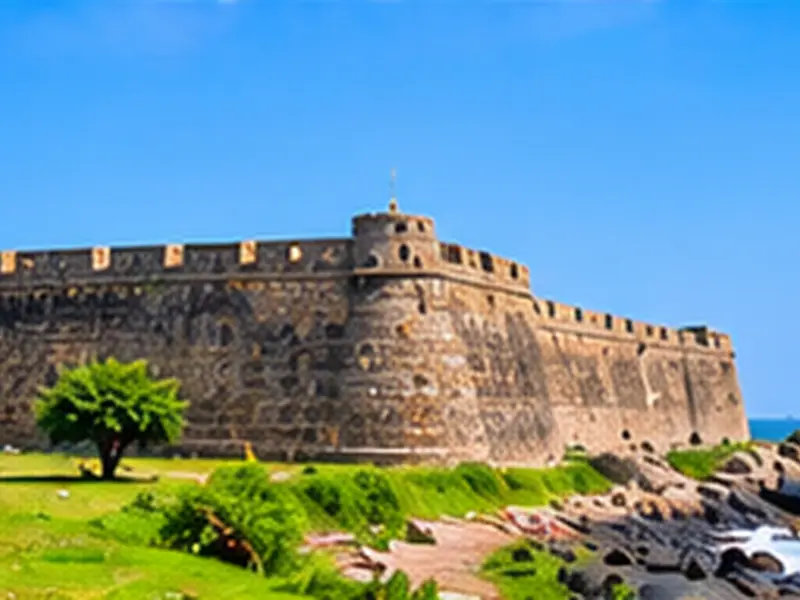
Vattakottai Fort, situated along the coast near Kanyakumari, provides an interesting combination of historic architecture and sea views. Its stone ramparts and coastal location make it an enjoyable attraction for heritage sightseeing and photography.
Travellers can also visit Padmanabhapuram Palace, a remarkable example of traditional wooden palace architecture associated with the former Travancore kingdom.
Thirparappu Falls offers a different natural experience, with flowing water, rocky surroundings, and lush vegetation. Waterfall conditions vary depending on rainfall and seasonal water flow.
Other nearby attractions include Suchindram Temple and the scenic countryside surrounding Nagercoil.
These excursions make Kanyakumari suitable for travellers who want to explore more than the famous southern coastline.
Kanyakumari's location near the Tamil Nadu–Kerala border influences its food traditions, language, and everyday culture.
Visitors can enjoy authentic South Indian dishes such as dosa, idli, appam, puttu, and traditional meals served with regional curries and accompaniments.
Fresh seafood is also an important part of the local coastal cuisine, with fish curries and other regional preparations available at selected restaurants.
The markets near the main tourist area sell souvenirs, seashell-inspired decorative items, traditional accessories, and locally produced goods.
Exploring the waterfront markets offers visitors a glimpse into the town's lively atmosphere, particularly during the evening when tourists gather around the seafront.
Travellers interested in local culture can also observe traditional fishing activities from safe public areas and discover how the sea influences daily life in the region.
Kanyakumari offers a balanced travel experience for different types of visitors.
Families can explore historic memorials, enjoy coastal sightseeing, take ferry rides, and learn about the cultural significance of India's southernmost mainland region.
Couples can appreciate scenic ocean views, colourful sunsets, peaceful coastal walks, and memorable photography locations.
Pilgrims can visit Bhagavathy Amman Temple and nearby religious landmarks, while history enthusiasts can explore monuments dedicated to Swami Vivekananda, Mahatma Gandhi, and Thiruvalluvar.
Nature lovers can enjoy the changing colours of the coastline, visit nearby beaches, and explore the green landscapes surrounding Kanyakumari district.
The destination is particularly suitable for travellers seeking a combination of relaxation, spirituality, and meaningful sightseeing.
A one-to-two-day visit is generally sufficient to explore Kanyakumari's major attractions, including Vivekananda Rock Memorial, Thiruvalluvar Statue, Bhagavathy Amman Temple, Gandhi Memorial, and the famous sunrise and sunset viewpoints.
Travellers planning additional excursions to Padmanabhapuram Palace, Suchindram Temple, Vattakottai Fort, or Thirparappu Falls may prefer two to three days.
December to February is generally the most comfortable period for sightseeing, with comparatively pleasant temperatures and less intense daytime heat. March to May can be hot and humid, while June to September brings southwest monsoon rainfall.
October and November are also important rainy months because the region receives rainfall from the northeast monsoon. Visitors planning ferry rides should check sea conditions, as rough weather can affect services to Vivekananda Rock Memorial.
Kanyakumari is connected by rail and road to major destinations in southern India. Thiruvananthapuram International Airport is the most convenient major airport for many travellers arriving by air.
With its remarkable coastal geography, sacred temples, magnificent memorials, historic landmarks, and spectacular ocean views, Kanyakumari offers a distinctive journey through the natural and cultural heritage of southern India.

Explore more beautiful destinations in Tamil Nadu.
Explore more Kanyakumari and Tamil Nadu travel experiences.

 14 Best Places to Visit in India – Top Tourist Destinations
 The four Hindu Pilgrimage Sites in the Four Corners of India
 19 Famous Temples in India
 Top Tourism destinations for your next trip to India
 Go through the glorious past of India with these Historical Destinations in India
 10 Most Celebrated Festivals in South India
Plan a memorable getaway with Travel Ride.
Helpful answers about Kanyakumari.