
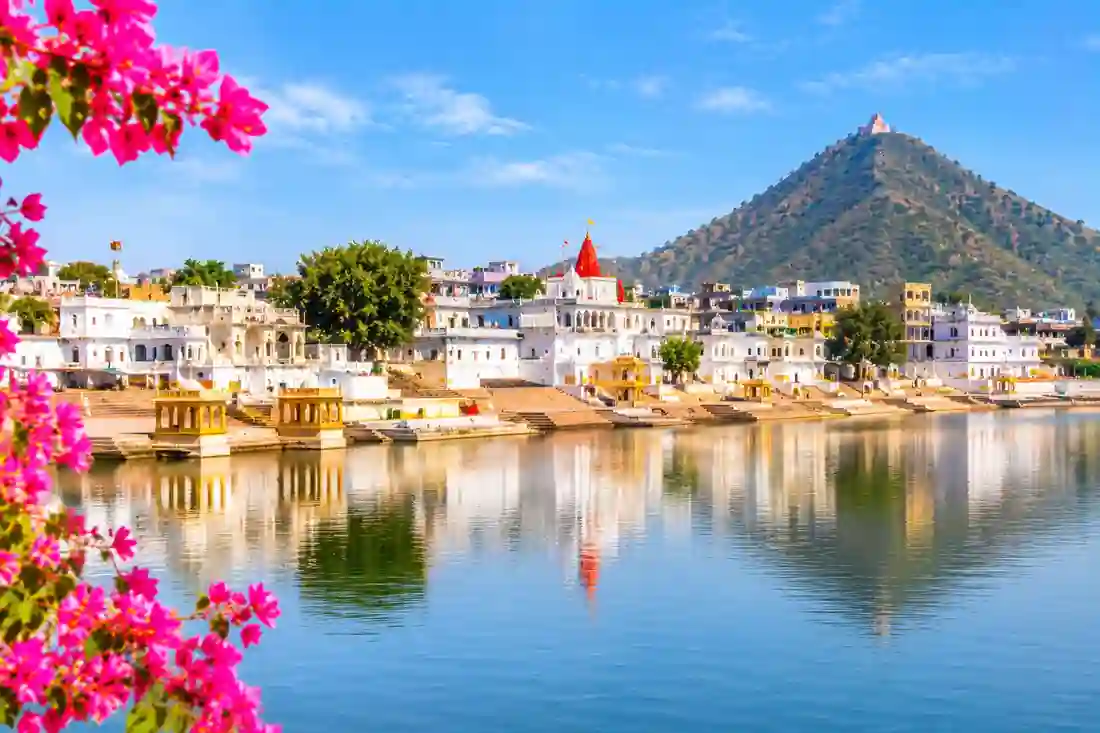




Explore Majestic Forts, Royal Palaces & the Timeless Charm of the Pink City
Jaipur, the vibrant capital of Rajasthan, is one of India's most fascinating heritage destinations, celebrated for its magnificent forts, royal palaces, colourful markets, and remarkable Rajput architecture. Popularly known as the Pink City, Jaipur offers an unforgettable journey through centuries of royal traditions, artistic craftsmanship, and cultural heritage. From the grand courtyards of Amer Fort to the intricate windows of Hawa Mahal, the city brings Rajasthan's history to life through its extraordinary monuments and lively streets.
Founded in 1727 by Maharaja Sawai Jai Singh II, Jaipur is renowned for its carefully planned streets, historic gateways, and distinctive pink-coloured buildings. Its walled city was recognised as a UNESCO World Heritage Site in 2019, reflecting its architectural and urban planning significance.
Surrounded by the Aravalli Hills, Jaipur attracts history enthusiasts, families, couples, photographers, and cultural travellers from around the world. The city also forms an important part of India's famous Golden Triangle tourist circuit, connecting Delhi, Agra, and Jaipur.
Whether you want to explore hilltop forts, discover royal museums, shop for traditional Rajasthani handicrafts, or experience authentic local cuisine, Jaipur offers a memorable combination of history, culture, and modern hospitality.
Jaipur is one of the best destinations in India for experiencing Rajasthan's royal heritage, traditional architecture, and colourful cultural identity. Unlike destinations known mainly for natural scenery, Jaipur offers an extraordinary collection of historic monuments, palace complexes, vibrant bazaars, and artistic traditions.
The city's architectural landscape reflects the influence of Rajput and Mughal design, visible in its elaborately decorated gateways, carved balconies, impressive courtyards, and richly ornamented palace interiors.
Visitors can explore famous attractions such as Amer Fort, City Palace, Hawa Mahal, Jantar Mantar, and Nahargarh Fort while discovering the stories of Jaipur's rulers and the craftsmanship that shaped the city.
Beyond its monuments, Jaipur offers meaningful cultural experiences through traditional markets, block-printing workshops, Rajasthani cuisine, folk performances, and local festivals.
Jaipur is surrounded by historic hilltop forts that once protected the royal kingdom and continue to offer remarkable insights into Rajasthan's military and architectural history.
Amer Fort, situated approximately 11 kilometres from central Jaipur, is among the city's most celebrated landmarks. Built primarily during the reigns of Raja Man Singh I and his successors, the fort is known for its impressive courtyards, ornate gateways, and beautifully decorated royal chambers.
One of its most famous attractions is Sheesh Mahal, where intricate mirrorwork creates spectacular reflections across the interior. The fort's elevated position also provides beautiful views of Maota Lake and the surrounding Aravalli Hills.
Jaigarh Fort, positioned above Amer, is another significant defensive structure. It is particularly known for its massive fortifications and the historic Jaivana cannon.
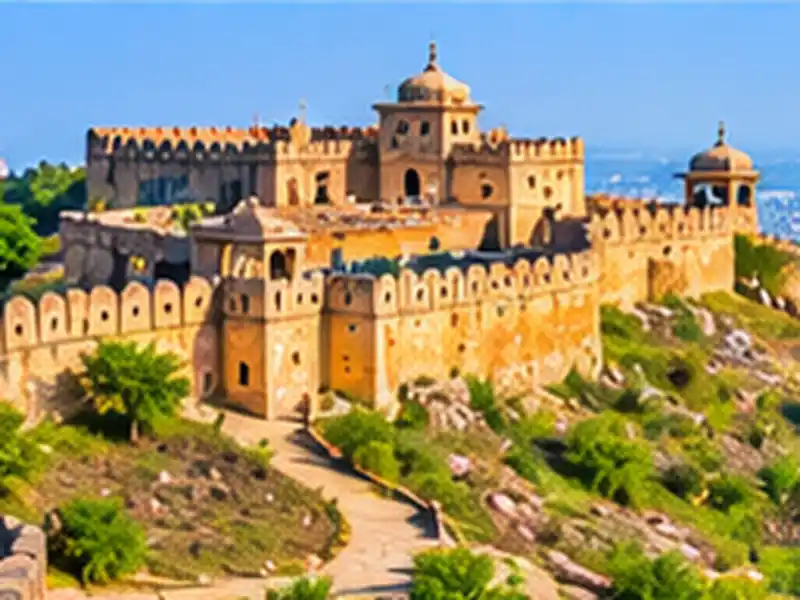
Nahargarh Fort, overlooking Jaipur from the Aravalli ridge, offers panoramic views of the city's skyline. Its historic palace sections and elevated viewpoints make it especially attractive for heritage sightseeing and photography.
Together, these forts reveal the strategic importance, architectural skill, and royal history of Jaipur.
Jaipur's palaces reflect the grandeur of Rajasthan's royal past through beautiful architecture, decorative arts, and fascinating historical collections.
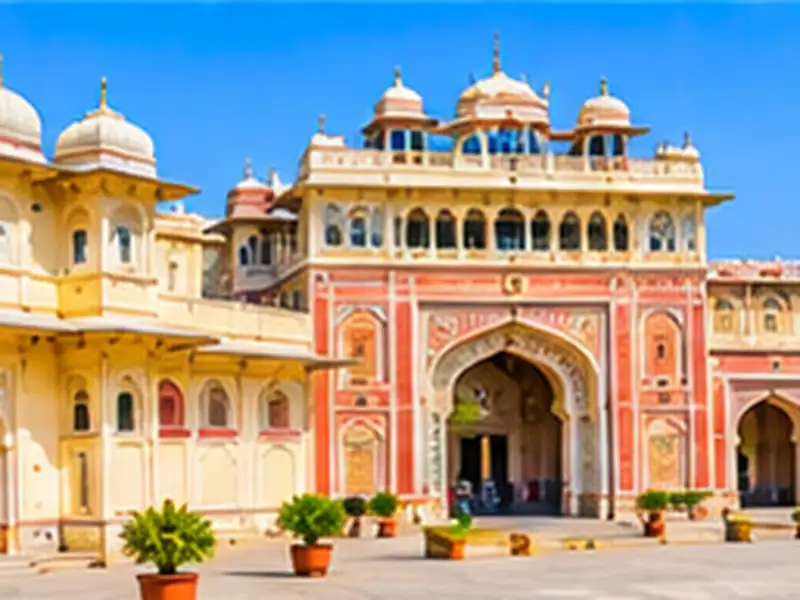
City Palace, located in the heart of the walled city, is one of Jaipur's most important heritage attractions. The complex features elegant courtyards, royal gateways, historic buildings, and museum collections associated with the former Jaipur royal family.
Visitors can explore sections such as Mubarak Mahal and admire traditional costumes, textiles, weapons, and objects connected with royal life. Certain areas remain private or require separate visitor access.
Hawa Mahal is another iconic landmark that defines Jaipur's architectural identity. Built in 1799 by Maharaja Sawai Pratap Singh, this remarkable five-storey structure is famous for its honeycomb-like façade and hundreds of intricately designed windows.
The small latticed windows allowed women of the royal household to observe street life while maintaining privacy, illustrating the architectural traditions of the period.
The pink and terracotta-coloured buildings surrounding Hawa Mahal, Johari Bazaar, and Badi Chaupar create one of India's most distinctive historic cityscapes.
Jaipur is not only a destination of royal palaces and magnificent forts but also an important centre of historical scientific achievement.
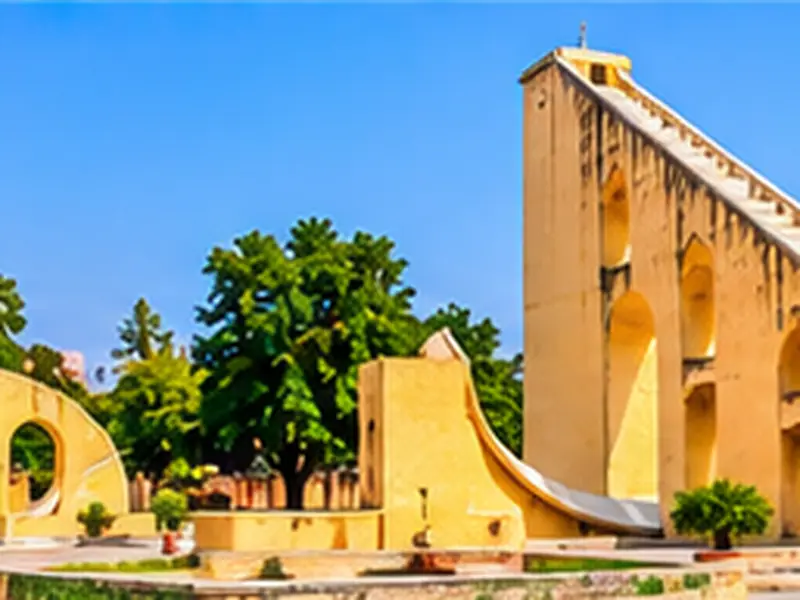
Jantar Mantar, located near City Palace, is a UNESCO World Heritage Site containing a remarkable collection of astronomical instruments built under Maharaja Sawai Jai Singh II during the 18th century.
The observatory was designed to study celestial movements, measure time, and support astronomical calculations through large masonry instruments.
One of its most impressive structures is the Samrat Yantra, a monumental sundial that demonstrates the precision and scientific understanding of the period.
Visitors can explore the observatory's geometric structures and learn how traditional astronomical principles were applied through carefully designed architectural instruments.
Jantar Mantar provides an educational experience for families, students, history enthusiasts, and travellers interested in India's scientific heritage.
Jaipur is one of India's most celebrated centres for traditional handicrafts, gemstone jewellery, colourful textiles, and artistic craftsmanship.
The city's historic bazaars offer visitors an opportunity to discover products that have been closely associated with Rajasthan for generations.
Johari Bazaar is particularly famous for jewellery, gemstones, and traditional ornaments. Its shops showcase the city's longstanding connection with precious stones and jewellery craftsmanship.
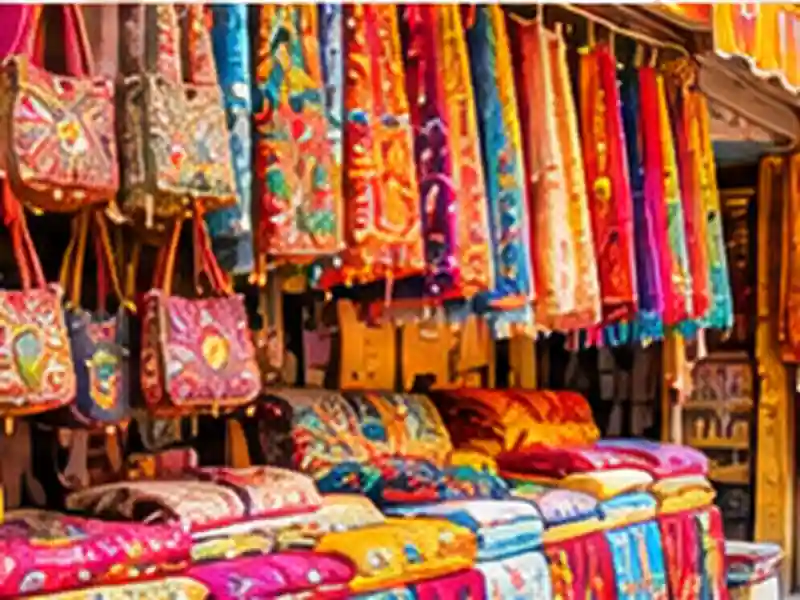
Bapu Bazaar is popular for colourful textiles, traditional footwear, souvenirs, and locally inspired accessories. Travellers can also explore Tripolia Bazaar, known for lac bangles and traditional decorative products.
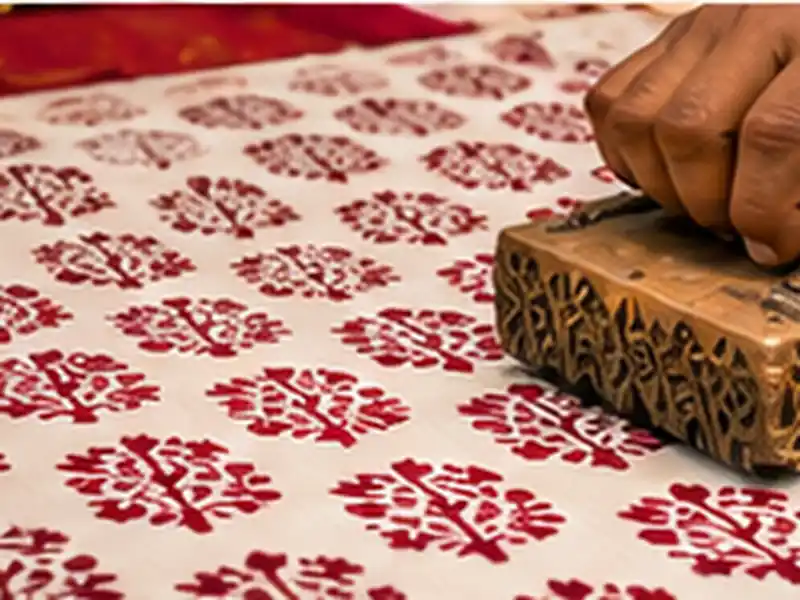
Jaipur is especially recognised for its hand-block-printed fabrics, including Sanganeri and Bagru textile traditions. These printing techniques use carved wooden blocks to create intricate patterns on fabric.
Visitors interested in traditional crafts can explore workshops where artisans demonstrate textile printing, jewellery making, and other regional skills.
Shopping in Jaipur is not simply a commercial experience; it offers a glimpse into the artistic traditions and everyday cultural identity of the Pink City.
Jaipur's culinary heritage is an important part of its travel experience. The city offers a wide variety of traditional Rajasthani dishes, local street food, and regional sweets that reflect the flavours of western India.
Dal Baati Churma is among Rajasthan's most recognisable dishes, combining baked wheat dumplings, lentils, and a sweet preparation of crushed wheat.
Other popular specialities include pyaaz kachori, mirchi bada, gatte ki sabzi, ker sangri, and traditional Rajasthani thalis.
Sweet lovers can try ghewar, a popular regional dessert particularly associated with festive celebrations, along with mawa kachori and other local sweets.
Jaipur's traditional markets, family-run eateries, and heritage restaurants offer opportunities to experience these flavours in different settings.
Visitors can also enjoy cultural dining experiences featuring Rajasthani folk performances, traditional seating arrangements, and locally inspired hospitality.
Jaipur's cultural identity is closely connected with festivals, traditional performances, and artistic celebrations.
Teej is one of the city's important traditional festivals, marked by religious ceremonies, colourful processions, and celebrations associated with the monsoon season.
Gangaur is another significant festival, celebrating Goddess Gauri and featuring traditional rituals, decorative attire, and cultural activities.
The city also hosts the internationally recognised Jaipur Literature Festival, which attracts writers, thinkers, and visitors interested in literature and cultural discussions.
Traditional puppet performances, folk music, and Rajasthani dance forms provide further opportunities to experience the region's artistic heritage.
These festivals and cultural activities allow travellers to discover Jaipur beyond its famous monuments and connect with the living traditions of Rajasthan.
Although Jaipur is primarily celebrated for its architectural heritage, the surrounding Aravalli Hills offer attractive landscapes and outdoor experiences.
Nahargarh Fort is especially popular for its elevated views over the Pink City. Visitors can admire the historic urban landscape stretching towards the surrounding hills.
Jal Mahal, situated in Man Sagar Lake, is another famous photography location. The palace appears to rise from the water, creating one of Jaipur's most recognisable scenic views.
While the palace is generally admired from the lakeside rather than visited internally, its setting provides an enjoyable stop during sightseeing trips towards Amer.
Travellers can also explore peaceful gardens, historic stepwells, and selected walking routes around the city's heritage areas.
For nature lovers, the surroundings of the Aravalli Hills provide a refreshing contrast to Jaipur's lively streets and crowded markets.
Jaipur offers a wide variety of experiences for different types of visitors.
Families can explore magnificent forts, royal museums, historic observatories, and cultural attractions while learning about Rajasthan's history and traditions.
Couples can enjoy romantic palace surroundings, heritage accommodation, beautiful photography locations, and memorable dining experiences.
Architecture enthusiasts can admire the detailed craftsmanship of Hawa Mahal, City Palace, Amer Fort, and other historic monuments.
Shopping lovers can explore colourful bazaars filled with gemstones, textiles, handicrafts, and traditional jewellery.
Travellers interested in Indian history can discover Jaipur's royal heritage, while food enthusiasts can experience authentic Rajasthani cuisine and regional delicacies.
The city's combination of heritage attractions, cultural activities, and convenient travel connections makes it suitable for both short holidays and extended Rajasthan itineraries.
A two-to-three-day stay is generally suitable for exploring Jaipur's major attractions, including Amer Fort, City Palace, Hawa Mahal, Jantar Mantar, Nahargarh Fort, and the historic markets.
Travellers who want to explore museums, traditional craft workshops, Jaigarh Fort, and additional cultural experiences may prefer three to four days.
October to March is generally the best period for visiting Jaipur, with relatively comfortable temperatures for exploring forts, palaces, and outdoor attractions.
April to June brings intense summer heat, making early-morning sightseeing and indoor activities more comfortable. July to September is the monsoon season, when occasional rainfall brings greenery to the surrounding hills.
October and November offer pleasant post-monsoon weather, making autumn particularly attractive for photography and heritage walks.
Jaipur is well connected through Jaipur International Airport, Jaipur Junction Railway Station, and major highways linking the city with Delhi, Agra, Ajmer, and other destinations.
Travellers can explore the city using private taxis, auto-rickshaws, local buses, and the Jaipur Metro, depending on their sightseeing plans.
With its extraordinary forts, beautiful palaces, colourful bazaars, rich cultural traditions, and distinctive architectural heritage, Jaipur remains one of India's most rewarding destinations for experiencing the royal history and vibrant lifestyle of Rajasthan.



Explore more beautiful destinations in Rajasthan.
Explore more Jaipur and Rajasthan travel experiences.


Plan a memorable getaway with Travel Ride.
Helpful answers about Jaipur.
Winter months such as November till March are the best and ideal opportunity to visit Jaipur as the climate around then, for the most part, stays wonderful while during different months of the year, it remains too sweltering which makes it hard to visit diverse touring places. January is the greatest month when you can visit Jaipur as Kite celebrations and book reasonable celebrations are held during this month. Likewise, you can appreciate the Elephant festival just a day before the Holi festival.
The weather generally remains hot and humid throughout most of the year, so it is advisable to visit this place during the winter months. The summer season of Jaipur has a temperature of 21°C to 40°C. During the monsoon season, it experiences medium rainfall and temperature ranges from 24°C to 34°C. During the winter season, the temperature ranges from 8°C to 28°C.
The nearest railway station is Jaipur Junction. The total distance of Jaipur from the city center is 5 km. The Palace on Wheel and Maharaja Express are the two luxury trains that run once a week for Jaipur and other states of Rajasthan. Jaipur is well connected to other cities of India like Howrah, Amritsar, Lucknow, Delhi, Mumbai, etc.
Jaipur is part of the famous circuit of the Golden Triangle and is visited along with Delhi and Agra. Some of the famous attractions of Jaipur are Amber Fort, Jantar Mantar, Rambagh Palace, City Palace, Nahargarh Fort, Jaigarh Fort, Hawa Mahal, Galta Temple, Birla Temple, Albert Hall Museum Jal Mahal, and many more.
The closest air terminal is a ways off 12 km which is the Sanganer air terminal. From the air terminal, you can get nearby vehicles and taxis to arrive at your objective. There are well-motorable streets that associate Jaipur with different urban areas.
Chokhi Dhani is a Luxury theme-based Heritage eatery that is a great fascination for travelers. It is planned in the town subject to give its visitors the vibe of town life. Here you can appreciate the renowned Daal, Batti, and Churma with some folk dance, magic shows, horse riding, Fortune telling, boating, and puppet shows as a part of the entertainment.
Bapu Market offers credible Rajasthani craftwork like stone gems, materials, metalwork, handiwork, and stonework. Numerous National and International sightseers are pulled into this market because of its variety, realness, and sensible cost. Johari Market is the most established market in Jaipur city of Rajasthan. This market has different delightful food slows down and Kundan adornments. This market resembles heaven for adornment darlings as it offers glittery gems composed of jewels, silver, gold, rubies, and Emerald. The name Johari is the Hindi rendition of the word utilized for Jewelers.
Complete Jaipur is declared a UNESCO heritage site on 6th July 2019. It's almost 300 years now since Jaipur was formed, and in this period, there are countless documentaries and movies.
Jaipur has different Historical places and fortresses, for example, Amber post, Nahargarh fortification, Hawa Mahal, Jal Mahal, and so on these spots pull in the consideration of travelers due to their imperial cutting and stunning design. City royal residence being the most renowned of everything is a spot worth visiting as it includes different castles inside its dividers.
There are different rooms named Diwan-e-Khaas, Diwan-e-Aam, the sovereign's royal residence, and so on experiencing these rooms resembles watching a memorable film. Travelers can likewise appreciate the light and sound that is held at night time in Amber Palace, which portrays the historical backdrop of this spot.
Jaipur has well motorable roads. From Delhi, you can get a bus from the ISBT Kashmiri gate. After reaching the bus stand you can get local transport to Jaipur. One can also get luxury and normal buses from Udaipur, Jaipur, and Jaisalmer.
 Why Visit Rajasthan With Family
 The Vibrant Desert Festival of Jaisalmer
 Pushkar Mela -The Reflection of Rajasthani Culture
 Experience the Luxury of past time in these Seven Luxury Trains in India
 Have a dip in the Royal past of Rajasthan with these Magnificent Forts.