



Discover Lord Krishna's Birthplace, Sacred Yamuna Ghats & Timeless Braj Heritage
Situated along the banks of the sacred Yamuna River in Uttar Pradesh, Mathura is one of India's most revered pilgrimage destinations, celebrated as the traditional birthplace of Lord Krishna and an important centre of Hindu spirituality. Located in the heart of the historic Braj region, the city attracts devotees, families, heritage enthusiasts, and cultural travellers with its ancient temples, sacred river ghats, colourful festivals, and centuries-old religious traditions. From the spiritually significant Shri Krishna Janmabhoomi Temple Complex to the evening aarti at Vishram Ghat, Mathura offers an immersive journey into the devotional heritage of northern India.
Mathura's identity is deeply connected with the life and legends of Lord Krishna, whose stories continue to shape the city's religious practices, traditional celebrations, music, and everyday cultural atmosphere. Its narrow streets, bustling bazaars, temple courtyards, and historic bathing ghats reflect the enduring traditions of Braj Bhoomi.
Beyond its religious importance, Mathura also possesses a remarkable archaeological heritage. The city was an influential centre of art, trade, and sculpture during ancient Indian history, particularly under the Kushan and Gupta dynasties. The Government Museum preserves valuable artefacts that reveal this less-explored aspect of Mathura's past.
Whether you are planning a spiritual pilgrimage, a family temple tour, or a cultural journey through Uttar Pradesh, Mathura offers a memorable combination of sacred landmarks, historical discoveries, traditional food, and authentic local experiences.
Mathura stands among India's most significant religious destinations because of its close association with Lord Krishna and the sacred landscape of Braj. The city offers a distinctive travel experience centred on temple visits, devotional rituals, historic neighbourhoods, and traditional festivals.
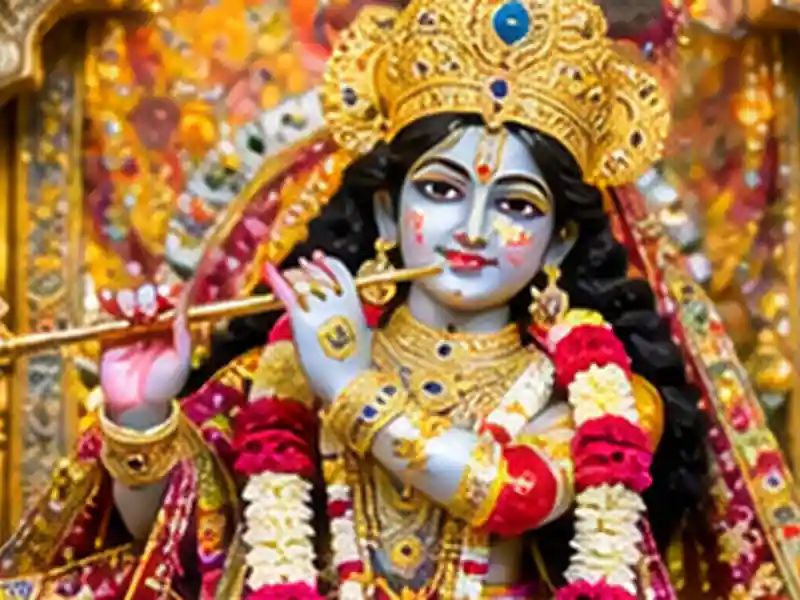
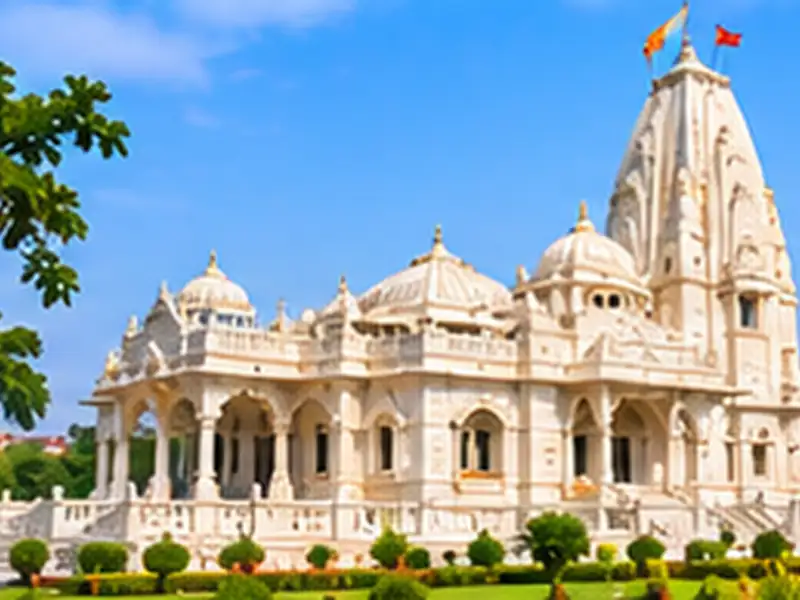
Shri Krishna Janmabhoomi is Mathura's most prominent pilgrimage landmark, attracting devotees who visit the site traditionally identified as Lord Krishna's birthplace. Nearby, Dwarkadhish Temple is known for its beautiful architecture, vibrant religious celebrations, and elaborate devotional traditions.
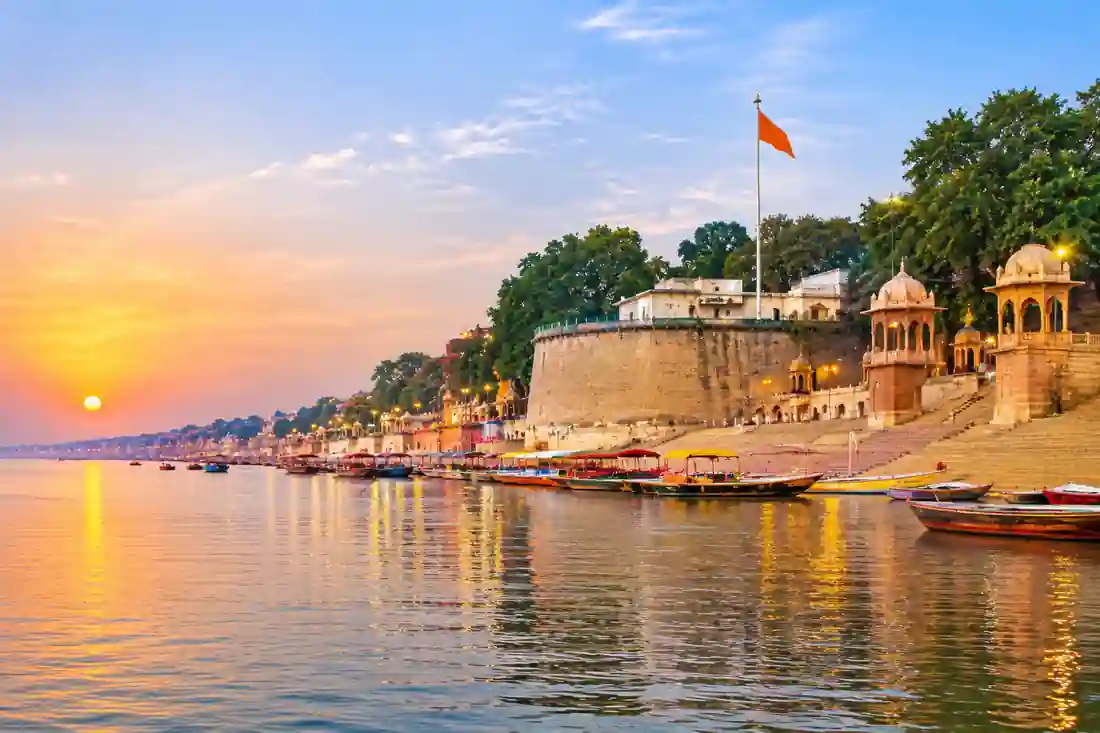
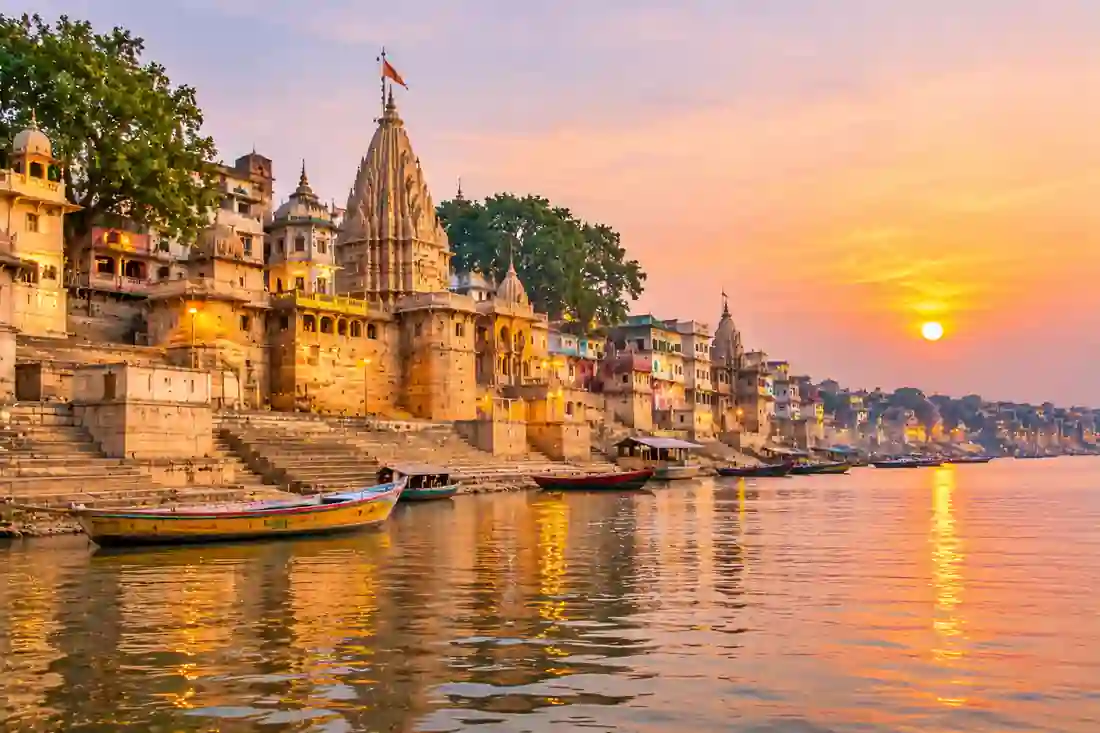
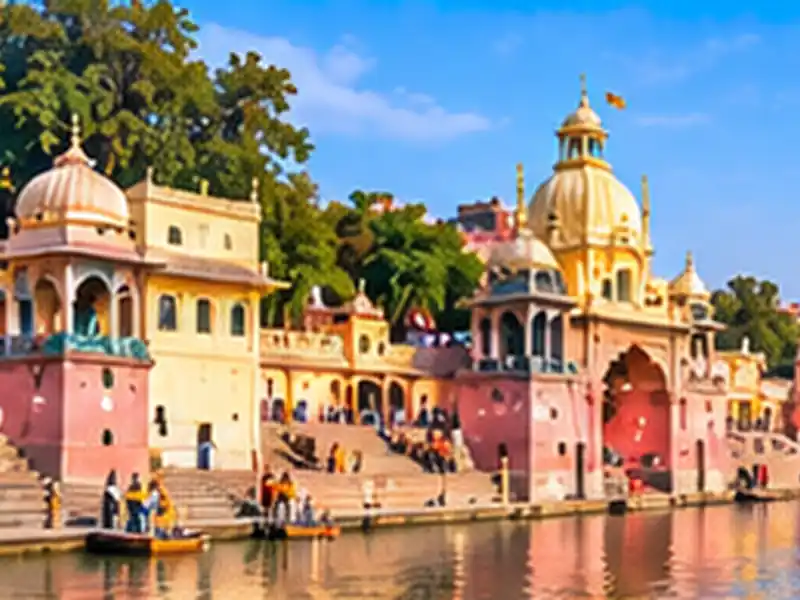
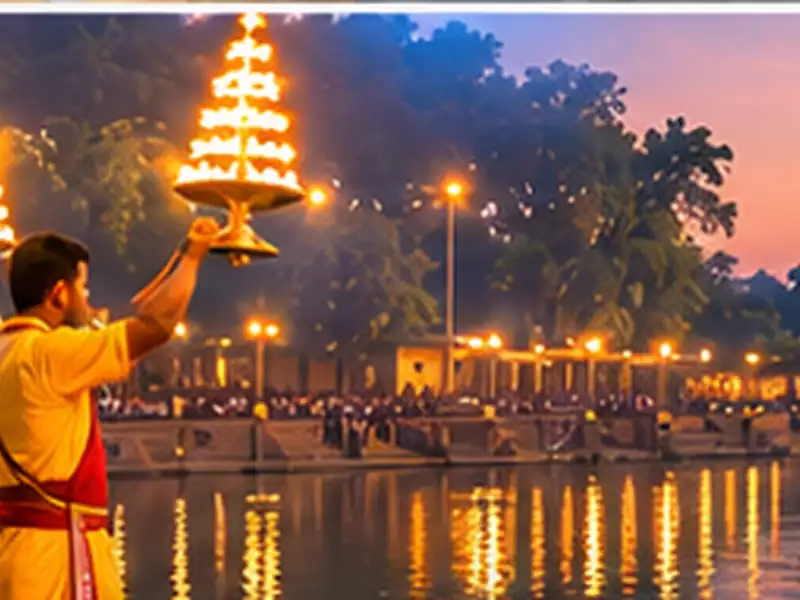
The Yamuna River adds another important dimension to Mathura's identity. Vishram Ghat, one of the city's principal sacred riverfront sites, is a popular destination for religious ceremonies, evening aarti, and peaceful riverside sightseeing.
Mathura also serves as a gateway to other important Braj destinations, including Vrindavan, Gokul, Govardhan, Barsana, and Nandgaon. However, the city offers enough historical and cultural attractions to deserve dedicated sightseeing time rather than being treated only as a stop on the way to Vrindavan.
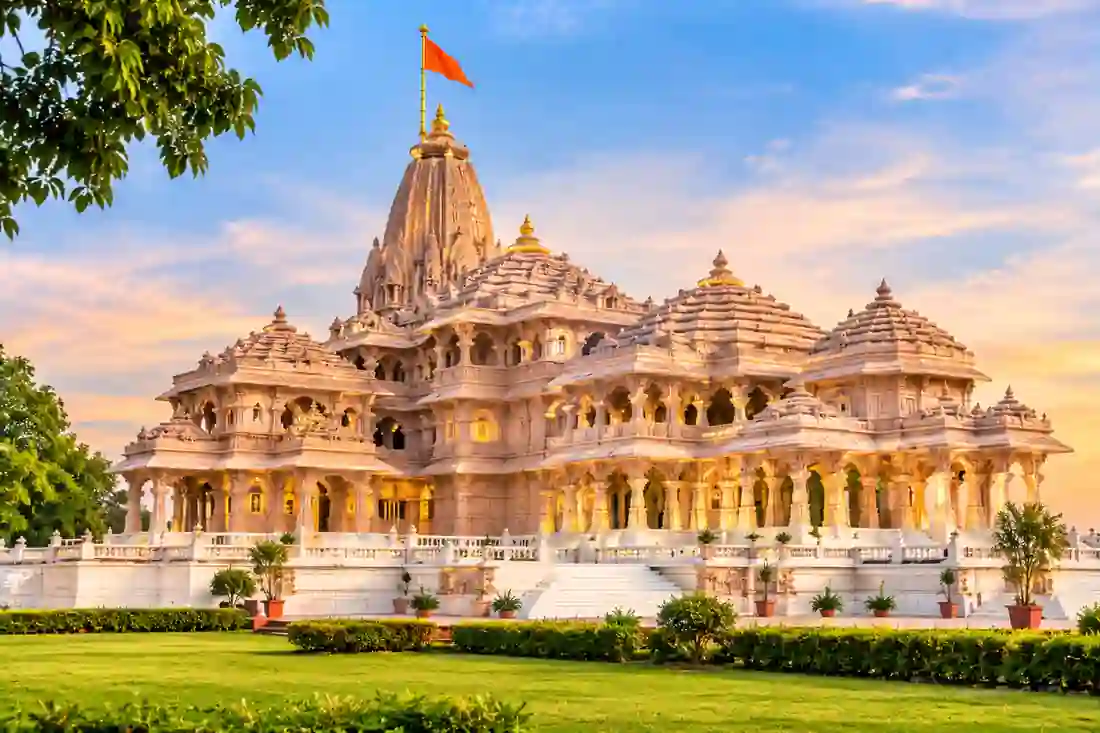
Shri Krishna Janmabhoomi Temple Complex is the spiritual heart of Mathura and one of the most significant landmarks associated with Lord Krishna.
According to Hindu tradition, Lord Krishna was born in Mathura during the reign of King Kansa. The present temple complex commemorates the site traditionally believed to be his birthplace, making it a major destination for pilgrims from across India and around the world.
Visitors can explore the accessible temple areas, experience devotional prayers, and visit the sacred Garbha Griha associated with the birth narrative of Lord Krishna.
The complex has an important place in the religious history of the region, and its surroundings reflect the layered history of Mathura. Visitors should remain respectful of local religious practices and follow all current security arrangements and temple regulations.
Entry procedures may include security checks and restrictions on mobile phones, cameras, bags, and other personal belongings.
The atmosphere becomes particularly vibrant during Krishna Janmashtami, when large numbers of devotees gather for prayers and celebrations.
For travellers interested in understanding the cultural significance of Mathura, Shri Krishna Janmabhoomi provides an essential introduction to the city's spiritual traditions.
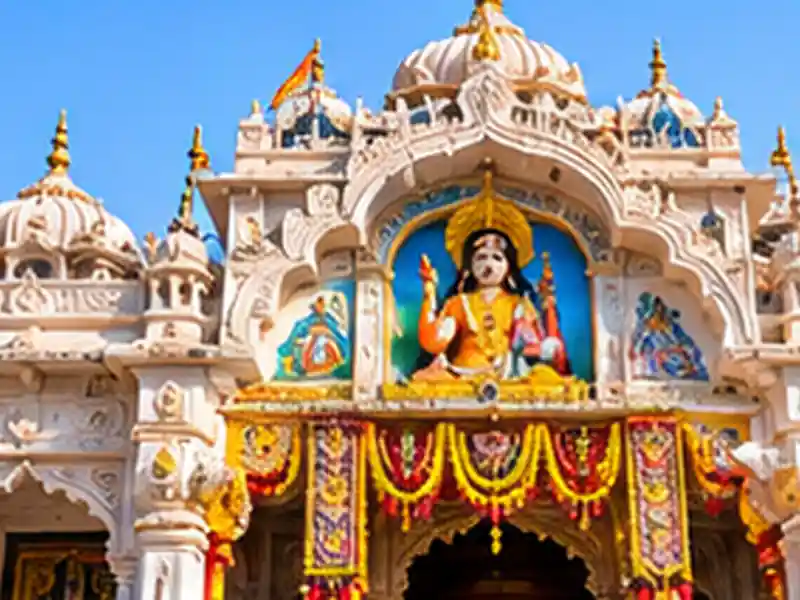
Dwarkadhish Temple is another important religious landmark in Mathura, situated within the historic city near the Yamuna riverfront.
Dedicated to Lord Krishna in his royal form as Dwarkadhish, the temple is admired for its traditional architectural features, richly decorated interiors, and vibrant devotional atmosphere.
The temple was established during the early nineteenth century and remains an important centre of religious activity. Its beautifully decorated pillars, courtyards, and ceremonial spaces reflect the craftsmanship and devotional traditions of the period.
Visitors can experience temple prayers, observe traditional rituals, and discover the importance of Krishna worship in Braj culture.
Dwarkadhish Temple is particularly known for its elaborate celebrations during festivals such as Holi, Janmashtami, and the Hindola festival, when decorated swings become part of the devotional observances.
The surrounding streets are filled with traditional shops, flower sellers, religious items, and local sweet shops, creating a lively atmosphere that extends beyond the temple itself.
A visit to Dwarkadhish Temple offers an opportunity to experience the living traditions of Mathura rather than simply admire a historic monument.
The Yamuna River holds a central place in the religious and cultural landscape of Mathura, and Vishram Ghat is among its most important sacred locations.
According to local religious tradition, Lord Krishna rested at this spot after defeating King Kansa. The ghat is therefore closely associated with important events in Krishna's life and remains a significant destination for pilgrims.
Visitors can explore the riverfront steps, observe traditional rituals, and experience the peaceful surroundings during quieter hours of the day.
The evening Yamuna aarti is one of the most memorable cultural experiences in Mathura. Devotional prayers, illuminated lamps, and chanting create a beautiful atmosphere along the riverfront.
Boat rides may also be available through local operators, depending on water levels, weather, and official restrictions.
The surrounding ghats and narrow lanes preserve elements of Mathura's traditional urban character, making the area interesting for both spiritual sightseeing and heritage photography.
Visitors should avoid swimming in the river and take care on wet or crowded steps.
Vishram Ghat offers a meaningful opportunity to understand how the Yamuna continues to influence Mathura's religious traditions and everyday life.
Although Mathura is most widely known for its association with Lord Krishna, the city also has an important place in the history of Indian art and civilisation.
Mathura developed into a significant centre of trade, religion, and artistic production during ancient times. Its location near historic routes helped connect the region with other important settlements across northern India.
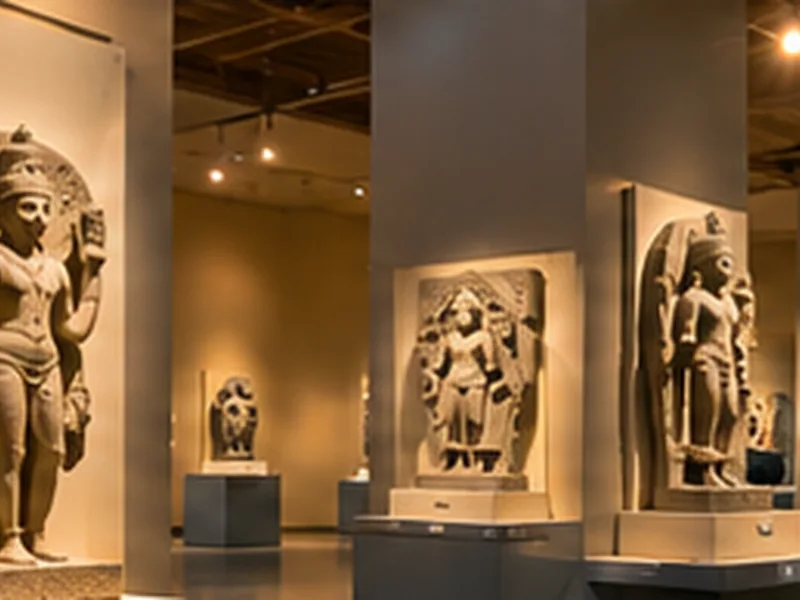
The city became particularly influential during the Kushan period, when the Mathura school of sculpture developed a distinctive artistic tradition characterised by expressive figures and the use of locally available red sandstone.
Sculptures associated with Buddhist, Jain, and Hindu traditions illustrate Mathura's historical importance as a centre of artistic and religious exchange.
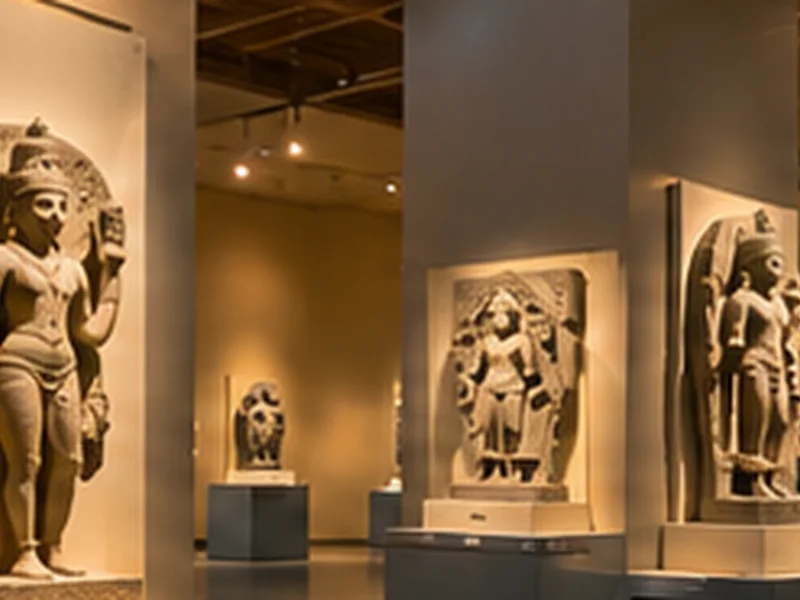
The Government Museum, Mathura, established in 1874, preserves an extensive collection of archaeological artefacts, including sculptures, terracotta objects, coins, and historical artworks.
Visitors interested in history can explore museum exhibits that provide a broader understanding of Mathura beyond its famous Krishna temples.
This combination of archaeological significance and living religious traditions makes Mathura particularly rewarding for cultural and heritage travellers.
Mathura is an important cultural centre of Braj Bhoomi, a region closely associated with the life and devotional traditions of Lord Krishna.
Braj culture is expressed through its local language, traditional music, storytelling, temple rituals, and religious celebrations. Braj Bhasha continues to hold an important place in regional literature and devotional poetry.
The works of poets such as Surdas and other Bhakti movement figures have contributed to the region's rich artistic and spiritual heritage.
Visitors may encounter devotional singing, temple bhajans, and traditional performances inspired by episodes from Lord Krishna's life.
Raslila performances, which dramatise stories associated with Krishna, are another important part of the wider Braj cultural tradition. Their availability depends on local events, festivals, and performance schedules.
Mathura's traditional neighbourhoods and temple streets offer opportunities to experience this cultural atmosphere through everyday practices rather than staged tourist attractions alone.
For travellers interested in religious history, the city provides a meaningful connection between sacred stories, traditional art, and contemporary devotional life.
Mathura is especially famous for its vibrant religious festivals, which attract pilgrims and visitors from across India.
Krishna Janmashtami, celebrated during August or September according to the Hindu calendar, is among the city's most important occasions. Temples are beautifully decorated, devotional programmes take place, and worshippers gather to celebrate the birth of Lord Krishna.
Holi is another major highlight of the Braj region. While Mathura hosts its own celebrations, nearby destinations such as Barsana, Nandgaon, and Vrindavan are known for distinctive Holi traditions.
The wider region's celebrations include devotional singing, flower-based festivities, traditional processions, and colourful gatherings, depending on the specific location and festival programme.
Govardhan Puja, Annakut, Radhashtami, and celebrations during the sacred Kartik month also contribute to the region's religious calendar.
Travellers visiting during major festivals should expect heavy crowds, traffic restrictions, longer temple queues, and limited accommodation availability.
Advance planning is particularly important for visitors travelling with children, senior citizens, or anyone who prefers a less crowded pilgrimage experience.
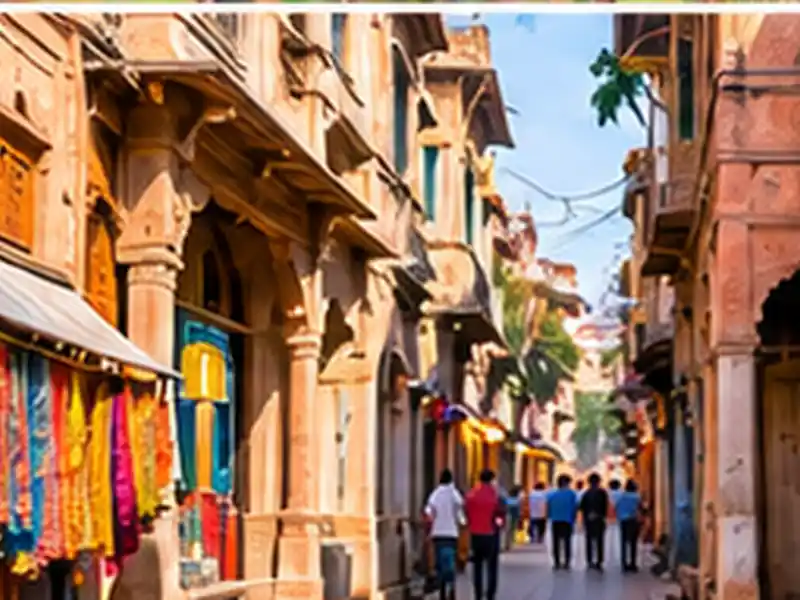
Mathura's lively markets offer a glimpse into the city's traditional lifestyle, local craftsmanship, and distinctive food culture.
The streets surrounding Dwarkadhish Temple, Holi Gate, and the old city contain shops selling religious souvenirs, traditional clothing, decorative items, flowers, and locally prepared sweets.
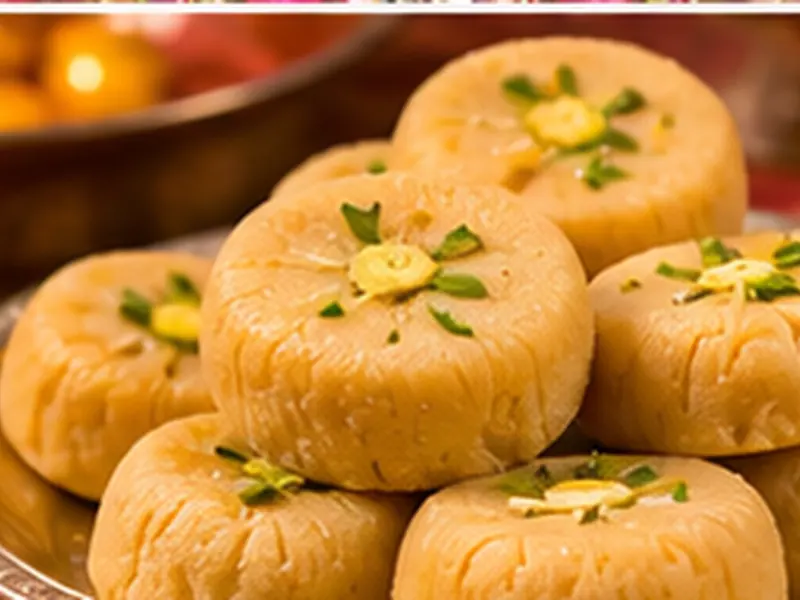
Mathura is particularly famous for its peda, a traditional milk-based sweet prepared using concentrated milk solids and sugar. The rich flavour and distinctive texture of Mathura peda have made it one of the city's most recognisable culinary specialities.
Visitors can also enjoy kachori, bedai with potato curry, jalebi, lassi, and other popular North Indian snacks.
The city's food culture is strongly influenced by its religious traditions, with many establishments offering vegetarian dishes and sweets suitable for pilgrims.
Exploring local markets allows visitors to combine shopping with cultural discovery, food tasting, and observation of daily life in one of Uttar Pradesh's oldest cities.
Mathura forms the centre of a wider spiritual landscape that includes several destinations associated with Lord Krishna.
Vrindavan, situated approximately 12–15 kilometres from Mathura, is renowned for its Krishna temples, devotional traditions, and sacred sites connected with Krishna's childhood and youth.
Gokul, located across the Yamuna River, is associated with the stories of Krishna's early childhood and is home to important religious landmarks such as Raman Reti.
Govardhan is another significant pilgrimage destination, famous for Govardhan Hill and the traditional parikrama undertaken by devotees.
Barsana and Nandgaon are closely associated with the stories of Radha and Krishna and are particularly famous for their traditional Holi celebrations.
These nearby destinations can be included in a broader Braj pilgrimage, although each offers its own distinctive religious and cultural experiences.
Visitors planning to cover multiple towns should allow sufficient travel time, especially during festivals when roads and temple areas can become extremely crowded.
Mathura offers meaningful experiences for several types of visitors.
Pilgrims can explore important temples, participate in devotional rituals, attend Yamuna aarti, and continue their journey through other sacred destinations of Braj.
Families can visit Shri Krishna Janmabhoomi, Dwarkadhish Temple, Vishram Ghat, and the Government Museum while discovering the region's cultural traditions.
History enthusiasts can explore archaeological collections, historic neighbourhoods, and traditional architecture that reflect Mathura's ancient importance.
Food lovers can discover local vegetarian dishes, traditional sweets, and the famous Mathura peda.
Cultural travellers can experience devotional music, regional festivals, heritage walks, and the everyday atmosphere of the old city.
Mathura is especially suitable for visitors seeking a pilgrimage that also includes history, local culture, and authentic regional experiences.
A one-to-two-day stay is generally sufficient for exploring Mathura's main attractions, including Shri Krishna Janmabhoomi, Dwarkadhish Temple, Vishram Ghat, and the Government Museum.
Travellers interested in nearby Gokul, Vrindavan, Govardhan, Barsana, or Nandgaon should allow two to four days, depending on the number of destinations and temple visits planned.
October to March is generally the most comfortable period for sightseeing, with cooler weather suitable for exploring temples, markets, and riverfront attractions.
April to June can become extremely hot, particularly during afternoon hours. July to September brings monsoon rainfall and humid conditions, which may affect outdoor sightseeing and riverfront access.
October and November offer pleasant post-monsoon weather, while December and January can bring cold mornings and occasional fog.
Travellers should remember that many temples follow separate morning and evening darshan schedules, often closing during part of the afternoon. Security checks and festival crowds can also increase the time needed for visits.
Mathura is well connected by rail and road to Delhi, Agra, Jaipur, and other destinations. Mathura Junction is an important railway station on major northern Indian routes.
With its sacred Krishna temples, historic Yamuna ghats, rich Braj traditions, remarkable archaeological heritage, and lively local culture, Mathura remains one of India's most rewarding destinations for spiritual and cultural travel.


Explore more beautiful destinations in Uttar Pradesh.
Explore more Mathura and Uttar Pradesh travel experiences.


 14 Best Places to Visit in India – Top Tourist Destinations
 Rural Tourism - The Projection of Local Community of India
 27 Famous National Parks in India
 19 Famous Temples in India
 Top Tourism destinations for your next trip to India
 Go through the glorious past of India with these Historical Destinations in India
Plan a memorable getaway with Travel Ride.
Helpful answers about Mathura.
The best chance to visit Mathura is from the stretch of October to April all through the colder time of year. As the temperature empowers the visitors to walk effectively in Mathura and around. Mathura notices winters in the extended length of November that suffer till February. On the other hand, summers can be upsetting for visitors to visit Mathura during this season, hereafter ought to be best avoided. The hour of the visit will decidedly depend on one's choice regardless.
There are several temples that are dedicated to Lord Krishna but other important temples are Gita Mandir and Dwarkadheesh Temple. Various towns depict religious feelings and have old-world charm. Some of the places that are located around Mathura are Vrindavan, Agra, Bharatpur, Delhi, Deeg, Jaipur and Banaras.
Distance from Delhi: 183 Kms
Distance from Uttarakhand: 478 Kms
Distance from Udaipur: 616 Kms
Distance from Chandigarh: 410 Kms
Distance from Jaipur: 222 Kms
Distance from Ahmedabad: 900 Km
Distance from Mumbai: 1253 Kms
Distance from Bangalore: 1987 Kms
Distance from Chennai: 2020 Kms
Distance from Agra: 58 Kms
Distance from Vrindavan: 14 Kms
Distance from Ayodhya: 530 Kms
The closest rail route station is Mathura Junction. Mathura is associated with Delhi, Jaipur, Kolkata, Mumbai, Indore, Agra, Varanasi, Bhopal, Gwalior, and so on you can likewise board some nearby trains from Delhi, Alwar, Lucknow, and Bharatpur that work on the routine. From the rail line station, you can enlist a nearby taxi or different methods of transport to arrive at your specific objective.
Mathura is among the seven sacred cities of India, which is located in Uttar Pradesh. Some of the top attractions of Mathura are Shri Krishna Janmabhoomi Temple, Jama Masjid, Dwarkadhish Temple, Vishram Ghat, Kusum Sarovar, Kans Qila, Gita Mandir, Govardhan Hill and Dauji Mandir.