



Explore Wild Forests, Serene Lakes & Kerala's Fragrant Spice Trails
Nestled in the lush Western Ghats of Kerala, Thekkady is one of South India's most captivating nature destinations, celebrated for its dense evergreen forests, beautiful mountain landscapes, peaceful lakes, and fragrant spice plantations. Located in the Idukki district near the Kerala–Tamil Nadu border, Thekkady is best known as the gateway to Periyar Tiger Reserve, one of India's important protected wildlife habitats. From scenic boat safaris on Periyar Lake to guided forest walks and traditional spice estate visits, Thekkady offers a refreshing combination of wildlife exploration, adventure, cultural experiences, and natural beauty.
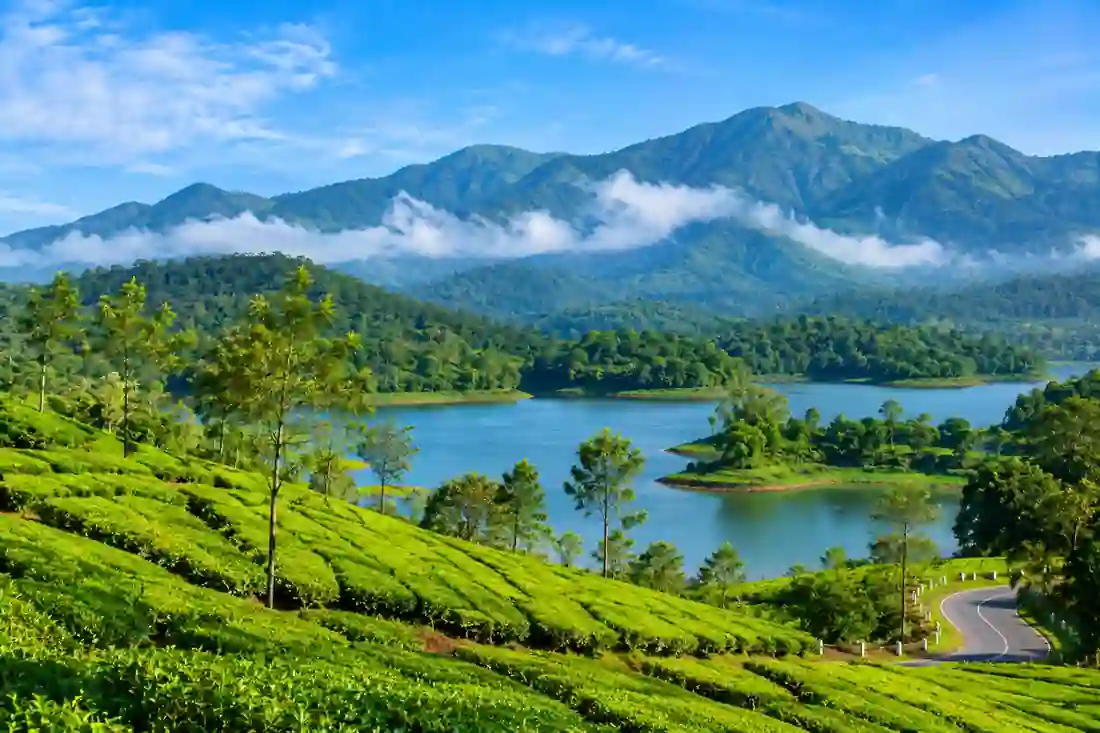
Unlike Kerala's famous backwater destinations or tea-covered hill stations, Thekkady offers a distinctive holiday experience centred on forests, biodiversity, and traditional plantation culture. The surrounding landscape features tropical vegetation, cardamom plantations, mist-covered hills, and quiet villages where visitors can experience the natural charm of Kerala's highlands.
The nearby town of Kumily serves as a major accommodation, shopping, and transport centre for travellers visiting Thekkady. Its markets, spice shops, restaurants, and cultural performance venues complement the area's nature-based attractions.
Whether you are planning a family holiday, a romantic escape, a wildlife adventure, or an extended Kerala tour, Thekkady provides memorable experiences for travellers who enjoy exploring beautiful natural surroundings.
Thekkady stands apart from many other tourist destinations in Kerala because of its exceptional wildlife heritage, protected forest landscapes, and distinctive spice-growing traditions.
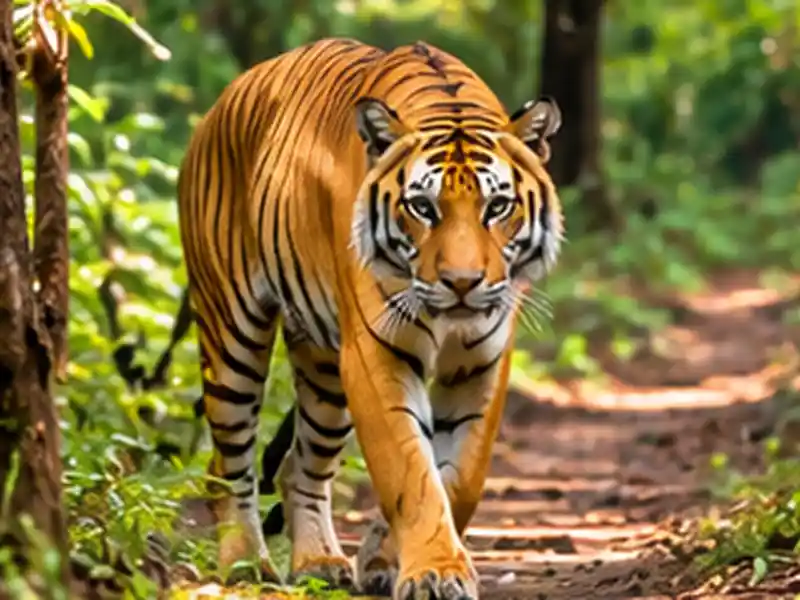
The region's main attraction is Periyar Tiger Reserve, a vast conservation landscape supporting elephants, tigers, gaur, sambar deer, wild boars, several primate species, and a remarkable variety of birds. Visitors can experience the forest through regulated eco-tourism programmes designed to provide opportunities for nature observation while protecting sensitive wildlife habitats.
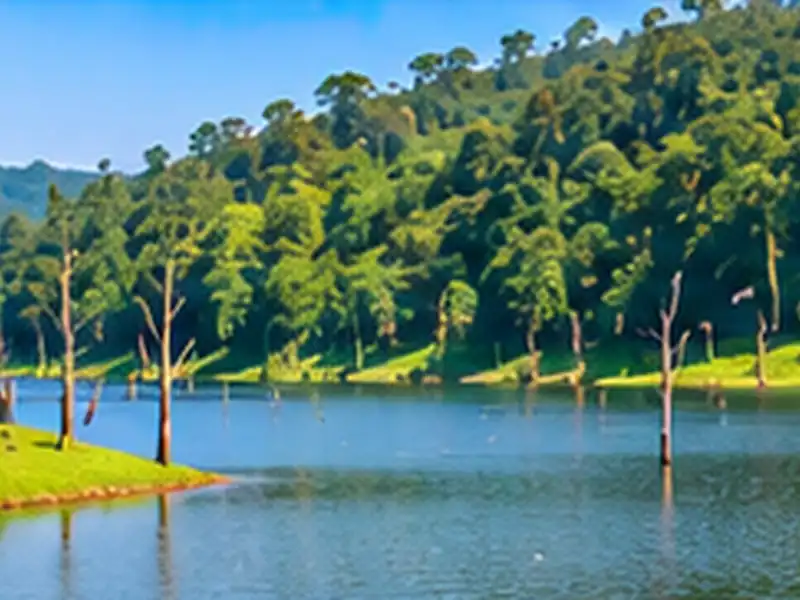
Periyar Lake offers one of Thekkady's most recognisable experiences. A boat journey across its waters allows travellers to admire forest-covered hills, submerged tree trunks, and the beautiful natural scenery surrounding the reservoir.
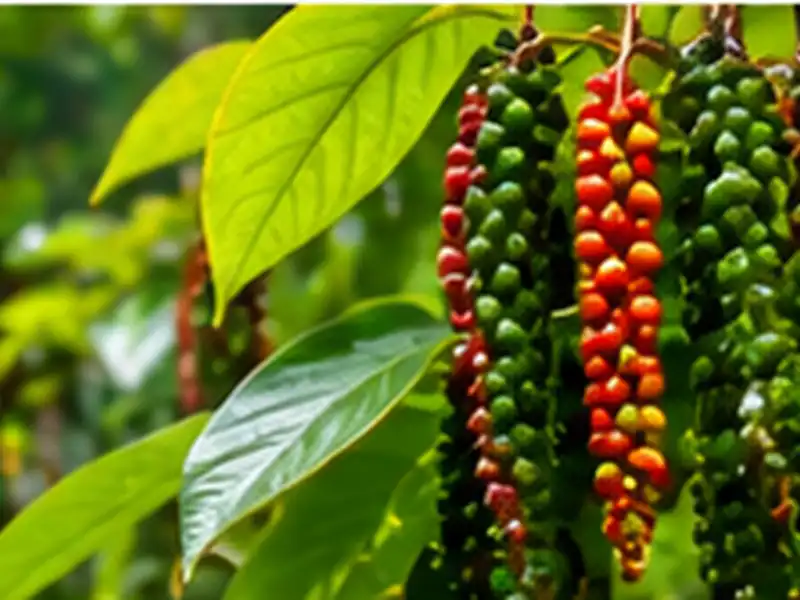
Beyond wildlife tourism, Thekkady is famous for its plantations of cardamom, black pepper, cinnamon, cloves, and other spices. Guided plantation tours introduce visitors to Kerala's agricultural traditions and the cultivation of ingredients that have shaped the region's culinary identity.
Thekkady also offers scenic viewpoints, traditional village experiences, guided trekking routes, and cultural performances, making it an excellent destination for families, couples, photographers, and nature enthusiasts.
Periyar Tiger Reserve is the defining attraction of Thekkady and one of Kerala's most significant protected natural areas. Spread across the Western Ghats, the reserve includes evergreen and semi-evergreen forests, moist deciduous woodland, grasslands, and the extensive Periyar reservoir.
The protected landscape supports a remarkable diversity of wildlife, including Asian elephants, Bengal tigers, Indian gaur, sambar deer, wild boars, otters, and several species of monkeys.
The reserve is particularly well known for its elephant population, although sightings depend on weather, habitat conditions, and the natural movements of animals.
Birdwatchers may also encounter a variety of forest and waterbirds, including hornbills, kingfishers, cormorants, and other species associated with the Western Ghats.
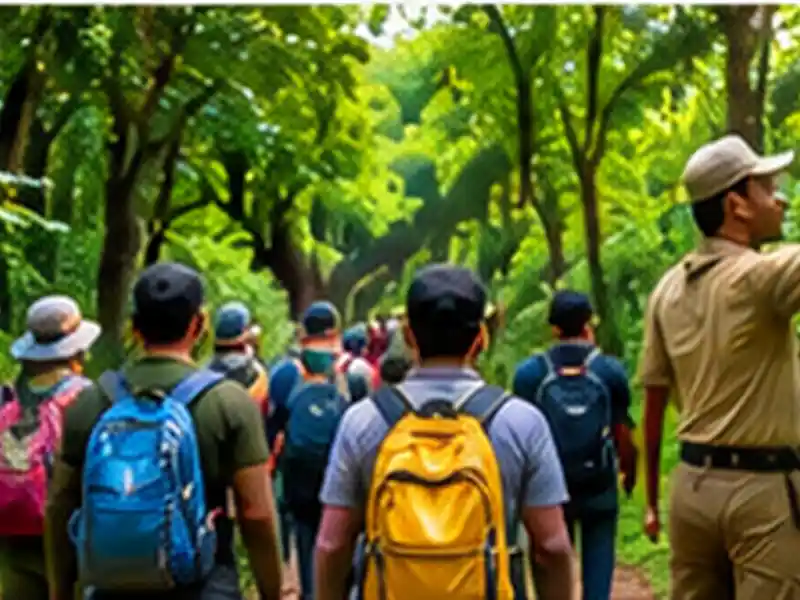
Visitors can explore selected areas through authorised eco-tourism programmes such as guided nature walks, bamboo rafting, and forest trekking.
Unlike open grassland safari destinations, Periyar has extensive forest cover, so wildlife observation can require patience. Tiger sightings are uncommon, and no responsible operator can guarantee encounters with wild animals.
The reserve's ecological importance makes it an excellent destination for travellers interested in wildlife conservation, biodiversity, and responsible nature tourism.
Periyar Lake is one of Thekkady's most beautiful attractions, offering a peaceful setting surrounded by forested hills and protected wildlife habitats.
The reservoir was formed following the construction of the Mullaperiyar Dam and has become an important part of the landscape within Periyar Tiger Reserve.
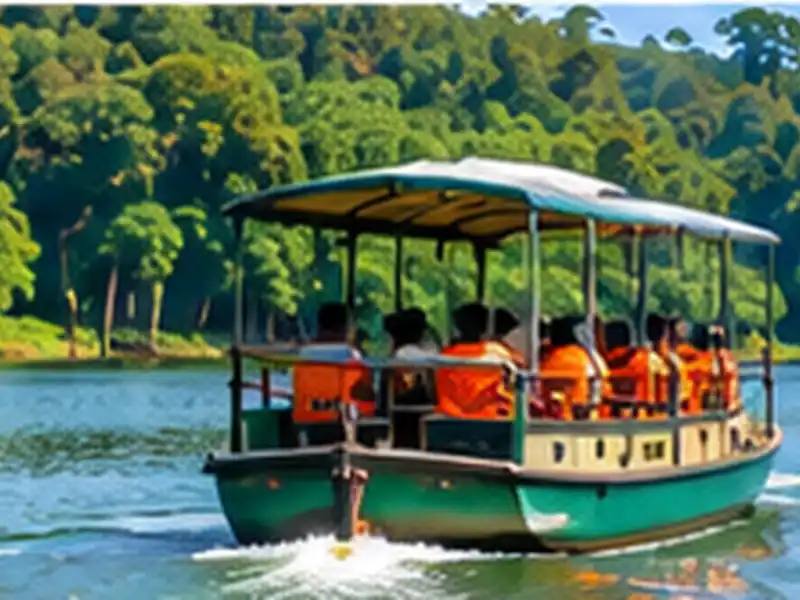
Boat safaris provide visitors with an opportunity to explore the lake while observing the surrounding forests from a designated water route.
One of the most distinctive features of the lake is the appearance of old tree trunks rising from the water, creating a striking landscape against the green hills.
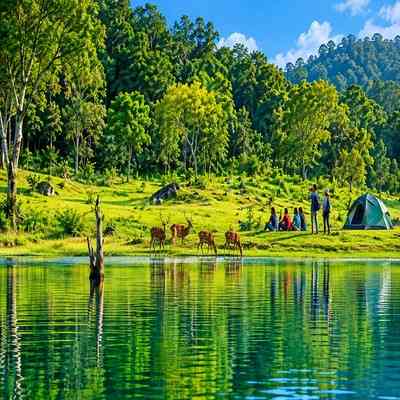
During suitable conditions, visitors may observe elephants, deer, gaur, waterbirds, and other wildlife near the shoreline.
Early morning and late afternoon cruises are popular for nature observation and photography, although animal sightings remain unpredictable.
The lake's calm waters and beautiful forest scenery make the boat journey enjoyable even when large mammals are not visible.
Travellers should reserve tickets through authorised channels, follow boarding instructions, and comply with life-jacket requirements and other safety regulations.
Since the boat safari operates inside a protected reserve, weather conditions, water levels, and management decisions can affect availability.
Thekkady is closely associated with Kerala's spice-growing traditions, which have influenced the region's agriculture, economy, and culinary culture for generations.
The surrounding hills and villages contain plantations where cardamom, black pepper, cloves, cinnamon, nutmeg, and other crops are cultivated.
Guided spice plantation tours allow visitors to discover how these plants grow and learn about harvesting, processing, and traditional agricultural practices.
Cardamom is particularly important to the highland economy, and the wider Idukki region is recognised for its spice cultivation.
Visitors can walk through designated plantation pathways, observe different spice plants, and learn how climate and soil conditions influence their production.
Some plantations also cultivate coffee, tea, and medicinal plants, providing a broader understanding of Kerala's agricultural diversity.
The fragrant surroundings and green landscapes create an enjoyable experience for travellers interested in photography, food, botany, and local livelihoods.
Selected plantation outlets offer spices and regional products for purchase, although visitors should compare quality, packaging, and prices before buying.
A spice plantation visit provides an opportunity to experience Thekkady beyond wildlife sightseeing while learning about one of Kerala's most recognisable cultural and commercial traditions.
Kumily is a lively highland town located close to the entrance of the Periyar tourism area. It serves as a major base for travellers visiting Thekkady, offering accommodation, restaurants, shops, and access to nearby attractions.
The town is particularly famous for its spice markets, where visitors can browse cardamom, pepper, cinnamon, cloves, tea, and other regional products.
Exploring these markets gives travellers an opportunity to discover the flavours and aromas associated with Kerala's plantation economy.
Kumily also offers cafés, traditional restaurants, handicraft shops, and venues hosting cultural performances.
Visitors can explore the local market streets, enjoy regional Kerala cuisine, and experience the atmosphere of a busy town surrounded by mountains and plantations.
The area is convenient for arranging transport to Periyar Tiger Reserve, plantation tours, and nearby viewpoints.
For travellers planning a short Thekkady holiday, accommodation in Kumily provides easy access to many of the destination's principal attractions.
The town's combination of local commerce, regional food, and cultural activities makes it an enjoyable part of the overall travel experience.
Thekkady is one of Kerala's leading destinations for organised forest-based adventure activities.
Periyar Tiger Reserve offers regulated eco-tourism programmes that allow travellers to experience the natural environment under the supervision of trained guides and forest personnel.
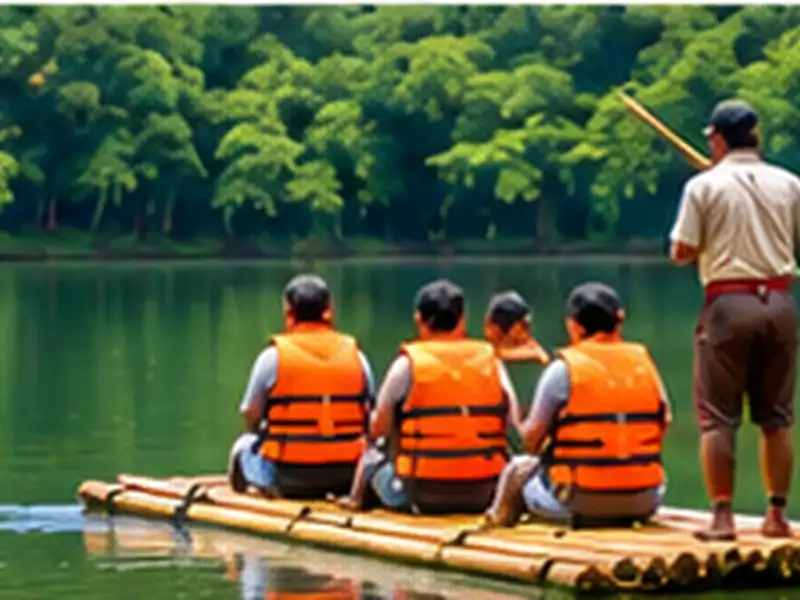
Bamboo rafting is among the region's distinctive activities, combining guided forest trekking with a rafting experience on selected sections of the reservoir.
During the programme, participants travel through forest landscapes and enjoy views of the surrounding hills, vegetation, and waterways.
Guided nature walks offer a less demanding way to appreciate the reserve's biodiversity. These experiences may introduce visitors to forest plants, birds, insects, animal tracks, and the ecological relationships within the landscape.
Longer programmes such as border hiking and specialised trekking routes may be available for visitors seeking a more challenging experience.
Activity duration, fitness requirements, age restrictions, and booking arrangements differ between programmes.
Visitors should choose authorised activities suited to their physical ability and follow all conservation and safety guidelines.
Exploring Thekkady's forests through properly managed programmes offers an enriching alternative to conventional sightseeing.
Beyond Periyar Tiger Reserve, Thekkady offers beautiful viewpoints and countryside landscapes that reveal another side of the Western Ghats.
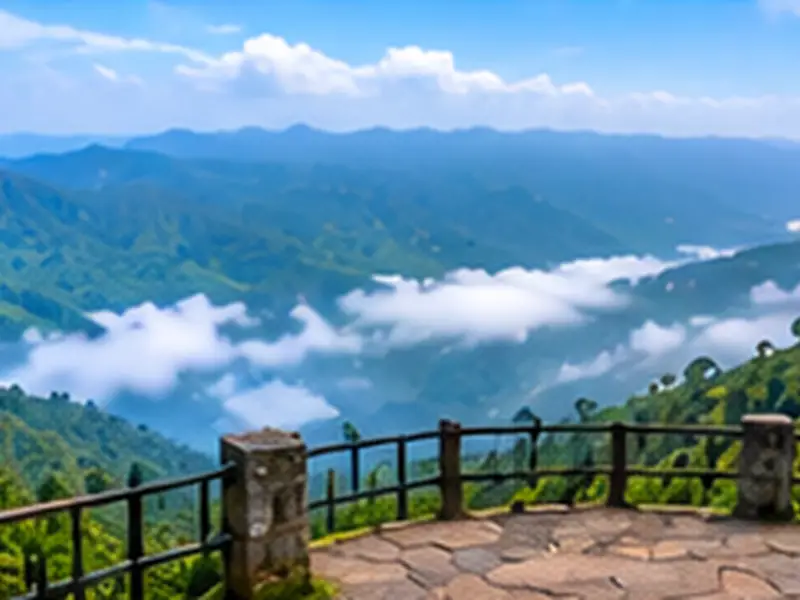
Chellarkovil, situated near the Kerala–Tamil Nadu border, is known for its elevated viewpoints overlooking green hills, agricultural fields, and the plains extending towards Tamil Nadu.
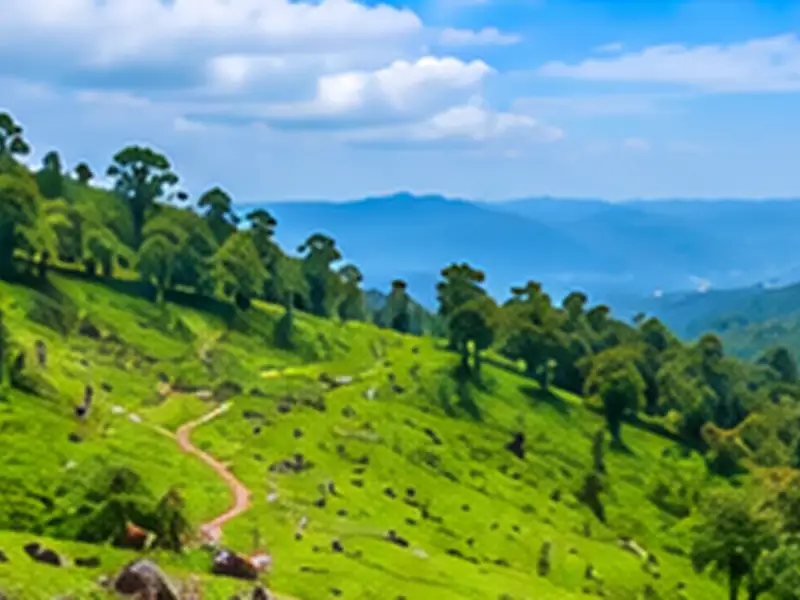
The surrounding countryside features spice plantations, forested slopes, and scenic roads that create opportunities for relaxed sightseeing and photography.
During suitable weather, visitors can enjoy expansive valley views and observe the changing light across the surrounding landscape.
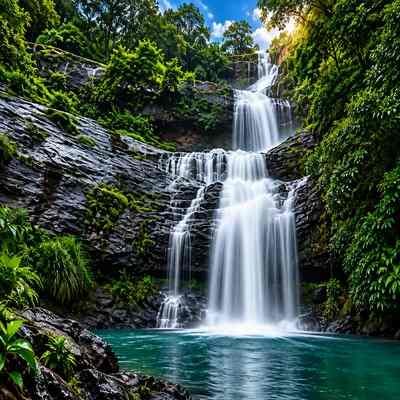
Pandikuzhi is another attractive location in the wider Thekkady region, known for its greenery, rolling hills, and seasonal waterfalls.
Its natural surroundings offer a peaceful contrast to the busier tourism areas near Periyar Lake.
These destinations are especially enjoyable for couples, nature lovers, and travellers who prefer scenic countryside excursions.
Road and viewpoint access may vary during heavy rainfall, so visitors should confirm local conditions before planning trips to more remote areas.
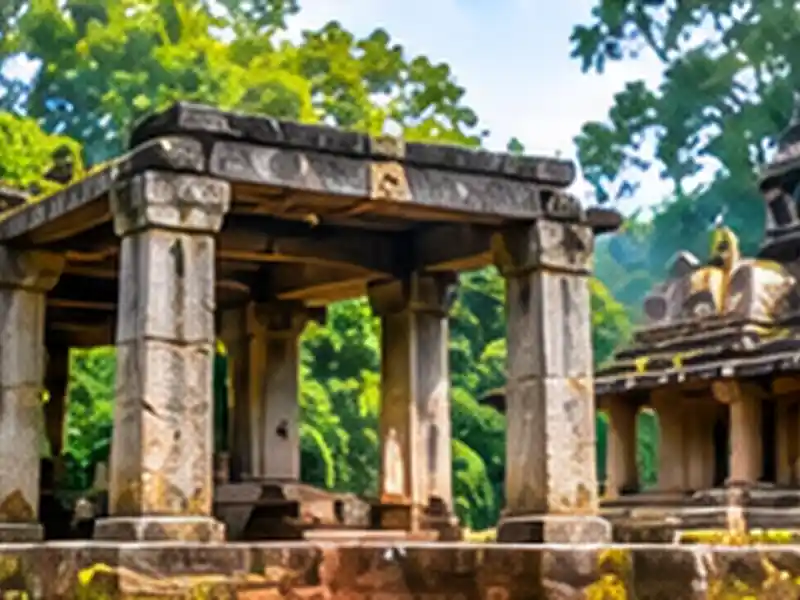
Mangala Devi Kannagi Temple is one of the most historically significant landmarks associated with the Periyar forest landscape.
Located in a protected hill area near the Kerala–Tamil Nadu border, the temple is traditionally associated with Kannagi, a celebrated figure from the Tamil epic Silappathikaram.
The site reflects the cultural connections between Kerala and Tamil Nadu and holds religious significance for devotees from both states.
Its hilltop setting provides beautiful views of the surrounding forested mountains and valleys.
Unlike conventional temples that remain open to tourists throughout the year, public access to Mangala Devi Temple is highly restricted.
The temple is generally accessible to authorised visitors during the annual Chithra Pournami festival, subject to permissions and arrangements made by the relevant authorities.
Special vehicles, entry procedures, and forest regulations may apply during the festival.
Travellers should not plan an independent visit without confirming the official access arrangements.
For visitors interested in regional history and religious heritage, the temple represents an important part of Thekkady's wider cultural landscape.
Thekkady offers cultural experiences that introduce visitors to the artistic traditions of Kerala.
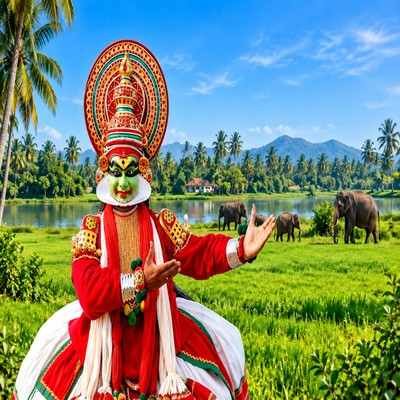
Kathakali, a classical dance-drama form, is known for its elaborate costumes, expressive facial movements, traditional music, and storytelling techniques.
Performances often draw inspiration from Indian epics and traditional narratives, presenting stories through a distinctive combination of movement, gesture, and visual expression.
Kalaripayattu, Kerala's traditional martial art, is another popular cultural experience available at selected performance venues around Kumily and Thekkady.
Demonstrations may feature trained practitioners performing coordinated movements, traditional combat techniques, and controlled martial displays.
These performances provide an opportunity to learn about cultural traditions that have developed over centuries.
Visitors can also explore local handicrafts, regional clothing, music, and everyday cultural practices through organised experiences.
Performance schedules and ticket arrangements vary between venues, making advance verification useful during busy travel periods.
Including a cultural evening in a Thekkady itinerary adds variety to a holiday otherwise focused on forests and outdoor activities.
Thekkady's culinary identity is shaped by Kerala's rich spice-growing traditions and the agricultural products of the Idukki highlands.
Local cuisine commonly uses black pepper, cardamom, cloves, cinnamon, curry leaves, coconut, and other aromatic ingredients.
Visitors can enjoy regional Kerala dishes such as appam with stew, puttu with kadala curry, Kerala-style fish curry, and traditional vegetarian meals.
The town's restaurants also serve a variety of South Indian dishes, making it convenient for travellers with different dietary preferences.
Thekkady's spice markets provide opportunities to discover ingredients used in traditional cooking and learn about their cultivation.
Some plantation-based experiences may offer demonstrations or tastings that introduce visitors to the relationship between local agriculture and Kerala cuisine.
Freshly prepared tea, coffee, and regional snacks are popular choices after sightseeing or forest activities.
Exploring local food adds a memorable sensory dimension to Thekkady, connecting the destination's natural environment with its cultural traditions.
Thekkady offers varied experiences for travellers with different interests.
Families can enjoy boat safaris on Periyar Lake, guided spice plantation tours, scenic viewpoints, and cultural performances.
Couples can explore peaceful forest surroundings, stay in plantation-themed resorts, experience relaxing nature walks, and enjoy scenic drives through the surrounding hills.
Wildlife enthusiasts can participate in authorised forest programmes, observe birds and animals, and learn about the conservation of the Western Ghats.
Adventure travellers may prefer bamboo rafting, longer forest treks, and other organised outdoor activities.
Photographers can capture forest landscapes, mist-covered hills, traditional spice plantations, and wildlife whenever suitable opportunities arise.
Visitors interested in culture can explore Kumily's markets, attend Kerala cultural performances, and discover regional food traditions.
The destination is particularly rewarding for travellers who appreciate nature-based experiences rather than fast-paced urban sightseeing.
A one-to-two-day stay is generally suitable for exploring Thekkady's main attractions, including Periyar Lake, a spice plantation, Kumily markets, and a cultural performance.
Travellers interested in guided nature walks, bamboo rafting, additional viewpoints, or longer forest experiences may prefer two to three days.
October to March is generally one of the most comfortable periods for visiting Thekkady, with pleasant conditions for wildlife tourism, plantation walks, and sightseeing.
March to May brings warmer temperatures, although the surrounding forests and higher elevation often provide a more refreshing environment than Kerala's lowland cities.
June to September receives significant southwest monsoon rainfall, creating beautiful green landscapes but increasing the possibility of slippery trails, heavy showers, and activity restrictions.
October and November may also experience rain associated with the northeast monsoon.
Travellers should check the availability of Periyar boating and eco-tourism programmes before finalising their itinerary, especially during weekends, holidays, and rainy weather.
Wildlife sightings cannot be guaranteed, so it is worth planning Thekkady as a broader nature and cultural experience rather than focusing only on seeing tigers or elephants.
Thekkady does not have its own airport or major railway station. Travellers commonly arrive through Madurai Airport or Cochin International Airport, or use Kottayam Railway Station before continuing by road.
The surrounding roads connect Thekkady with Munnar, Kottayam, Kochi, Madurai, and other major destinations in Kerala and Tamil Nadu.
With its protected forests, beautiful reservoir, fragrant spice plantations, cultural traditions, and scenic Western Ghats landscapes, Thekkady remains one of Kerala's most rewarding destinations for wildlife, nature, and cultural travel.

Explore more beautiful destinations in Kerala.
Explore more Thekkady and Kerala travel experiences.

Plan a memorable getaway with Travel Ride.
Helpful answers about Thekkady.
 14 Marvelous waterfalls in India
 19 Famous Temples in India
 10 Most Celebrated Festivals in South India
 Top 10 Backwaters Destinations in Kerala
 The splendrous waterfalls to soak your soul in Munnar