




Discover Serene Lakes, Mughal Gardens & Timeless Kashmiri Heritage
Surrounded by the beautiful mountains of the Kashmir Valley, Srinagar is one of India's most captivating travel destinations, celebrated for its tranquil lakes, magnificent Mughal gardens, traditional houseboats, and rich Kashmiri heritage. Located along the Jhelum River, Srinagar is the summer capital of Jammu and Kashmir and serves as an important cultural and tourism centre of the region. From the peaceful waters of Dal Lake to the historic streets of Downtown Srinagar, the city offers an unforgettable combination of natural beauty, cultural traditions, and scenic experiences.
Often described as the heart of Kashmir tourism, Srinagar attracts honeymoon couples, families, photographers, nature lovers, and cultural travellers throughout the year. Its distinctive landscape includes sparkling lakes, tree-lined boulevards, beautifully landscaped gardens, wooden houseboats, and impressive views of the Zabarwan Mountains.
Unlike destinations known primarily for mountain adventures, Srinagar offers a more leisurely experience built around lakeside sightseeing, traditional crafts, historic monuments, local cuisine, and peaceful boat rides. Whether you are planning a romantic Kashmir holiday, a family vacation, or an extended journey through the valley, Srinagar provides a memorable introduction to the region's natural and cultural beauty.
Srinagar stands apart from other Himalayan destinations because of its unique relationship with water, history, and traditional Kashmiri life. The city's beautiful lakes, historic gardens, riverside neighbourhoods, and cultural landmarks create a travel experience that combines sightseeing with authentic local discoveries.
Dal Lake is undoubtedly Srinagar's most recognisable attraction, where colourful shikaras glide across the water against a backdrop of mountain scenery. Traditional houseboats provide a distinctive accommodation experience, allowing visitors to appreciate the charm of Kashmir's famous lake culture.
Beyond the lakes, Srinagar is home to magnificent Mughal gardens, centuries-old religious monuments, traditional bazaars, and workshops producing exquisite Kashmiri handicrafts.
The city is also an excellent base for exploring nearby destinations such as Gulmarg, Pahalgam, and Sonamarg, making it a natural starting point for longer Kashmir itineraries.
Dal Lake is the centrepiece of Srinagar tourism and one of the most recognisable landscapes in the Kashmir Valley. Surrounded by the Zabarwan Mountains and scenic lakeside roads, the lake is famous for its traditional wooden houseboats, colourful shikaras, floating gardens, and beautiful reflections of the surrounding mountains.
A shikara ride provides an opportunity to explore the lake at a relaxed pace while admiring the distinctive lifestyle associated with Srinagar's waterways. Visitors can observe floating vegetable gardens, local vendors travelling by boat, and traditional wooden houses along the lake's quieter channels.
Early mornings are particularly appealing for photographers and travellers interested in experiencing the peaceful atmosphere of the lake. Sunrise often brings beautiful reflections, while evenings create a romantic setting as the changing light illuminates the water and surrounding hills.
Staying on a traditional houseboat is another popular experience. Many houseboats feature intricately carved wooden interiors, traditional Kashmiri furnishings, and views across the lake, making them a memorable alternative to conventional hotels.
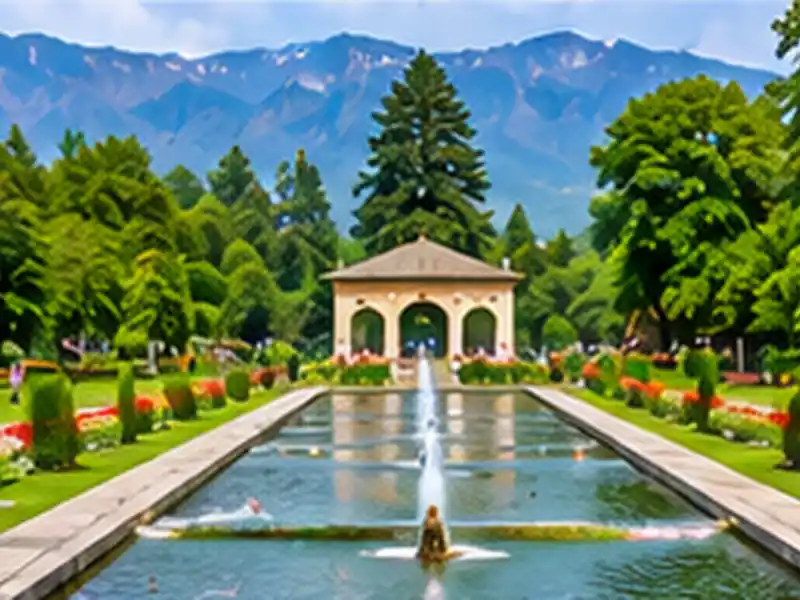
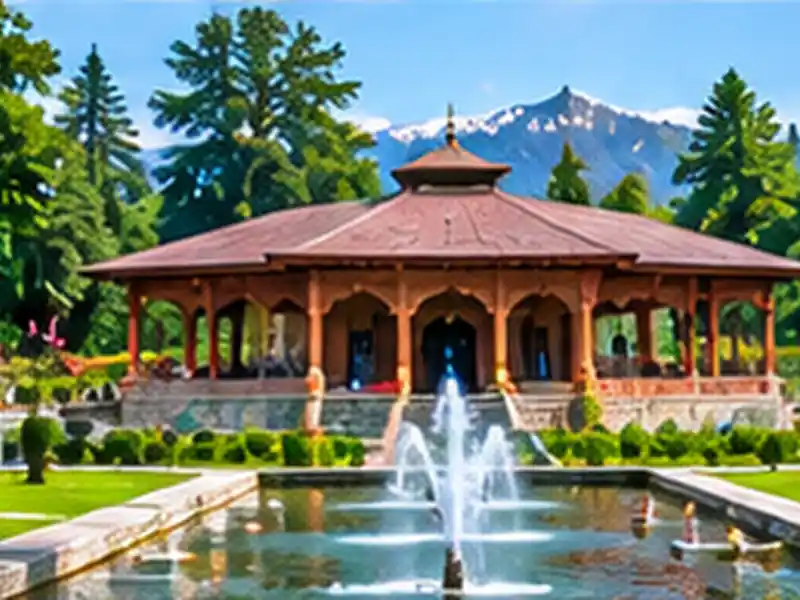
Srinagar is renowned for its historic Mughal gardens, which reflect the artistic traditions and landscape design of the Mughal period. These gardens combine elegant terraces, flowing water channels, fountains, flowering plants, and carefully arranged views of the surrounding mountains.
Nishat Bagh, situated along the eastern shore of Dal Lake, is famous for its terraced layout and beautiful views towards the Pir Panjal mountains. The garden is particularly attractive during spring, when flowers bloom against a backdrop of fresh greenery.
Shalimar Bagh is another important Mughal-era landmark, originally developed during the reign of Emperor Jahangir. Its historic pavilions, fountains, and landscaped pathways provide visitors with an opportunity to explore Kashmir's royal garden heritage.
Chashme Shahi, known for its natural spring and compact terraced garden design, is another popular attraction. Nearby Pari Mahal offers a different experience, with historic terraces overlooking Dal Lake and the surrounding city.
Together, these gardens make Srinagar one of India's most remarkable destinations for travellers interested in landscape architecture, history, and peaceful sightseeing.
Beyond its scenic lakes and gardens, Srinagar has a fascinating cultural identity shaped by centuries of history, religious traditions, and traditional urban architecture.
Downtown Srinagar, commonly known as Shehr-e-Khaas, contains historic neighbourhoods, traditional wooden buildings, narrow streets, and vibrant bazaars that reflect the city's longstanding heritage.
Jamia Masjid, located in the old city, is an important religious and architectural landmark known for its distinctive wooden construction and peaceful courtyard. Hazratbal Dargah, situated beside Dal Lake, is another significant spiritual destination and an important part of Kashmir's religious heritage.
Shankaracharya Temple, positioned on a hill overlooking the city, is dedicated to Lord Shiva and offers impressive views of Srinagar and Dal Lake. The temple is reached through a hill road followed by a flight of steps, making it an attractive destination for both pilgrims and visitors interested in panoramic scenery.
The combination of historic mosques, temples, traditional houses, and old markets makes Srinagar a rewarding destination for heritage exploration.
Srinagar is an important centre of traditional Kashmiri craftsmanship, with artistic skills passed down through generations. Visitors can discover beautiful handwoven carpets, papier-mâché decorative items, walnut wood carvings, embroidered textiles, and authentic Kashmiri shawls.
The city's traditional markets and workshops provide opportunities to learn about the craftsmanship behind these products. Areas such as Lal Chowk and the old city bazaars offer a lively shopping environment, while specialised workshops allow visitors to observe artisans at work.
Kashmiri cuisine is another essential part of the Srinagar travel experience. The region is particularly known for its elaborate Wazwan culinary tradition, featuring a variety of carefully prepared dishes.
Travellers can also try local specialities such as rogan josh, yakhni, dum aloo, and traditional Kashmiri breads. Kahwa, a fragrant tea prepared with spices and often garnished with nuts, is especially popular during cooler weather.
Exploring local cuisine and traditional craftsmanship adds cultural depth to a Srinagar holiday beyond conventional sightseeing.
Srinagar offers excellent opportunities for photography, nature exploration, and relaxed outdoor activities. The city's lakes, gardens, mountain viewpoints, and tree-lined roads create beautiful scenery throughout the year.
Nigeen Lake is a quieter alternative to the busier areas of Dal Lake and is popular among travellers seeking peaceful waterside surroundings. Its houseboats and scenic lake views offer an enjoyable setting for relaxation.
During spring, the Indira Gandhi Memorial Tulip Garden becomes one of Srinagar's major seasonal attractions. Located near the foothills of the Zabarwan Range, the garden is celebrated for its colourful tulip displays during the annual flowering period.
Autumn brings another remarkable transformation as Srinagar's famous chinar trees turn shades of gold, orange, and red. Gardens and avenues become particularly attractive for photography during this season.
Travellers interested in nature can also plan excursions towards Dachigam National Park, subject to current visitor permissions and access arrangements.
Srinagar offers a balanced holiday experience for different types of travellers. Honeymoon couples can enjoy romantic shikara rides, traditional houseboat stays, peaceful lakeside walks, and scenic evenings overlooking Dal Lake.
Families can explore the Mughal gardens, enjoy boat rides, visit historical landmarks, and discover local shopping areas without needing physically demanding mountain adventures.
Cultural travellers can experience traditional Kashmiri architecture, historic religious sites, handicraft workshops, and authentic regional cuisine.
Photographers and nature enthusiasts will also find countless opportunities to capture mountain reflections, colourful gardens, traditional boats, and seasonal landscapes.
Srinagar's combination of scenic beauty, cultural heritage, and comfortable sightseeing makes it particularly suitable for travellers exploring Kashmir for the first time.
A two-to-three-day stay is generally suitable for exploring Srinagar's major attractions, including Dal Lake, Nishat Bagh, Shalimar Bagh, Pari Mahal, Shankaracharya Temple, and the traditional markets of the old city.
Travellers planning day trips to Gulmarg, Pahalgam, or Sonamarg should allow additional days, as these destinations involve separate road journeys and deserve sufficient sightseeing time.
March to May is especially popular for spring flowers and pleasant weather, while June to August offers green landscapes and enjoyable lake experiences. September to November brings beautiful autumn colours, and December to February attracts travellers interested in cold-weather scenery and occasional snowfall.
Visitors should carry appropriate clothing according to the season, confirm the availability of seasonal attractions, and check local transport conditions before planning excursions.
With its beautiful lakes, traditional houseboats, historic Mughal gardens, fascinating cultural heritage, and captivating Himalayan surroundings, Srinagar remains one of the most rewarding destinations for experiencing the timeless beauty of Kashmir.




Explore more beautiful destinations in Kashmir.
Explore more Srinagar and Kashmir travel experiences.


Plan a memorable getaway with Travel Ride.
Helpful answers about Srinagar.
Every season of this beautiful place has its charm but the best time to explore the summer capital of beautiful Jammu and Kashmir is during the summer months that is between March to June when the weather is pleasant and is preferable to visit and explore exotic places in Srinagar. The temperature in the daytime never goes beyond 25°C and nights here are mildly chilly. If visitors want to explore in winter then the months from October to December are the apt time to plan a trip to this fabulous place.
Srinagar is truly a dream destination for all vacationers including honeymooners. Here you can enjoy activities like an aero balloon ride, Golfing, birdwatching, and nature walking, and one can also explore the old part of Srinagar.
Apart from the exquisite sites, this beautiful place captures one’s attention with its colorful and exotic festivals. Some of the magnificent attractions at Srinagar are Dal Lake, Shankaracharya Temple, Nigeen Lake, Jamia Masjid, Pari Mahal, Shalimar Bagh, Tulip Garden, Hazratbal Shrine, Kheer Bhawani Temple and Chashme Shahi.
The airport- Sheikh-ul-Alam in Srinagar is an international airport and enjoys a good connection with all major cities of India. It offers regular flights from Srinagar to Delhi, Mumbai, Chandigarh, and Leh. The airport is about 15 km away from the city center. The Jammu Tawi and the Udhampur railway stations are the nearest railway stations to Srinagar. Jammu Tawi is about 271km from Srinagar and Udhampur railway station is about 200km from Srinagar.
There are ample options where you can stay on your Srinagar tour. You can plan your night stay in a houseboat in Dal Lake that is available at a very affordable price range. Other than this there are a variety of hotels from luxury hotels to Budget available in Srinagar.
Srinagar is very much associated with urban areas like Delhi, Jammu, and Chandigarh by the street. One can enlist JKSRTC transports to head out to and from the city. Some to list - Jamna Travels Jammu, Moon Light Travels Katra, and a few other transports as well. Srinagar has a generally excellent organization of roadways. NH 1A roadway interfaces the valley to the remainder of India though NH 1D associates it with Leh. There are no immediate transports from any city to arrive at Srinagar. So on the off chance that one is arranging an outing to Srinagar, at that point, one needs to take transport for Jammu and afterward get the State transport to Srinagar which requires around seven hours to arrive at Srinagar.
 The Enchanting Vacation In Top Hill Station In India
 5 Best Places to visit in India in summer
 Top Tourism destinations for your next trip to India
 Top 15 Charming destinations for a perfect honeymoon Trip in India
 Top 10 Skiing destinations to glide over snow in India