



Discover Endless Tea Gardens, Misty Valleys & the Enchanting Western Ghats
Nestled in the picturesque Western Ghats of Kerala, Munnar is one of South India's most beautiful hill stations, celebrated for its endless tea plantations, mist-covered valleys, rolling green hills, spectacular waterfalls, and refreshing mountain climate. Located in the Idukki district at an elevation of approximately 1,600 metres above sea level, Munnar attracts honeymoon couples, families, nature lovers, photographers, and adventure enthusiasts seeking a peaceful escape into the mountains. From exploring lush tea estates and scenic lakes to discovering rare wildlife in Eravikulam National Park, Munnar offers an unforgettable combination of natural beauty, outdoor experiences, and traditional Kerala culture.
The name Munnar is associated with the meeting of three mountain streams—Mudrapuzha, Nallathanni, and Kundala. During the colonial period, the region developed into a highland retreat and an important centre for plantation agriculture. Today, its sweeping tea-covered landscapes and beautiful mountain scenery make it one of Kerala's most recognisable tourist destinations.
Unlike Kerala's coastal and backwater destinations, Munnar offers a completely different holiday experience shaped by cool mountain air, winding hillside roads, forested valleys, and expansive tea gardens. Visitors can explore Mattupetty Dam, admire breathtaking views from Top Station, discover the tea-making process at the Kannan Devan Hills Plantation Tea Museum, and enjoy nature experiences around the surrounding hills.
Whether you are planning a romantic honeymoon, a relaxing family holiday, or a scenic road trip through Kerala, Munnar provides memorable experiences throughout the year.
Munnar is one of India's most rewarding hill stations because of its extraordinary combination of plantation landscapes, scenic viewpoints, protected wildlife habitats, and peaceful mountain surroundings.
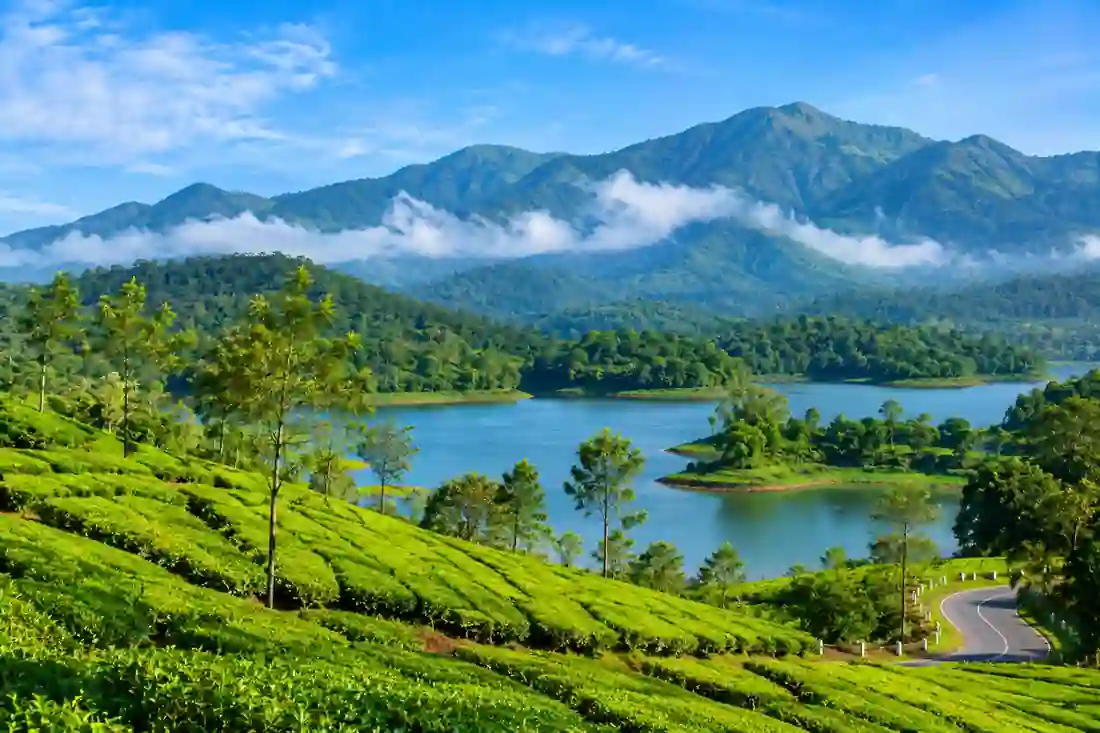
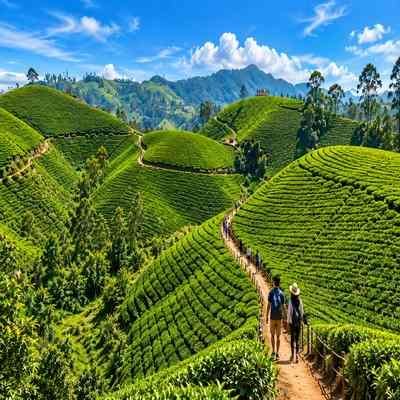
The destination is particularly famous for its beautifully maintained tea estates, where rows of tea bushes cover the slopes in striking green patterns. These plantations create some of the most photographed landscapes in Kerala and offer visitors an opportunity to discover the region's longstanding tea-growing traditions.
Beyond the plantations, Munnar is surrounded by forested hills, waterfalls, reservoirs, and protected natural areas that provide opportunities for sightseeing, birdwatching, and guided outdoor experiences.
The region also offers a fascinating contrast between cultivated tea landscapes and the natural shola forests and grasslands of the Western Ghats.
Visitors can explore popular attractions such as Eravikulam National Park, Mattupetty Dam, Top Station, Kundala Lake, and the Tea Museum while enjoying the beautiful scenery along the connecting mountain roads.
Tea cultivation plays a central role in Munnar's landscape, history, and local economy. The region's high elevation, abundant rainfall, and relatively cool climate provide favourable conditions for growing tea.
The surrounding hills are covered with extensive tea estates, creating beautiful patterns of green plantations stretching across valleys and mountain slopes.
Travellers can admire these landscapes from public viewpoints and designated plantation areas. Some estates also offer guided visits, allowing visitors to understand how tea plants are cultivated, harvested, and processed.
The Kannan Devan Hills Plantation Tea Museum, commonly called the Munnar Tea Museum, provides insights into the development of the region's tea industry.
Located at the Nallathanni Estate, the museum features historical photographs, equipment, and exhibits associated with tea cultivation and processing.
Visitors can learn about the different stages of production, from freshly plucked leaves to the finished tea, and discover how plantation agriculture influenced Munnar's development.
Tea-tasting experiences and local shops also provide opportunities to explore varieties of Kerala tea and purchase regional products.
For travellers interested in photography, the plantation landscapes are particularly attractive during the early morning, when mist often settles over the hills.
Eravikulam National Park is one of the most important natural attractions near Munnar and a significant protected habitat within the Western Ghats.
Spread across approximately 97 square kilometres, the park is known for its high-altitude grasslands, shola forests, beautiful mountain scenery, and population of the endangered Nilgiri tahr.
The Nilgiri tahr is a mountain-dwelling ungulate native to the southern Western Ghats. Eravikulam provides an important protected environment for this distinctive species.
Visitors can explore designated tourist areas, particularly around Rajamala, where scenic grassland landscapes and mountain viewpoints create memorable wildlife experiences.
The park is also associated with Neelakurinji, a flowering plant known for its mass blooms at intervals of approximately twelve years in suitable habitats.
Anamudi, the highest peak in South India at approximately 2,695 metres, is located within the protected landscape. General visitors cannot freely trek to its summit, and access to restricted areas requires appropriate forest permissions.
Eravikulam National Park may close during the Nilgiri tahr calving season and during periods of unsuitable weather. Travellers should check official access arrangements before scheduling their visit.
For nature enthusiasts, the park provides an opportunity to appreciate Munnar's remarkable biodiversity beyond its famous tea gardens.
Mattupetty Dam is among Munnar's most popular sightseeing attractions, located approximately 13 kilometres from the main town.
Surrounded by forested hills, tea plantations, and green mountain scenery, the dam creates a beautiful reservoir that attracts families, couples, and nature lovers.
Visitors can admire the surrounding landscape from designated viewpoints and enjoy boating activities when services are operating.
The calm waters and reflections of the nearby hills make Mattupetty particularly attractive for photography, especially during clear weather.
The surrounding route also connects several other scenic attractions, including Echo Point, Kundala Lake, and Top Station.
Kundala Lake offers another peaceful setting bordered by green hills and plantation landscapes. Depending on availability, visitors can enjoy recreational boating and relaxing lakeside sightseeing.
These attractions form a convenient sightseeing circuit, allowing travellers to explore multiple mountain viewpoints and water bodies during a single excursion.
The combination of reservoirs, tea-covered slopes, and forested hills makes the Mattupetty region one of the most enjoyable parts of a Munnar holiday.
Top Station is one of the most spectacular viewpoints around Munnar, situated approximately 32 kilometres from the main town.
Located at an elevation of around 1,700 metres, it is known for its breathtaking views of the surrounding Western Ghats and the valleys extending towards Tamil Nadu.
The viewpoint takes its name from its historical connection with the region's plantation transport system, when the area served as an upper terminal of a ropeway used for moving tea and other goods.
Today, travellers visit Top Station to experience expansive mountain scenery, cool highland air, and beautiful views of the surrounding slopes.
On clear days, the viewpoint offers impressive vistas of distant valleys and layered mountain ranges. During misty weather, clouds may cover the landscape and reduce visibility, creating a completely different atmosphere.
The drive towards Top Station is itself an enjoyable experience, passing through tea estates, forested hills, and scenic locations such as Mattupetty and Kundala.
Visitors planning photography should consider the weather forecast, as clear visibility is not guaranteed throughout the day.
Top Station is especially appealing to couples, photographers, and travellers interested in enjoying Munnar's mountain landscapes without undertaking a lengthy trek.
Munnar's natural beauty extends beyond its plantations and viewpoints to include beautiful waterfalls, mountain streams, and forested landscapes.
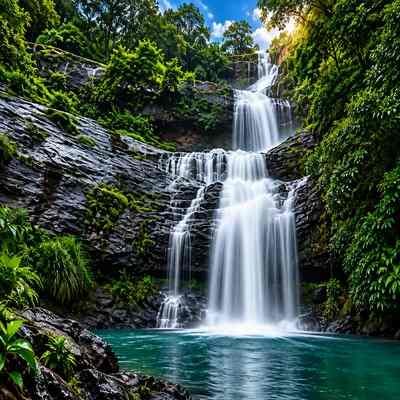
Attukal Waterfalls is one of the region's attractive waterfall destinations, surrounded by green hills and rocky terrain. Seasonal rainfall influences the water flow, making the scenery especially dramatic during wetter months.
The Chinnakanal area is another popular sightseeing region, known for scenic waterfalls and expansive views of the Western Ghats.
Lakkam Waterfalls, situated along the route towards Marayoor, offers another opportunity to experience flowing mountain water and the natural beauty of the surrounding forests.
Visitors should follow official safety instructions and avoid entering waterfalls, streams, or slippery rocky areas where access is restricted.
The landscapes around Munnar also contain shola forests, grasslands, and areas of high ecological importance.
These natural environments support a variety of birds, butterflies, plants, and wildlife, making the region particularly attractive to nature enthusiasts.
Responsible sightseeing is essential, especially near protected habitats where unauthorised trekking, littering, and disturbance of wildlife can damage the environment.
Munnar offers exciting outdoor experiences for travellers who want to explore the Western Ghats beyond conventional sightseeing.
The surrounding highlands provide opportunities for guided trekking, nature walks, camping in designated areas, and scenic photography excursions.
Meesapulimala is one of the region's well-known trekking destinations, recognised for its beautiful high-altitude landscapes and panoramic mountain views.
Access to the trek is regulated, and visitors should use authorised arrangements and follow forest department instructions.
Kolukkumalai is another popular excursion, known for its high-elevation tea estates and sunrise viewpoints. Reaching the area often involves a rough mountain road, so travellers should choose suitable transport and experienced local drivers.
Less demanding experiences include walking through designated plantation trails, exploring village roads, and visiting scenic viewpoints around Pothamedu and Lockhart Gap.
Munnar's weather can change quickly, particularly in the higher hills. Visitors should carry suitable clothing, use appropriate footwear, and avoid risky outdoor activities during heavy rainfall.
For adventure enthusiasts, Munnar offers a rewarding combination of beautiful landscapes and carefully managed mountain experiences.
One of Munnar's most fascinating natural features is the Neelakurinji flower, associated with the high-altitude grasslands of the Western Ghats.
Certain Neelakurinji populations are known for mass flowering at intervals of approximately twelve years, transforming suitable hillsides into shades of blue and purple.
The flowering cycle is a remarkable ecological event, but visitors should not expect the flowers to bloom annually or assume that all parts of Munnar flower at the same time.
Munnar's grassland and shola ecosystems also support numerous native plant and animal species, making the region important for biodiversity conservation.
Protected landscapes such as Eravikulam National Park help safeguard these environments, including the habitat of the endangered Nilgiri tahr.
Visitors interested in natural history can learn about the significance of the Western Ghats, their distinctive ecosystems, and the challenges of conserving mountain habitats.
Travellers should avoid entering restricted areas or disturbing natural vegetation while exploring the region.
Munnar's local markets provide opportunities to discover regional products and experience the everyday culture of Kerala's highland communities.
Tea is among the most popular items purchased by visitors, with local shops offering a range of varieties produced in the surrounding estates.
The town is also known for shops selling spices, homemade-style chocolates, aromatic oils, and locally inspired souvenirs.
Travellers can explore the main market area, visit selected plantation outlets, and learn about products associated with Kerala's hill districts.
Munnar's cuisine reflects the broader food traditions of Kerala, with dishes prepared using rice, coconut, vegetables, spices, and regional ingredients.
Popular options include appam, puttu, idiyappam, Kerala-style curries, and traditional vegetarian meals.
Local cafés and restaurants also serve a variety of Indian and international dishes, making the town accessible to visitors with different food preferences.
Exploring these everyday experiences adds cultural interest to a holiday otherwise focused on mountain scenery.
Munnar is a versatile destination that appeals to different types of travellers.
Honeymoon couples can enjoy romantic plantation views, mist-covered mountain landscapes, peaceful hillside resorts, and scenic sunrise experiences.
Families can explore Mattupetty Dam, Kundala Lake, the Tea Museum, and accessible viewpoints while enjoying comfortable sightseeing.
Nature enthusiasts can discover the remarkable ecosystems of Eravikulam National Park, admire beautiful waterfalls, and participate in authorised outdoor excursions.
Photographers can capture the geometric patterns of tea estates, dramatic mountain clouds, green valleys, and scenic lakes.
Adventure travellers can explore guided trekking routes and mountain excursions suited to their experience and physical ability.
The destination is particularly rewarding for visitors seeking a relaxing holiday surrounded by greenery and cool mountain air.
A two-to-three-day stay is generally sufficient for exploring Munnar's major attractions, including tea plantations, Eravikulam National Park, Mattupetty Dam, Kundala Lake, Top Station, and the Tea Museum.
Travellers planning additional excursions to Kolukkumalai, Meesapulimala, Marayoor, or the Chinnakanal region may prefer three to four days.
October to March is generally a comfortable period for sightseeing, with cooler temperatures and favourable conditions for exploring plantation landscapes and mountain viewpoints.
March to May is also popular among travellers seeking relief from the heat of the plains. The weather is comparatively mild, although popular attractions can become crowded during school holidays.
June to September brings significant southwest monsoon rainfall, creating lush green landscapes but also increasing the risk of landslides, slippery roads, and disruptions to outdoor activities.
October and November may still experience rainfall associated with the northeast monsoon.
Visitors should carry a light jacket, comfortable walking shoes, and suitable rain protection according to the season.
Since Munnar's attractions are spread across different mountain roads, travellers should plan their sightseeing by route rather than attempting to cover every location in a single day.
Eravikulam National Park may close seasonally to protect wildlife, while forest treks and boating facilities are subject to local operating conditions.
Munnar does not have its own airport or railway station. Travellers generally arrive through Cochin International Airport or Aluva Railway Station and complete the remaining journey by road.
With its breathtaking tea plantations, peaceful valleys, remarkable wildlife, beautiful mountain lakes, and distinctive highland atmosphere, Munnar remains one of Kerala's most memorable destinations for a scenic and relaxing holiday.





Explore more beautiful destinations in Kerala.
Explore more Munnar and Kerala travel experiences.


Plan a memorable getaway with Travel Ride.
Helpful answers about Munnar.
 5 Best places to visit in winter in India
 14 Marvelous waterfalls in India
 10 Most Celebrated Festivals in South India
 Top 15 Charming destinations for a perfect honeymoon Trip in India
 Top 10 Backwaters Destinations in Kerala
 The splendrous waterfalls to soak your soul in Munnar