




Discover Golden Forts, Endless Sand Dunes & the Royal Charm of the Thar Desert
Rising from the golden sands of the Thar Desert, Jaisalmer is one of Rajasthan's most extraordinary heritage destinations, famous for its magnificent sandstone fort, intricately carved havelis, sweeping desert landscapes, and vibrant Rajasthani culture. Popularly known as the Golden City, Jaisalmer is located in western Rajasthan, close to the India–Pakistan border. Its distinctive yellow sandstone buildings glow beautifully under the desert sunlight, creating a remarkable cityscape that reflects centuries of royal history, traditional craftsmanship, and desert life.
Founded in 1156 CE by Rawal Jaisal, Jaisalmer developed into an important trading centre along historic routes connecting India with regions farther west. Its wealthy merchants, powerful rulers, and skilled artisans contributed to the construction of impressive palaces, temples, mansions, and fortified structures that continue to define the city today.
Unlike many other historical destinations, Jaisalmer offers a unique combination of living heritage and desert adventure. Visitors can explore the narrow streets of Jaisalmer Fort, admire the exquisite carvings of Patwon Ki Haveli, enjoy peaceful evenings beside Gadisar Lake, and experience camel safaris across the Sam Sand Dunes.
Whether you are planning a romantic desert getaway, a family holiday, a heritage exploration, or an adventurous Rajasthan road trip, Jaisalmer offers unforgettable experiences shaped by its history, architecture, landscapes, and cultural traditions.
Jaisalmer is one of India's most distinctive travel destinations because it combines medieval architecture, traditional desert communities, spectacular sand dunes, and rich regional culture within a single journey.
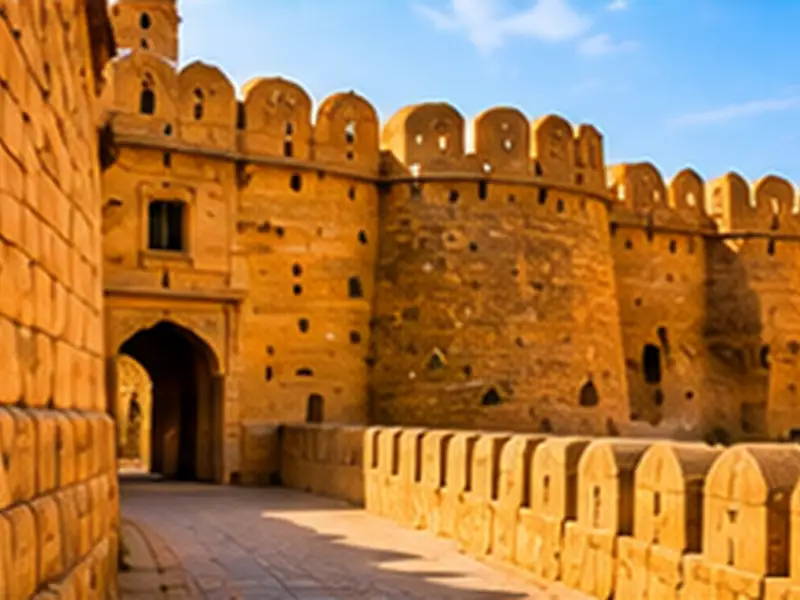
The city's most recognisable landmark is Jaisalmer Fort, also known as Sonar Quila or the Golden Fort. Unlike many historic forts that function primarily as museums, Jaisalmer Fort remains a living settlement, with residents, temples, shops, restaurants, and historic houses located within its fortified walls.
Beyond the fort, the old city is filled with beautifully decorated havelis that demonstrate the artistic excellence of Rajasthan's sandstone craftsmen. Their finely carved windows, balconies, and decorative façades reveal the prosperity of Jaisalmer's merchant families.
The surrounding Thar Desert creates an entirely different experience, offering camel rides, desert camping, cultural evenings, and scenic sunset views over rolling dunes.
Jaisalmer is especially rewarding for travellers seeking a combination of heritage sightseeing, photography, local cuisine, and authentic desert experiences.
Jaisalmer Fort is the historical and architectural heart of the city. Built during the 12th century, this magnificent sandstone fortress rises above the surrounding settlement and remains one of Rajasthan's most remarkable heritage landmarks.
Recognised as part of the UNESCO World Heritage Site Hill Forts of Rajasthan, Jaisalmer Fort is celebrated for its defensive architecture, historic significance, and continuing residential life.
The fort's massive walls, gateways, temples, and traditional houses reflect centuries of architectural development. Visitors can walk through narrow stone-paved lanes, explore historic viewpoints, and admire traditional buildings decorated with intricate sandstone carvings.
The fort also contains beautiful Jain temples, many associated with the medieval period. These religious structures are particularly admired for their delicately carved pillars, ornate ceilings, and detailed sculptures.
One of the most memorable aspects of visiting Jaisalmer Fort is experiencing a historic neighbourhood that continues to support everyday life. Local residents, small shops, traditional businesses, and cultural landmarks coexist within the ancient fortifications.
Travellers should explore the area respectfully, as much of the fort remains a residential community rather than an open-air museum.
Jaisalmer is renowned for its extraordinary havelis, many of which were constructed by wealthy merchants involved in regional trade during the 18th and 19th centuries.
These historic mansions feature elaborately carved façades, delicate stone screens, decorative balconies, and beautiful courtyards that demonstrate the skill of local artisans.
Patwon Ki Haveli is among the most famous architectural attractions in Jaisalmer. The complex consists of five historic mansions, each displaying remarkable sandstone craftsmanship and detailed ornamental designs.
Nathmal Ki Haveli is another impressive landmark, recognised for its intricately decorated exterior and a fascinating combination of architectural influences. The building is especially admired for the fine workmanship visible across its façade.
Salim Singh Ki Haveli is known for its distinctive upper structure, projecting balconies, and unusual roofline, making it a memorable example of traditional Jaisalmer architecture.
Exploring these havelis allows visitors to understand how prosperous merchant communities shaped the artistic and commercial identity of the Golden City.
The architectural details are particularly attractive to photographers, history enthusiasts, and travellers interested in traditional Indian craftsmanship.
One of the biggest attractions of Jaisalmer tourism is the opportunity to experience the vast landscapes of the Thar Desert.
The famous Sam Sand Dunes, situated approximately 40–45 kilometres from Jaisalmer city, are among the region's most popular desert excursion destinations.
Here, visitors can admire rolling sand formations, expansive desert horizons, and beautiful changes in the landscape as the sunlight shifts throughout the day.
Sunset is particularly popular, when warm golden light creates dramatic shadows across the dunes. Travellers can enjoy camel rides, guided jeep safaris, and photography experiences through authorised local operators.
The surrounding desert region also offers opportunities to discover traditional settlements, observe desert vegetation, and learn about the lifestyle of communities living in this arid environment.
For travellers seeking a quieter experience, the Khuri area provides an alternative setting for desert excursions and traditional village experiences.
Whether you choose a short sunset safari or an overnight desert stay, the Thar Desert adds a remarkable adventure element to a Jaisalmer holiday.
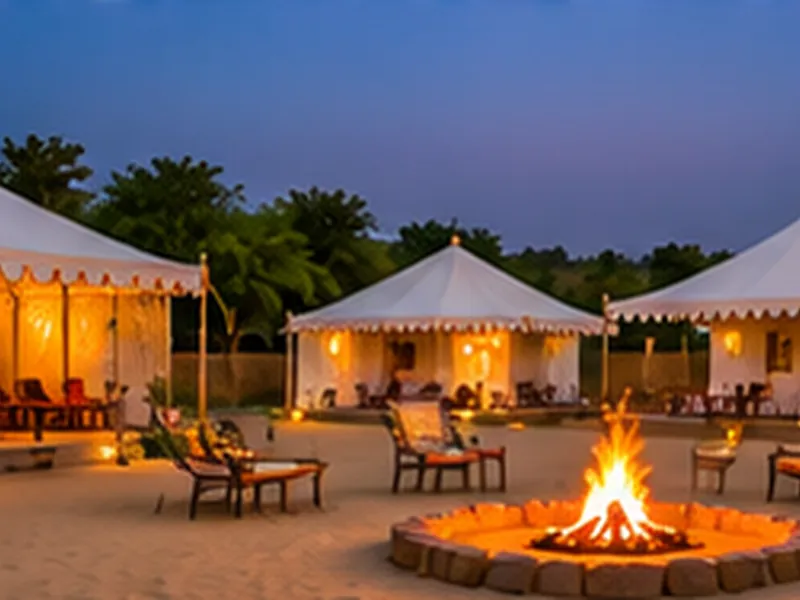
An overnight desert camp is one of the most popular experiences in Jaisalmer, combining desert scenery with regional hospitality and traditional Rajasthani entertainment.
Many camps around Sam and Khuri offer accommodation in tents or cottages, with facilities varying from simple traditional arrangements to more comfortable stays.
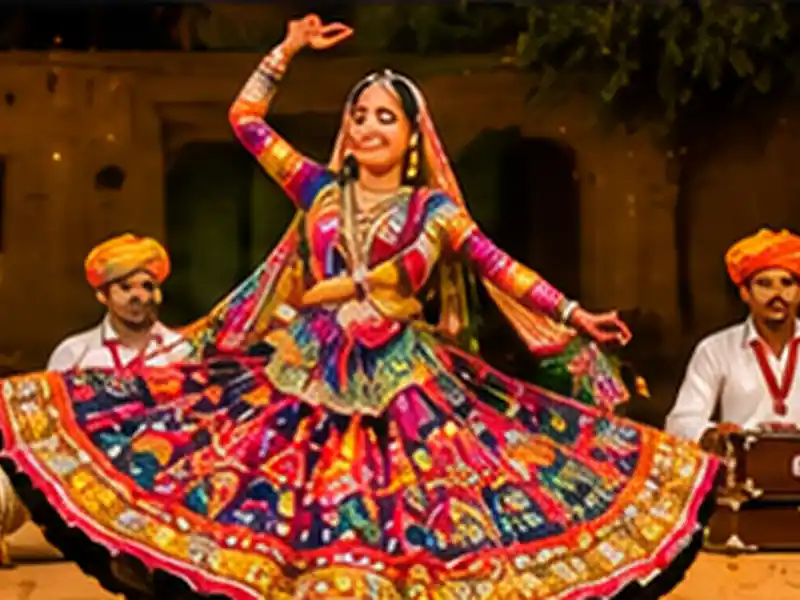
Evening programmes may include folk music, traditional dance performances, local cuisine, and opportunities to relax beneath the desert sky.
Rajasthani folk traditions, including performances associated with the Manganiyar and Langa musical communities, form an important part of the region's cultural identity.
The sound of traditional instruments and the atmosphere of an outdoor performance can create a memorable introduction to the music of western Rajasthan.
Visitors can also enjoy stargazing on clear nights, particularly in areas away from strong artificial lighting.
When selecting a desert camp, travellers should consider cleanliness, safety, environmental practices, and whether the advertised cultural activities are actually included.
Although Jaisalmer is surrounded by an arid desert landscape, the city also contains historic water structures that demonstrate the importance of water conservation in Rajasthan.
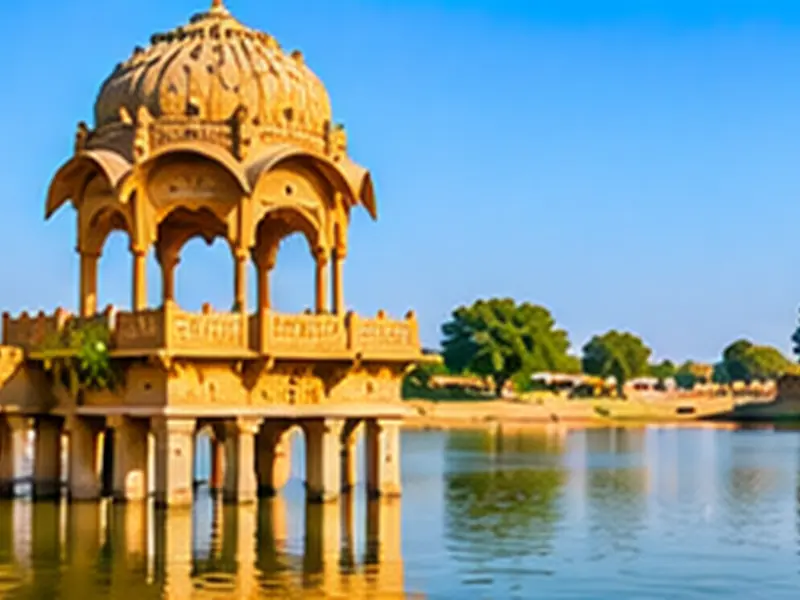
Gadisar Lake is one of its most beautiful and historically significant attractions. Constructed as a water reservoir and later developed by Jaisalmer's rulers, the lake once played an important role in meeting the city's water requirements.
Today, it is a peaceful sightseeing destination surrounded by sandstone temples, carved pavilions, traditional gateways, and scenic waterfront views.
Visitors can walk along the lakeside, admire the historic structures, and enjoy boating when services are available.
The elegant Tilon Ki Pol gateway is one of the most recognisable architectural features near the entrance to the lake.
Early mornings and late afternoons are particularly attractive for photography, when the golden sandstone structures reflect warm sunlight.
Gadisar Lake offers a refreshing contrast to Jaisalmer's crowded markets and expansive desert landscapes.
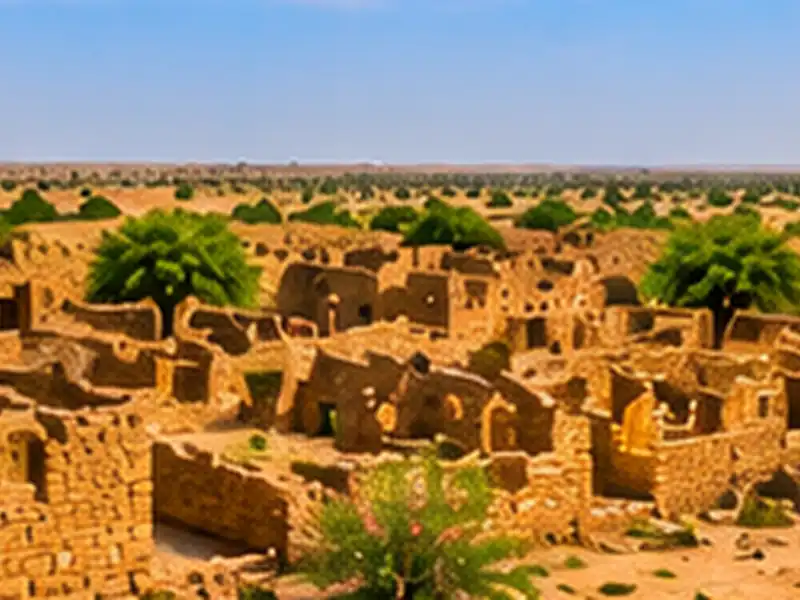
Located approximately 18 kilometres from Jaisalmer, Kuldhara is a historic abandoned settlement known for its weathered sandstone houses, narrow lanes, and mysterious local stories.
The village is traditionally associated with the Paliwal Brahmin community, whose departure has inspired various legends that continue to attract visitors.
Although popular accounts describe Kuldhara as a haunted village, these supernatural claims are folklore rather than established historical facts.
Today, the remains of the settlement offer an opportunity to observe traditional desert architecture and reflect on the challenges of life in an arid environment.
Visitors can explore the surviving structures, observe old building layouts, and photograph the surrounding desert scenery.
Kuldhara is particularly interesting for history enthusiasts and travellers seeking attractions beyond Jaisalmer's main tourist circuit.
The village can be included in a broader excursion towards Sam Sand Dunes, depending on the selected route and available time.
Jaisalmer's lively bazaars showcase the craftsmanship, textile traditions, and artistic heritage of western Rajasthan.
The markets around the fort and old city are filled with shops selling embroidered textiles, traditional clothing, leather products, decorative handicrafts, silver jewellery, and locally inspired souvenirs.
Sadar Bazaar and Bhatia Market are among the areas where visitors can explore a variety of traditional goods and everyday shopping experiences.
The city's artisans are particularly known for decorative embroidery, mirrorwork, and handcrafted products influenced by desert culture.
Travellers can also purchase colourful turbans, traditional Rajasthani accessories, and sandstone-inspired decorative items.
Walking through the old markets offers a chance to experience local life while admiring the narrow streets and traditional architecture that make Jaisalmer distinctive.
Visitors interested in handmade products should ask about the materials and craftsmanship involved, as not every item sold in tourist markets is locally produced.
Jaisalmer's cuisine reflects the resourcefulness of communities living in the dry landscapes of western Rajasthan.
Traditional dishes often use locally available grains, lentils, dried vegetables, and spices that suit the region's climate and culinary history.
Dal Baati Churma is one of Rajasthan's best-known dishes, combining baked wheat dumplings with lentils and a sweet preparation of crushed wheat.
Ker Sangri is another distinctive regional speciality, traditionally prepared using desert berries and beans with spices.
Travellers can also enjoy Gatte Ki Sabzi, Bajra Roti, Papad Ki Sabzi, and traditional Rajasthani thalis at local restaurants.
Sweet dishes and snacks add another dimension to the food experience, while many desert camps serve meals inspired by regional cooking traditions.
Exploring local cuisine allows visitors to discover the connection between Jaisalmer's natural environment, agricultural practices, and everyday cultural life.
Jaisalmer offers memorable experiences for travellers with different interests and travel styles.
Couples can enjoy romantic desert sunsets, peaceful heritage walks, scenic lakeside evenings, and overnight stays in desert camps.
Families can explore historic forts, admire traditional havelis, enjoy cultural performances, and participate in suitable desert excursions.
Adventure travellers can experience guided jeep safaris, camel rides, and selected outdoor activities in the surrounding desert.
History enthusiasts will appreciate the city's medieval fortifications, sandstone architecture, Jain temples, and historic settlements.
Photographers can capture the beautiful contrast between golden buildings, colourful markets, traditional desert attire, and sweeping sand dunes.
The destination is particularly attractive for travellers looking to combine cultural sightseeing with a unique outdoor experience.
A two-to-three-day stay is generally suitable for exploring the main attractions of Jaisalmer, including Jaisalmer Fort, Patwon Ki Haveli, Gadisar Lake, and the Sam Sand Dunes.
Travellers who want to include Kuldhara Village, additional havelis, Jain temples, Khuri, and an overnight desert camp may prefer three to four days.
October to March is generally the best period for visiting Jaisalmer, when daytime temperatures are more comfortable for heritage walks and desert excursions.
December and January can bring chilly desert nights, so visitors planning overnight camping should carry warm clothing.
April to June is extremely hot, with intense afternoon temperatures that can make outdoor sightseeing uncomfortable. July to September receives limited and irregular monsoon rainfall, although occasional showers may briefly change the desert landscape.
Travellers should carry drinking water, sun protection, comfortable walking shoes, and suitable clothing for significant differences between daytime and nighttime temperatures.
Jaisalmer can be reached by air, railway, and road, with transport connections from major Rajasthan destinations such as Jodhpur, Bikaner, and Jaipur. Direct flight schedules may vary by season.
With its magnificent living fort, historic sandstone havelis, breathtaking desert landscapes, traditional music, and distinctive cultural identity, Jaisalmer offers one of Rajasthan's most memorable travel experiences.

Explore more beautiful destinations in Rajasthan.
Explore more Jaisalmer and Rajasthan travel experiences.


Plan a memorable getaway with Travel Ride.
Helpful answers about Jaisalmer.
Winters are the best months to visit Jaisalmer which is between October to March. The Weather at the hour of winter is agreeable which is fulfilling. Vacationers intending to visit Jaisalmer ought to keep away from summers as summers are practically unbearable. In February 3 days three-day-long Desert Festival is coordinated by the Rajasthan Tourism Department.
Jaisalmer witnesses summers with an average temperature of 44°C while on the other hand winters at Jaisalmer are gratifying with an average temperature ranging from 24°C to 5°C. Winter starts from November and lasts till March while summer starts from April and lasts until the end of August. September to October months witness little rain. These months are considered to be the monsoon months.
The railway station of Jaisalmer is very much associated with significant urban communities like Delhi and Jaipur. The trains which work straightforwardly from Delhi are Jaisalmer Express and Jodhpur Jaisalmer Express. After arriving at the Jaisalmer rail route station vacationers can take carts and cars to arrive at their location.
Jaisalmer city has much to offer to travelers visiting the splendid city. The main attractions of Jaisalmer are Jaisalmer Fort, Jaisalmer Government Museum, Jain temples, Bada Bagh, Desert National Park, Jaisalmer War Museum, Amar Sagar Lake, Vyas Chhatri, Gadisar Lake, Patwon ki Haveli, Kuldhara, Tanot Mata temple and Akal Wood Fossil Park.
The Jodhpur air terminal is the closest being 280km away from the city. The air terminal is all around associated with significant urban communities like – Bangalore, Mumbai, and Delhi. After arriving at the air terminal travelers can enlist a taxi or board Government or private transports to arrive at Jaisalmer.
Parasailing is common in the desert territories, and travelers having bold hearts can appreciate Kanoi parasailing. Paramotoring is one more experience action for the vacationer. It gives you a perspective of the golden dunes from high over the sky. The most exciting experience is Quad trekking.
The well-known desert camps are the Serai Royal desert camp and Prince desert camp where travelers can appreciate Rajasthani people's music and dance exhibitions and smorgasbord supper with mouth-watering local cuisines. Camel safari is one more intriguing movement. Vacationers can appreciate Camel safari and witness the rushes and tough magnificence of the desert.
The Desert Festival is commended for three days in February month. The travel industry branch of the Rajasthan government puts together a Desert celebration in the beautiful rises of the Thar desert in the Sam Dunes which is 42 km from the fundamental city of Jaisalmer consistently. Guests run over social occasions, camel races, turban-tying rivalries, and a lot more exercises that are coordinated in the Desert Festival. Visitors can enjoy the vibrant puppet shows, folk music, dance, camel polo matches, tug of war, and juggling.
The Desert National Park features all that is best of the Thar desert’s ecosystem and wildlife. Many species of animals like chinkara, desert fox, and blackbuck have their niches here in the park. The world’s heaviest flying bird the Great Indian Bustard can prominently be seen over here.
The city holds some pre-prominent business sectors to shop in – Manak Chowk, Pansari Bazaar, Sadar Bazaar, Bhatia Bazaar, Sonoran Ka Bas, Seema Gram, and Light Of The East. The shopaholics can look for reflecting work weaving, camel cowhide items, gems, Jaisalmer fossil stone, collectibles, floor coverings, cloaks, lights, and different things from the aforementioned markets.
 Why Visit Rajasthan With Family
 The Vibrant Desert Festival of Jaisalmer
 Pushkar Mela -The Reflection of Rajasthani Culture
 Famous Camping Sites in India
 Top Tourism destinations for your next trip to India
 Have a dip in the Royal past of Rajasthan with these Magnificent Forts.