




Where Majestic Forts Meet the Blue City
Jodhpur is one of Rajasthan's most magnificent heritage destinations, celebrated for its majestic royal forts, grand palaces, charming blue-painted houses, historic temples, colorful bazaars, and beautiful desert landscapes. Located in western Rajasthan, Jodhpur attracts history enthusiasts, families, photographers, honeymoon couples, and cultural travelers seeking an unforgettable experience of India's royal heritage.
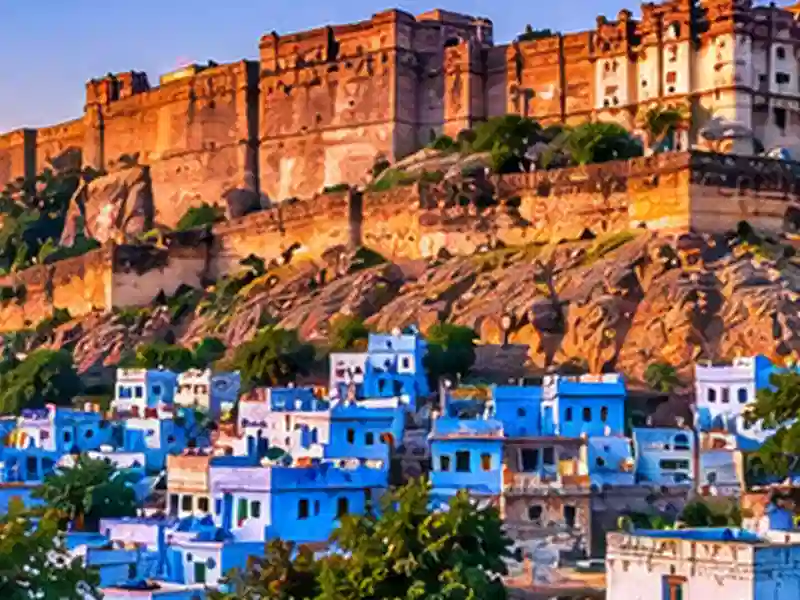
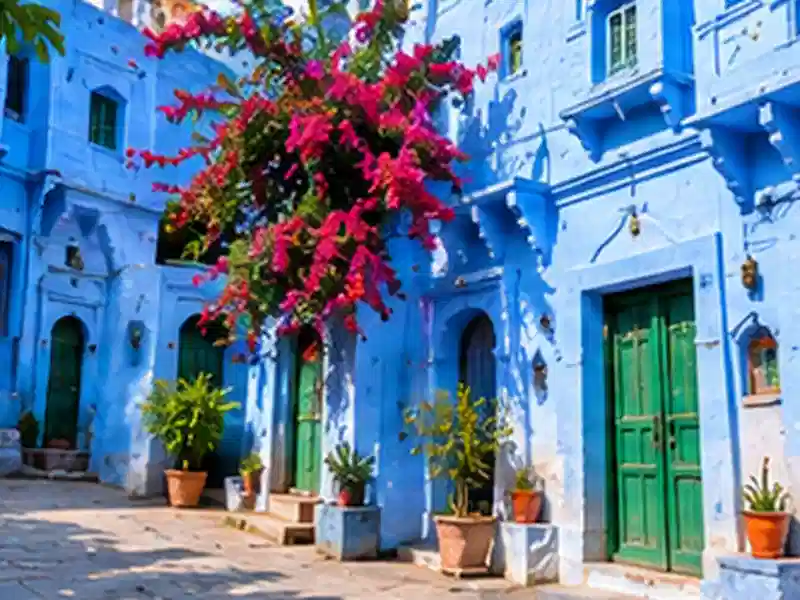
Popularly known as the Blue City of Rajasthan, Jodhpur is famous for its traditional blue-painted houses that create a distinctive landscape beneath the magnificent Mehrangarh Fort. The city is also called the Sun City because of its generally sunny climate and bright desert surroundings.
Founded in 1459 by Rao Jodha, a Rathore ruler, Jodhpur became the historic capital of the Marwar kingdom. Over the centuries, the city developed into an important center of royal power, trade, architecture, craftsmanship, and traditional Rajasthani culture.
Jodhpur is particularly famous for Mehrangarh Fort, Umaid Bhawan Palace, Jaswant Thada, Mandore Gardens, and Toorji Ka Jhalra. These remarkable attractions showcase the architectural achievements, historical traditions, and cultural identity of Rajasthan.
The city's historic neighborhoods are filled with beautifully carved havelis, narrow winding streets, colorful markets, traditional temples, and impressive sandstone buildings.
Beyond its architectural heritage, Jodhpur is also known for its vibrant handicraft markets, delicious Marwari cuisine, traditional folk music, and scenic desert excursions.
Whether you are planning a family vacation, a romantic holiday, a heritage photography tour, or a Rajasthan road trip, Jodhpur offers a memorable combination of royal history, cultural experiences, architectural beauty, and desert adventures.
The majestic Mehrangarh Fort is Jodhpur's most famous attraction and one of India's most impressive historic fortresses.
Standing approximately 125 meters above the surrounding city, the fort dominates the skyline with its massive sandstone walls, impressive gateways, and magnificent royal architecture.
Construction of the fortress began under Rao Jodha in the 15th century, with later rulers expanding and decorating the complex.
Inside the fort, visitors can explore beautifully designed royal chambers, traditional courtyards, intricately carved balconies, and remarkable historical collections.
Important palace sections include Moti Mahal, Phool Mahal, Sheesh Mahal, and Jhanki Mahal, each reflecting different aspects of royal life and artistic craftsmanship.
The Mehrangarh Museum preserves royal weapons, paintings, costumes, palanquins, decorative objects, and historical artifacts associated with the rulers of Marwar.
Visitors can also enjoy breathtaking panoramic views of Jodhpur's blue-painted neighborhoods and surrounding desert landscapes.
The combination of monumental architecture, fascinating history, and spectacular city views makes Mehrangarh Fort an essential destination for every traveler visiting Jodhpur.
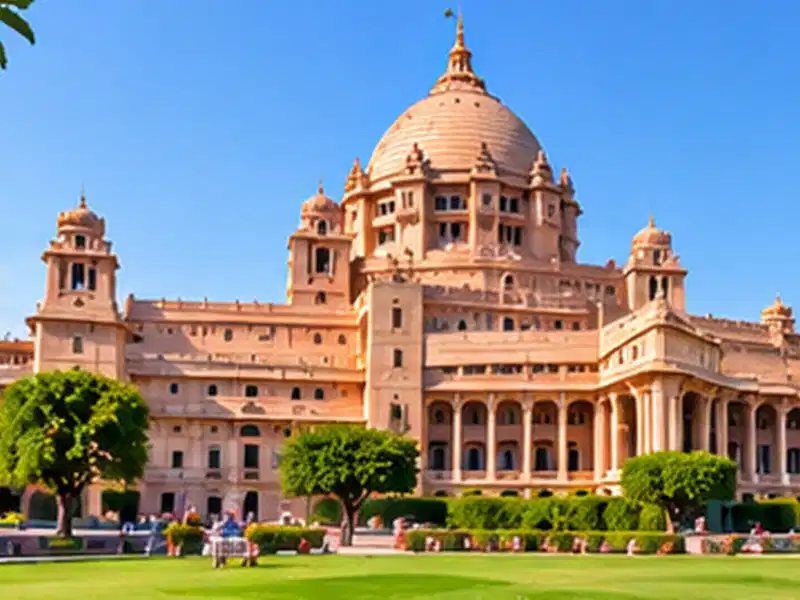
Umaid Bhawan Palace is one of Jodhpur's most magnificent architectural landmarks and an important symbol of the city's royal heritage.
Commissioned by Maharaja Umaid Singh, construction began in 1929 and continued until the early 1940s.
The palace was developed partly to provide employment during a period of severe drought and economic hardship in the region.
Designed by British architect Henry Vaughan Lanchester, the building combines traditional Indian architectural influences with European classical and Art Deco design elements.
Its magnificent golden sandstone exterior, elegant domes, beautifully designed gardens, and spacious courtyards create a spectacular royal atmosphere.
Today, the palace complex includes a luxury heritage hotel, a royal residence, and a museum open to visitors.
The museum displays photographs, royal memorabilia, historic objects, and exhibits associated with Jodhpur's former ruling family.
Travelers can admire the palace's impressive architecture and explore designated visitor areas according to current access policies.
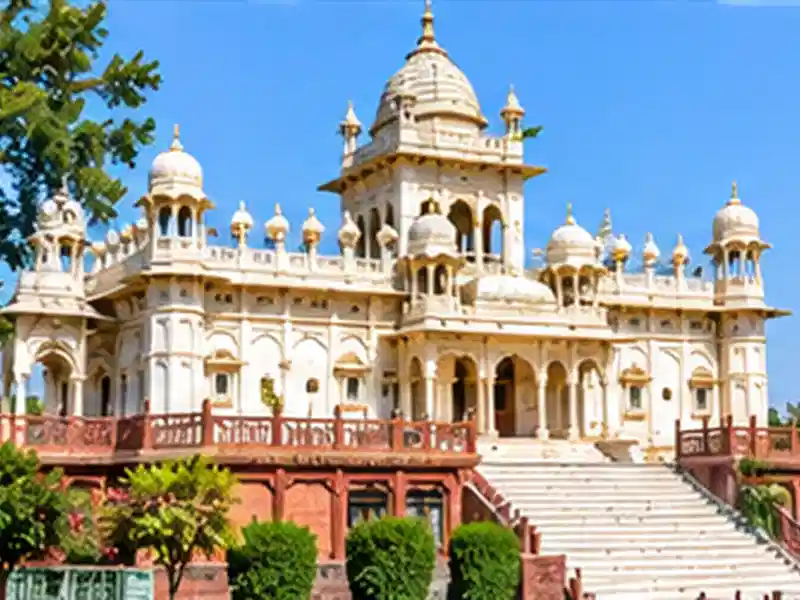
Jaswant Thada is one of Jodhpur's most elegant historical attractions, celebrated for its beautiful white marble architecture and peaceful surroundings.
Located near Mehrangarh Fort, the memorial was built in 1899 by Maharaja Sardar Singh in memory of his father, Maharaja Jaswant Singh II.
The monument features beautifully carved marble panels, elegant domes, decorative pillars, and traditional Rajput architectural details.
Its polished marble surfaces create a luminous appearance under sunlight, making it particularly attractive for photography.
The complex also contains portraits of former Marwar rulers and beautifully maintained gardens.
A small lake and scenic views of the surrounding hills add to its peaceful atmosphere.
Jaswant Thada is often described as the Taj Mahal of Marwar because of its elegant white marble construction.
Visitors can enjoy a relaxing heritage experience while discovering the royal memorial traditions of Rajasthan.
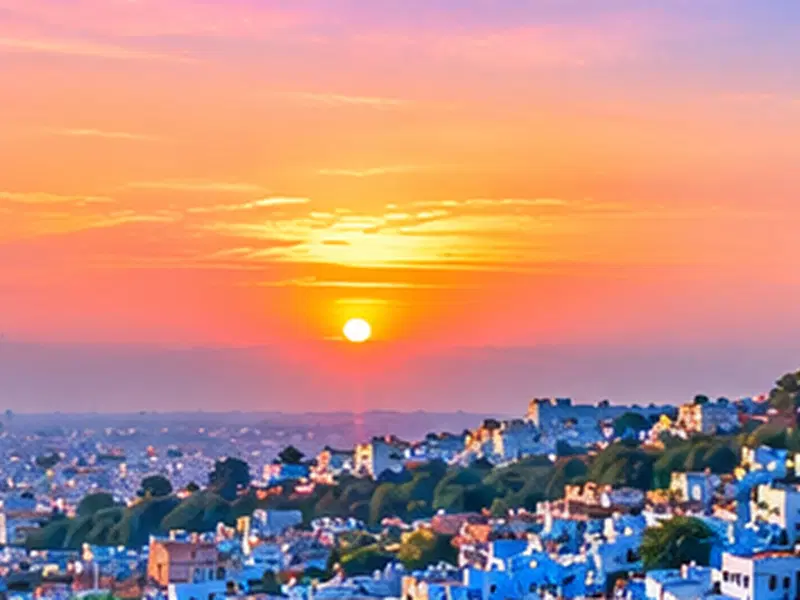
One of Jodhpur's most distinctive experiences is exploring the charming blue-painted neighborhoods of the old city.
The narrow streets surrounding Mehrangarh Fort contain traditional houses, beautifully decorated doorways, small temples, and historic residential buildings.
The blue color has become an important part of Jodhpur's identity, creating a striking visual contrast with the golden sandstone fort.
Visitors can enjoy guided heritage walks through the old neighborhoods and discover the traditional architecture of Marwar.
The streets around Navchokiya and Brahmapuri are particularly known for their blue-painted houses.
Photographers can capture colorful walls, traditional windows, local street scenes, and beautiful views of Mehrangarh Fort.
Travelers should respect residents' privacy and seek permission before photographing people or entering private property.
A Blue City heritage walk provides an authentic introduction to Jodhpur's cultural atmosphere and architectural character.
Mandore Gardens is one of Jodhpur's most important historical attractions, located approximately 9 kilometers north of the city center.
Mandore served as the capital of Marwar before Rao Jodha established Jodhpur in the 15th century.
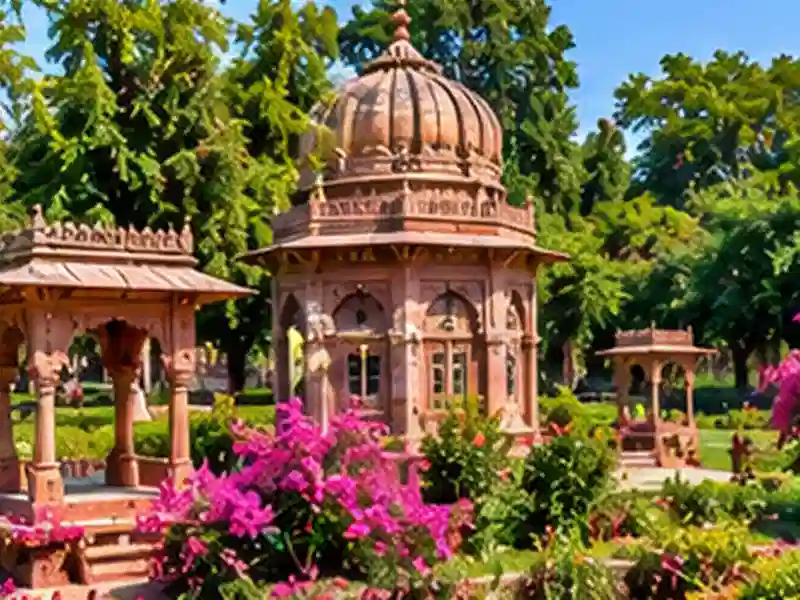
The gardens are famous for their magnificent royal cenotaphs, traditional temples, historic monuments, and beautifully landscaped surroundings.
The cenotaphs, locally known as Dewals, feature distinctive architectural designs inspired by traditional Hindu temples.
Visitors can admire intricately carved pillars, elegant stone structures, and beautiful decorative details.
The complex also contains monuments associated with local heroes and important figures from Marwar's history.
Its combination of royal architecture, peaceful gardens, and cultural heritage makes Mandore Gardens a popular attraction for families and history enthusiasts.
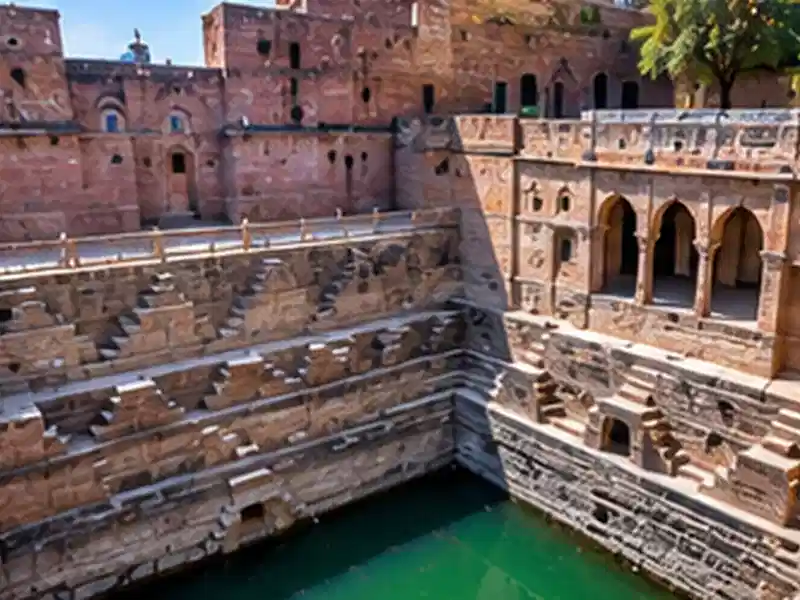
Toorji Ka Jhalra, also known as Toorji's Stepwell, is one of Jodhpur's most fascinating architectural attractions.
Located near the historic Clock Tower area, the stepwell is celebrated for its geometric stone steps, traditional sandstone construction, and beautifully designed water reservoir.
Built during the 18th century, the structure reflects the traditional water conservation techniques used in Rajasthan's semi-arid climate.
Its symmetrical stairways descend toward the water, creating an impressive architectural composition.
The surrounding neighborhood has become a popular destination for heritage walks, photography, cafés, and cultural exploration.
Visitors can admire the historic structure and learn about the importance of stepwells in Rajasthan's architectural heritage.
For safety, travelers should avoid swimming, diving, or entering restricted sections of the stepwell.
The historic Ghanta Ghar, also known as the Clock Tower, is one of Jodhpur's most recognizable landmarks.
Located near the bustling Sardar Market, the tower stands at the center of one of the city's most vibrant shopping areas.
The surrounding market streets are filled with shops selling traditional textiles, handicrafts, jewelry, spices, decorative items, and local souvenirs.
Visitors can explore colorful stalls and experience the lively atmosphere of a traditional Rajasthani bazaar.
The area is particularly famous for its beautiful Bandhani fabrics, embroidered clothing, leather products, and regional handicrafts.
Travelers can also enjoy popular local snacks and sweets while discovering the everyday culture of Jodhpur.
A visit to Clock Tower and Sardar Market offers an enjoyable combination of shopping, food, photography, and cultural experiences.
Rao Jodha Desert Rock Park is a beautiful ecological attraction situated near Mehrangarh Fort.
Established to restore the natural vegetation of the rocky landscape, the park showcases the distinctive ecology of the Thar Desert region.
Its walking trails pass through rugged rock formations, native desert plants, and scenic viewpoints.
Visitors can discover the region's natural vegetation and learn about the importance of protecting fragile desert ecosystems.
The park also offers spectacular views of Mehrangarh Fort and the surrounding landscape.
Guided nature walks may be available through the park's visitor facilities.
Rao Jodha Desert Rock Park is particularly appealing for nature lovers, photographers, and travelers interested in sustainable tourism.
Located approximately 65 kilometers from Jodhpur, Osian is a popular destination for ancient temples, desert scenery, and outdoor adventures.
The historic town is famous for its beautifully carved Hindu and Jain temples dating primarily to the early medieval period.
Important attractions include Sachiya Mata Temple, Mahavira Jain Temple, and the Harihara Temples.
These monuments showcase the artistic craftsmanship and religious traditions of Rajasthan.
The surrounding countryside offers opportunities for organized camel safaris, desert excursions, and beautiful sunset photography.
Visitors can explore sandy landscapes, traditional villages, and regional cultural experiences through reputable local operators.
Osian is an excellent destination for a day excursion from Jodhpur, combining historical sightseeing with desert adventure.
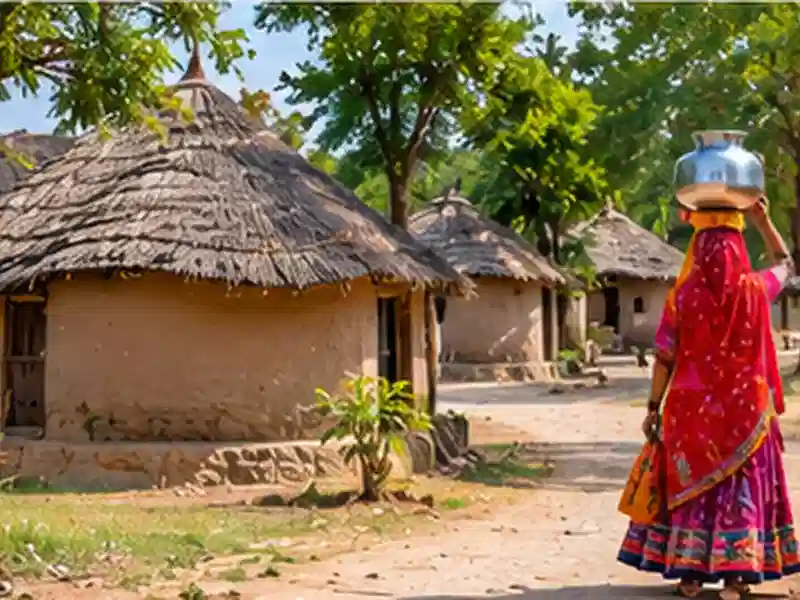
The villages surrounding Jodhpur offer opportunities to experience the traditional culture and environmentally conscious lifestyle of the Bishnoi community.
The Bishnoi community is widely recognized for its longstanding traditions of wildlife protection and nature conservation.
Organized village excursions may include visits to traditional settlements, local craft workshops, and rural landscapes.
Visitors can learn about regional customs, traditional clothing, and village lifestyles.
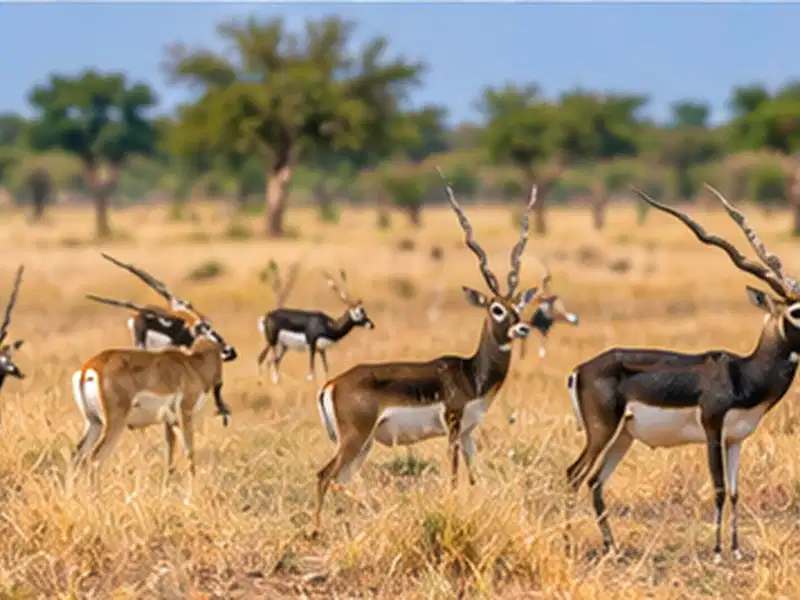
The surrounding countryside provides opportunities to observe blackbuck, chinkara, and various bird species in suitable habitats.
Travelers can also discover traditional pottery, weaving, and regional handicrafts through community-based experiences.
Responsible tourism practices are important, including seeking permission before photographing residents and respecting local customs.
Kailana Lake, also spelled Kaylana Lake, is a picturesque artificial lake situated on the western outskirts of Jodhpur.
Surrounded by rocky hills and semi-arid landscapes, the lake offers a peaceful atmosphere away from the busy city center.
The area is popular for relaxing sightseeing, scenic photography, and enjoying beautiful sunset views.
Visitors may find boating or other recreational activities available through authorized operators, depending on current arrangements.
The lake's natural surroundings also attract different bird species during suitable seasons.
Kailana Lake is particularly appealing for families, couples, and travelers seeking a refreshing outdoor experience.
Jodhpur is famous for its delicious regional cuisine, colorful markets, and traditional craftsmanship.
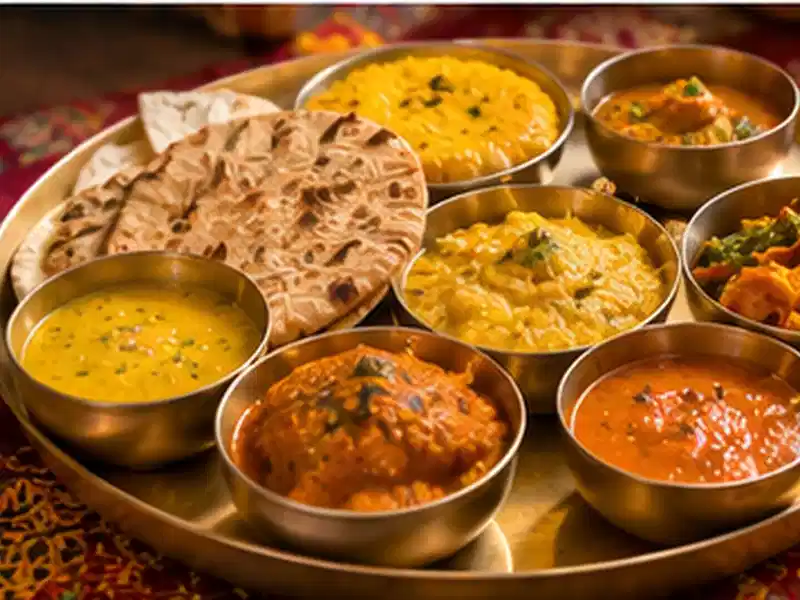
The city's food culture reflects the culinary heritage of the Marwar region, with a variety of savory snacks, traditional sweets, and authentic Rajasthani dishes.
Popular specialties include Mirchi Bada, Pyaaz Kachori, Makhaniya Lassi, Dal Baati Churma, Gatte Ki Sabzi, and Ker Sangri.
Traditional sweet shops also serve regional favorites such as Mawa Kachori and Ghevar.
Jodhpur's markets are famous for Bandhani textiles, handcrafted jewelry, traditional footwear, wooden furniture, and decorative products.
Visitors can explore local bazaars, discover regional craftsmanship, and enjoy authentic Rajasthani hospitality.
Jodhpur is much more than a historic royal city. It is a destination where magnificent forts, grand palaces, charming blue-painted streets, colorful markets, and beautiful desert landscapes come together.
From exploring Mehrangarh Fort and admiring Umaid Bhawan Palace to discovering Jaswant Thada, walking through the Blue City, and enjoying desert excursions around Osian, Jodhpur offers memorable experiences for travelers of different interests.
Whether you are planning a family vacation, a romantic getaway, a cultural holiday, or a scenic Rajasthan road trip, visiting Jodhpur provides an opportunity to discover one of India's most magnificent royal heritage destinations.
Explore more beautiful destinations in Rajasthan.
Explore more Jodhpur and Rajasthan travel experiences.


 Why Visit Rajasthan With Family
 Pushkar Mela -The Reflection of Rajasthani Culture
 Go through the glorious past of India with these Historical Destinations in India
 Experience the Luxury of past time in these Seven Luxury Trains in India
 Have a dip in the Royal past of Rajasthan with these Magnificent Forts.
Plan a memorable getaway with Travel Ride.
Helpful answers about Jodhpur.
The best time to visit Jodhpur is from the period of October till the finish of March month because during this period this spot and its climate stay charming. Other than this different celebrations are held throughout the cold weather months so on the off chance that you need to encounter something else, you can visit Jodhpur at the hour of those fairs and celebrations to find out about the social part of the city.
Jodhpur has summers with an average temperature of 32°C to 43°C while on the other hand winters at Jodhpur are gratifying with an average temperature ranging from 25°C to 7°C. Winter starts from October and lasts till March while summer starts from April and lasts until the end of August. September to October months witness little rain, having a temperature of 23°C to 37°C these months are considered to be the monsoon months.
The closest railway station is Jodhpur Junction. Going through the rail course is the awesome least expensive approach to arriving at Jodhpur. Howrah Jodhpur SF Express and Rajasthan Sampark Kranti, Chennai Jodhpur Express are a few trains that suddenly spike in demand for a regular schedule for Jodhpur. Jodhpur is associated with different urban communities of India like Chennai, Kolkata, Delhi, Mumbai, and so forth.
What makes Jodhpur famous amongst tourists are snacks & sweets, blue-painted houses, temples, and also Mehrangarh fort. Some of the top attractions of Jodhpur are Jaswant Thada, Mandore Gardens, Umaid Bhawan Palace, Ghanta Ghar, Toorji Ka Jhalra, Kaylana Lake, Umaid Heritage Art School, Phool Mahal, Hanwant Palace, Khejarla Fort, Mahamandir Temple, Masuriya Hill Garden, Mandaleshwar Mahadev Mandir, and Rai ka Bag Palace.
The closest air terminal is a good distance of 3 km which is a Civil air terminal. From the air terminal, you can get neighborhood transport and taxis to arrive at your objective. There are well-motorable streets that associate Jodhpur with different urban areas. The nearest international air terminal is situated in Delhi which is Indira Gandhi International Airport.
Clock Tower Market is one of the best places to shop in Jodhpur. In this market, you can get the best variety of spices, Flavoured tea, and especially Mathaniya’s red chili. Other than this you can also get handicrafts and antique items in this market. Nai Sarak is famous for buying some Bandhej or bandhani suit pieces, dupattas, sarees, and turbans. Sarafa Bazaar is famous for selling silver jewelry so this will be the best market to be visited with your female partner. Other than silver you can also get some decor items, bandhani fabric cloths, photo frames, and other such artifacts.
A portion of where you can have some delectable and clean food in Jodhpur are Shandar Sweet house, Gypsy, Indique, Janta Sweet House, Mehran Terrace, Jharokha, Baradari Restaurant, Darikhana, Hanwant Mahal, White House Cafe, and other than this you can likewise visit some road food at Pal Road, Clock Tower Market, C Road Sardarpura, Mahalaxmi Misthan Bhandar, and numerous such places.
You can also enjoy the city tour or can opt for camping in the desert area. On the off chance that you are some adventure aficionado, you can appreciate exercises like Paragliding, Ziplining, desert safari, likewise can appreciate rappelling in Soorsagar and some more. You can appreciate the camel safari in the desert and furthermore can take the cooking classes and figure out how to prepare the divine food of Rajasthan.