+91 95575 59891Call for Best DealsPlan My Trip →
Home › Destinations › Kerala

Kerala

Discover God's Own Country & Natural Beauty.

⌖Explore
Places
✧Travel
Experiences
▤Travel
Guides
♧Nature &
Culture

About Kerala

Kerala, popularly known as God's Own Country, is one of India's most beautiful and diverse travel destinations, famous for its peaceful backwaters, tropical beaches, mist-covered hill stations, lush tea plantations, wildlife sanctuaries, and rich cultural heritage. Located along the Malabar Coast in southwestern India, Kerala offers a remarkable combination of natural beauty, traditional experiences, and relaxing holidays.

Bordered by Karnataka and Tamil Nadu, with the Arabian Sea to the west, Kerala is known for its tropical landscapes, interconnected waterways, coconut-lined villages, and scenic Western Ghats mountains. Thiruvananthapuram, the state capital, is an important cultural and administrative centre, while Kochi is a major gateway for tourism and international travel.

From the tea-covered hills of Munnar and the tranquil backwaters of Alappuzha (Alleppey) to the wildlife-rich forests of Thekkady, the beaches of Kovalam and Varkala, and the historic streets of Fort Kochi, Kerala offers unforgettable experiences for honeymoon couples, families, nature enthusiasts, and cultural travellers.

Munnar – Misty Mountains and Tea Plantations

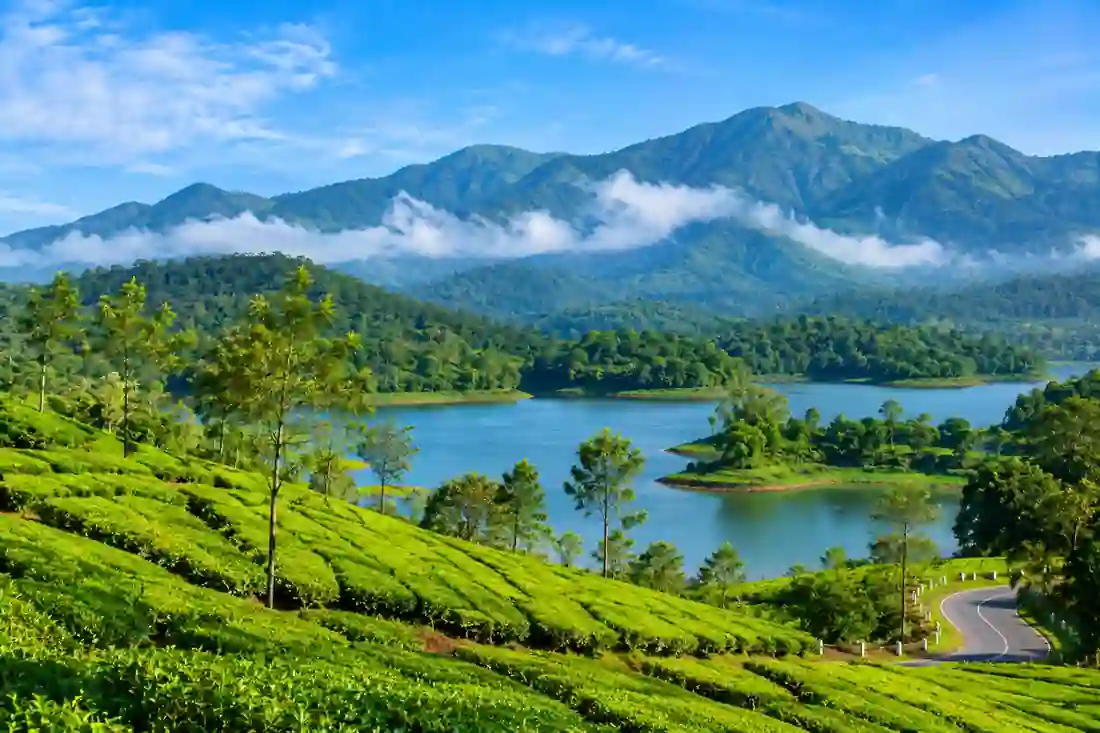
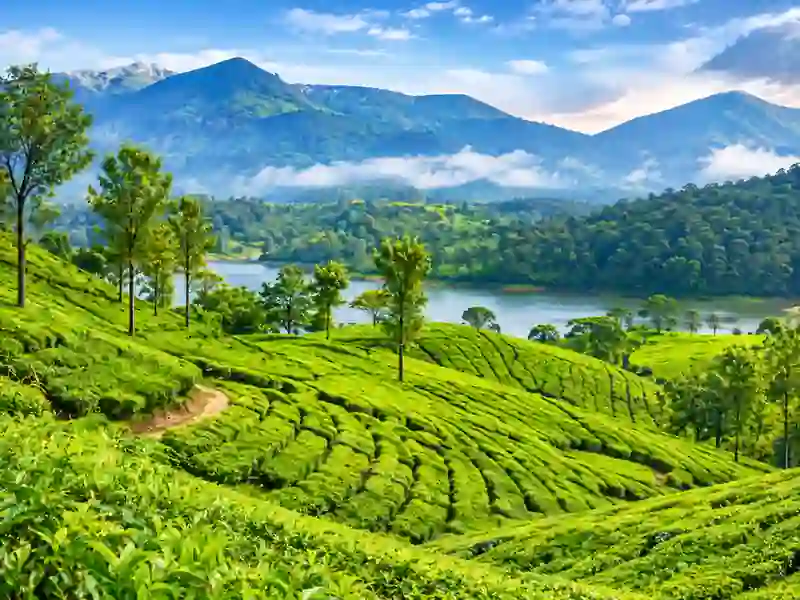
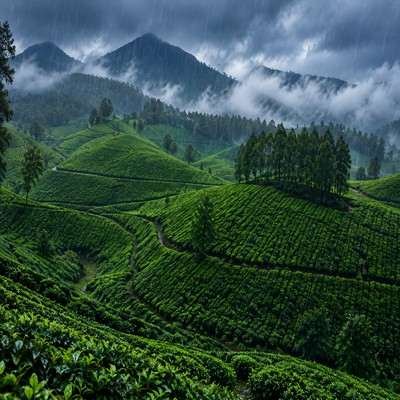
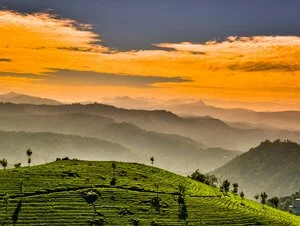
Munnar, located in the Western Ghats of Kerala, is one of South India's most famous hill stations. Known for its rolling tea plantations, mist-covered valleys, cool mountain weather, and beautiful viewpoints, Munnar attracts travellers seeking peaceful mountain experiences.

Popular attractions include Eravikulam National Park, Mattupetty Dam, Echo Point, Kundala Lake, and Top Station. The region is also known for its tea estates and opportunities to learn about tea cultivation and processing.

Eravikulam National Park protects important high-altitude grassland habitats and is particularly associated with the endangered Nilgiri tahr.

Munnar is especially appealing to honeymoon couples, families, photographers, and travellers interested in nature walks and scenic landscapes.

Alappuzha – The Famous Backwaters of Kerala

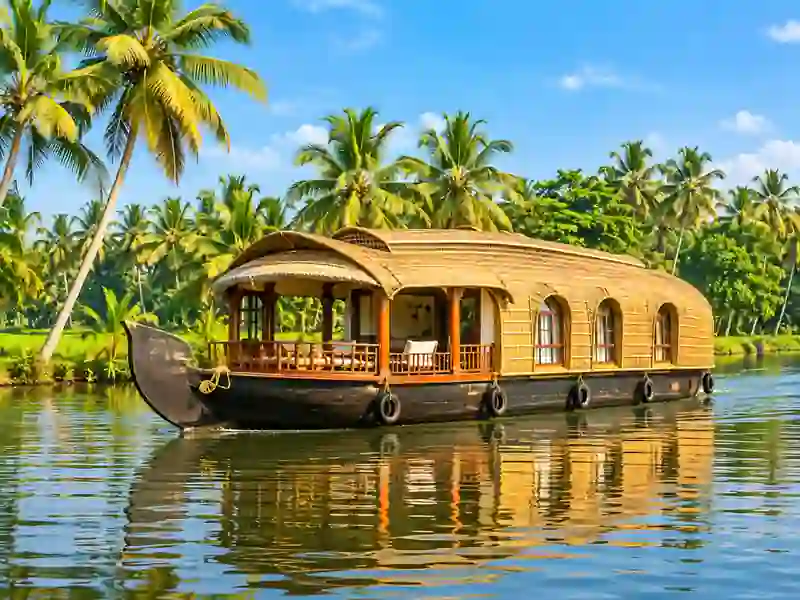
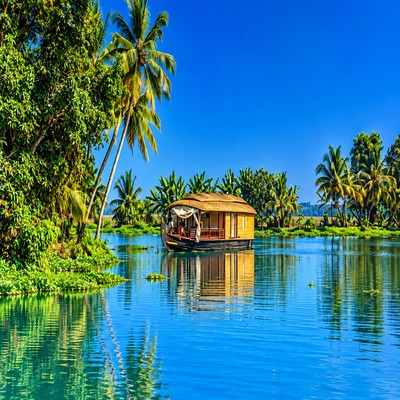
Alappuzha, commonly known as Alleppey, is one of Kerala's most celebrated backwater destinations. Famous for its interconnected canals, lagoons, coconut-lined waterways, and traditional houseboats, Alappuzha offers a distinctive experience of Kerala's rural and coastal landscapes.

The region is closely associated with Vembanad Lake, one of India's largest lakes, and the traditional kettuvallam-style houseboats that operate along selected backwater routes.

Visitors can enjoy scenic houseboat cruises, explore peaceful villages, observe traditional fishing activities, and discover the region's unique water-based lifestyle.

Alappuzha is also known for the Nehru Trophy Boat Race, a famous event featuring traditional snake boats.

Thekkady – Wildlife and Spice Plantations

Thekkady, situated near the Kerala–Tamil Nadu border, is an important destination for wildlife tourism and nature experiences.

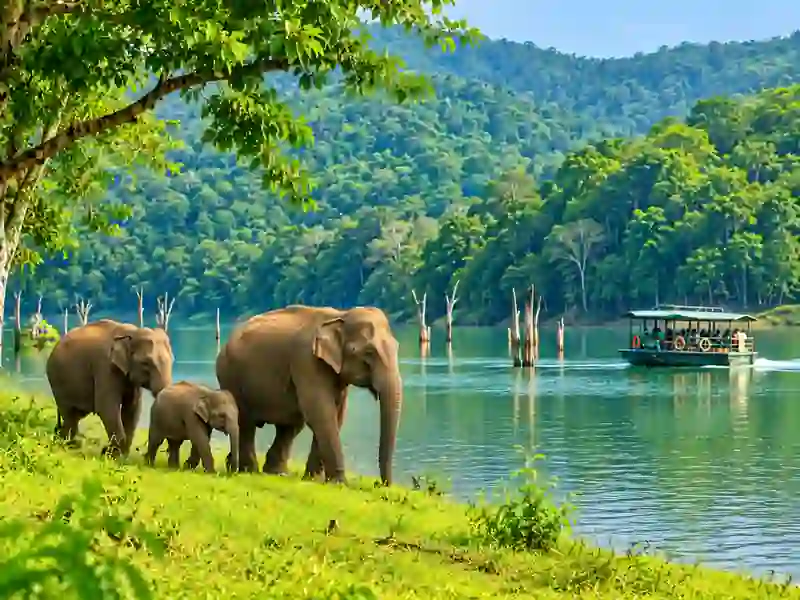
The region is closely associated with Periyar Tiger Reserve, known for its tropical forests, scenic lake, and diverse wildlife habitats.

Visitors can participate in authorized nature walks, guided forest activities, and boating experiences on Periyar Lake, depending on official schedules and availability.

Thekkady is also famous for its spice plantations, where travellers can learn about the cultivation of cardamom, pepper, cinnamon, and other aromatic spices.

Its combination of forests, wildlife, and plantation landscapes makes Thekkady especially attractive to nature enthusiasts and families.

Kochi – Colonial Heritage and Coastal Culture

Kochi, also known as Cochin, is one of Kerala's most historically significant coastal cities. Famous for its maritime trading history, colonial architecture, cultural landmarks, and waterfront attractions, Kochi offers a fascinating blend of traditional heritage and modern city life.

Fort Kochi is particularly popular for its historic streets, colonial-era buildings, art cafés, and the iconic Chinese fishing nets.

Other important attractions include Mattancherry Palace, Paradesi Synagogue, Santa Cruz Basilica, and St. Francis Church.

Kochi has a long history of trade with merchants from different parts of the world, which is reflected in its architecture, religious landmarks, and cultural traditions.

The city is also known for its contemporary art scene, galleries, and cultural events.

Wayanad – Forests, Waterfalls and Scenic Highlands

Wayanad, located in northern Kerala, is a beautiful hill district known for its forests, coffee plantations, waterfalls, scenic viewpoints, and historical attractions.

Popular destinations include Edakkal Caves, Banasura Sagar Dam, Pookode Lake, Soochipara Waterfalls, and Chembra Peak.

Edakkal Caves are particularly important for their prehistoric rock engravings, offering insights into the region's ancient human history.

Wayanad is also associated with wildlife habitats and protected forest landscapes, including areas connected to the wider Nilgiri Biosphere Reserve.

The destination attracts travellers interested in trekking, nature photography, plantation experiences, and peaceful mountain holidays.

Kovalam – Kerala's Famous Beach Destination

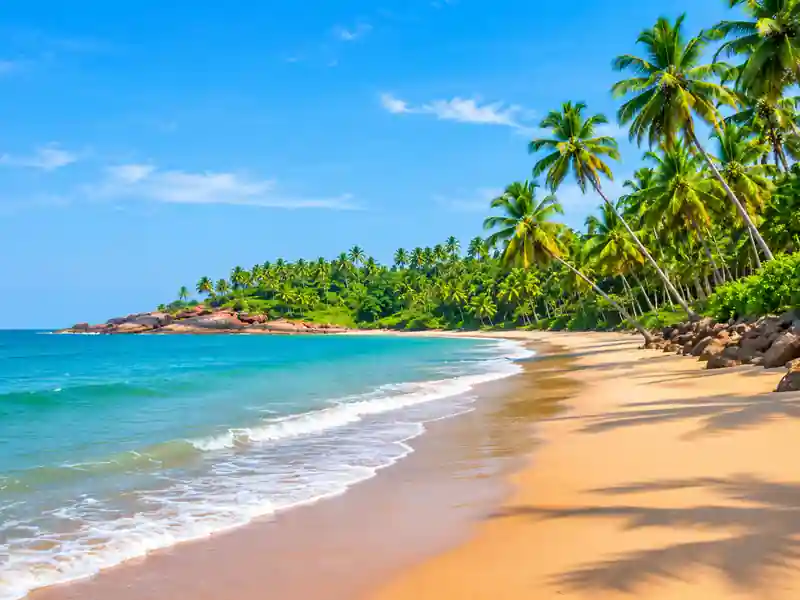
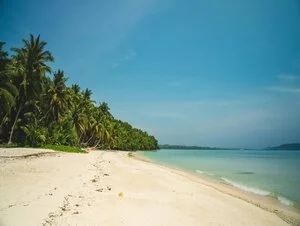
Kovalam, located near Thiruvananthapuram, is one of Kerala's most popular coastal destinations, known for its beautiful beaches, palm-fringed shoreline, and relaxing seaside atmosphere.

The area includes Lighthouse Beach, Hawa Beach, and Samudra Beach, each offering different coastal experiences.

Lighthouse Beach is especially famous for its distinctive red-and-white striped lighthouse and scenic views of the Arabian Sea.

Visitors can enjoy beach walks, coastal photography, and relaxing stays at seaside resorts.

Swimming and water activities should be undertaken only where conditions are safe and local authorities permit.

Varkala – Clifftop Views and Beautiful Beaches

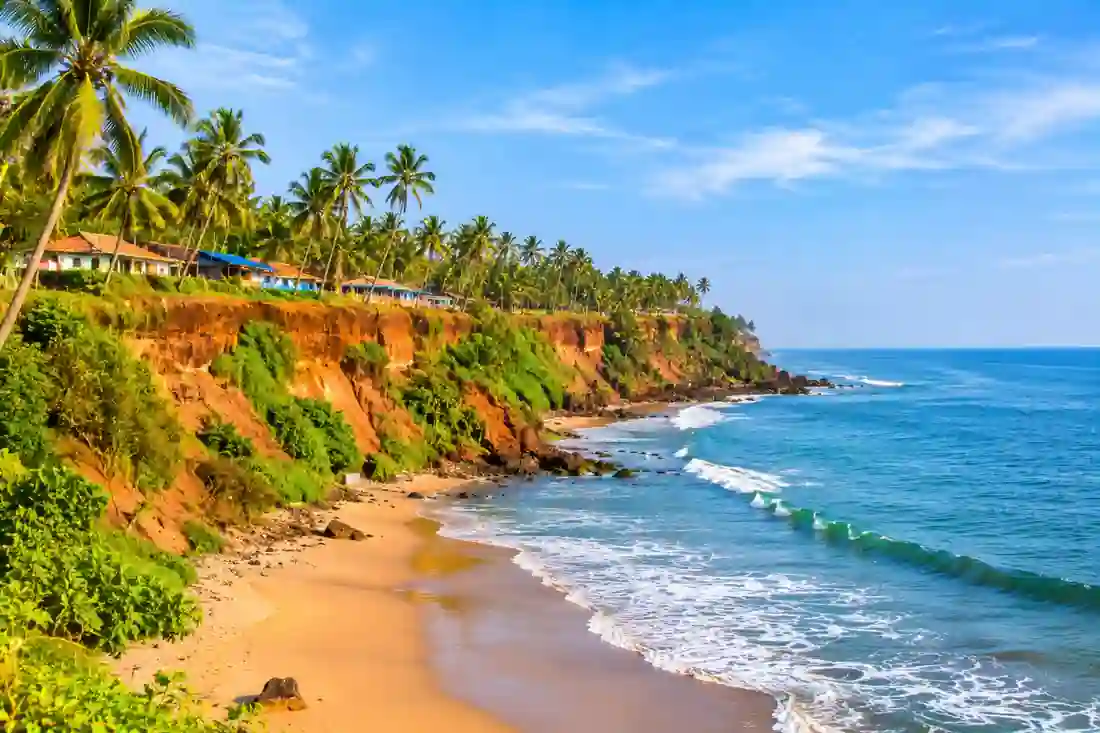
Varkala, situated along Kerala's southwestern coastline, is known for its dramatic seaside cliffs, beautiful beaches, and peaceful atmosphere.

Varkala Cliff offers spectacular views of the Arabian Sea, with cafés, shops, and walking areas overlooking the coastline.

Papanasam Beach is an important attraction, known for both its scenic surroundings and religious significance.

The town is also home to Janardanaswamy Temple, an important Hindu pilgrimage site.

Varkala appeals to travellers seeking coastal relaxation, sunset photography, wellness experiences, and scenic seaside walks.

Kumarakom – Backwaters and Birdwatching

Kumarakom, located along Vembanad Lake near Kottayam, is another beautiful backwater destination known for its peaceful waterways, coconut groves, and traditional village landscapes.

The region is famous for its houseboat experiences and Kumarakom Bird Sanctuary, where visitors may observe resident and migratory birds depending on the season.

Travellers can enjoy backwater cruises, village exploration, birdwatching, and relaxing lakeside experiences.

Kumarakom offers a quieter atmosphere for visitors interested in nature, photography, and traditional Kerala backwater culture.

Kerala's Wildlife, Forests and Natural Beauty

Kerala is home to diverse natural ecosystems, ranging from tropical rainforests and mountain grasslands to coastal wetlands and mangrove habitats.

The Western Ghats, a UNESCO World Heritage region, play an important role in Kerala's biodiversity and scenic landscapes.

Important protected areas include Periyar Tiger Reserve, Eravikulam National Park, Silent Valley National Park, and Wayanad Wildlife Sanctuary.

These regions support wildlife such as elephants, Nilgiri tahr, deer, numerous bird species, and other native animals.

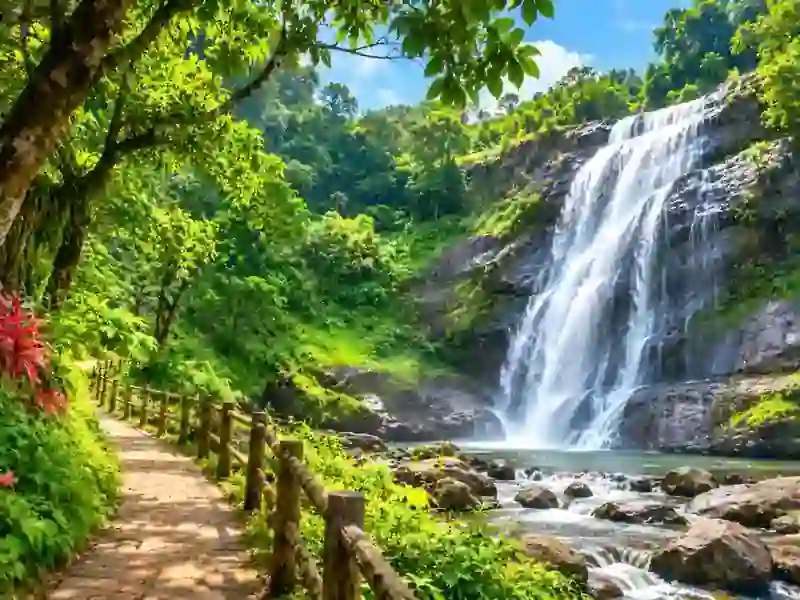
Waterfalls including Athirappilly Falls, Soochipara Falls, and Meenmutty Falls add to Kerala's natural attractions.

Visitors should follow forest regulations, use authorized guides where required, and respect wildlife habitats.

Ayurveda, Wellness and Traditional Experiences

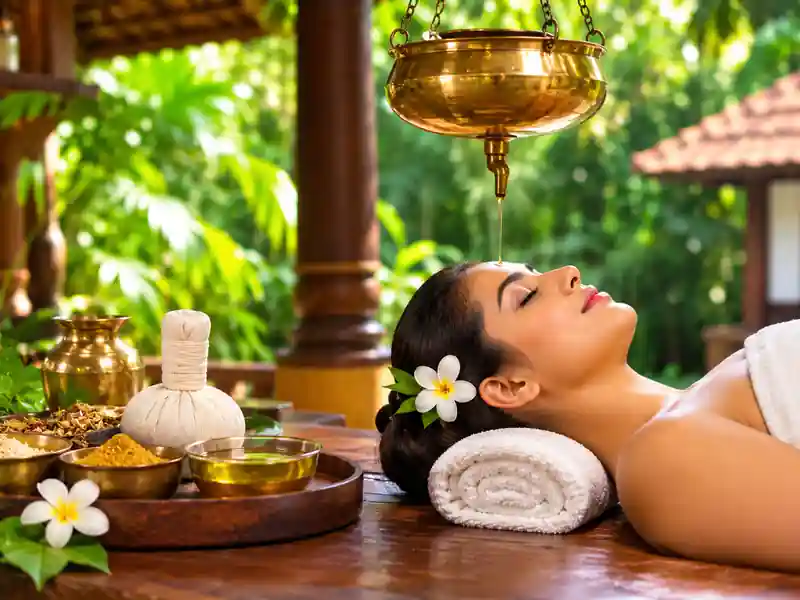
Kerala is internationally recognised for its long-standing traditions of Ayurveda, an Indian system of medicine and wellness practices.

Several destinations offer Ayurvedic wellness programmes, traditional massages, yoga sessions, and relaxation experiences.

Visitors interested in therapeutic Ayurvedic treatments should consult qualified practitioners and choose appropriately licensed facilities.

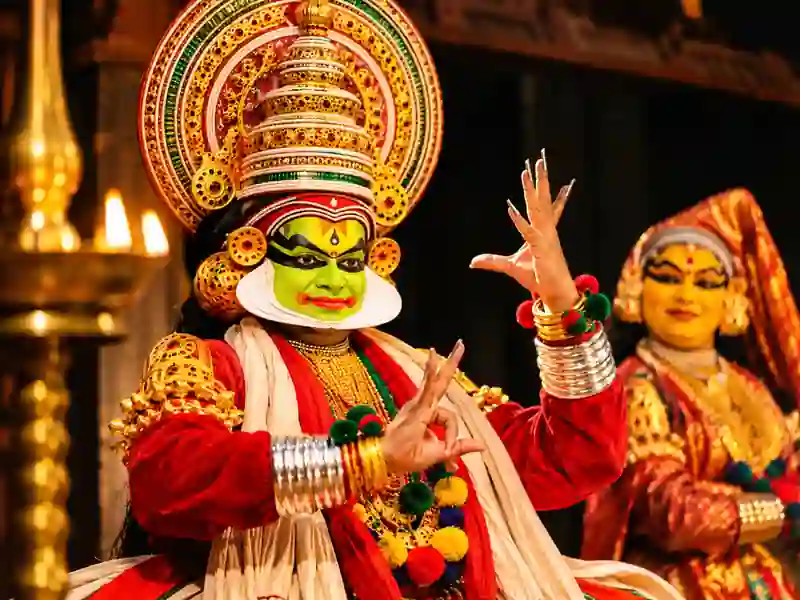
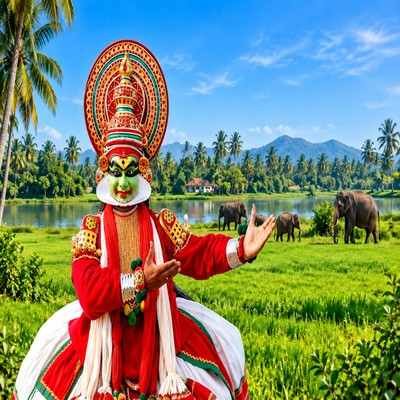
Kerala is also known for its traditional performing arts, including Kathakali, Mohiniyattam, Theyyam, and Kalaripayattu, a traditional martial art.

Cultural centres and local performances offer opportunities to learn about these distinctive traditions.

Kerala's Festivals, Culture and Traditional Cuisine

Kerala's cultural heritage is reflected in its festivals, temples, traditional arts, regional cuisine, and community celebrations.

Onam, one of the state's most important festivals, is celebrated with floral decorations, traditional feasts, cultural performances, and community activities.

Other major celebrations include Vishu, Thrissur Pooram, and various temple and regional festivals.

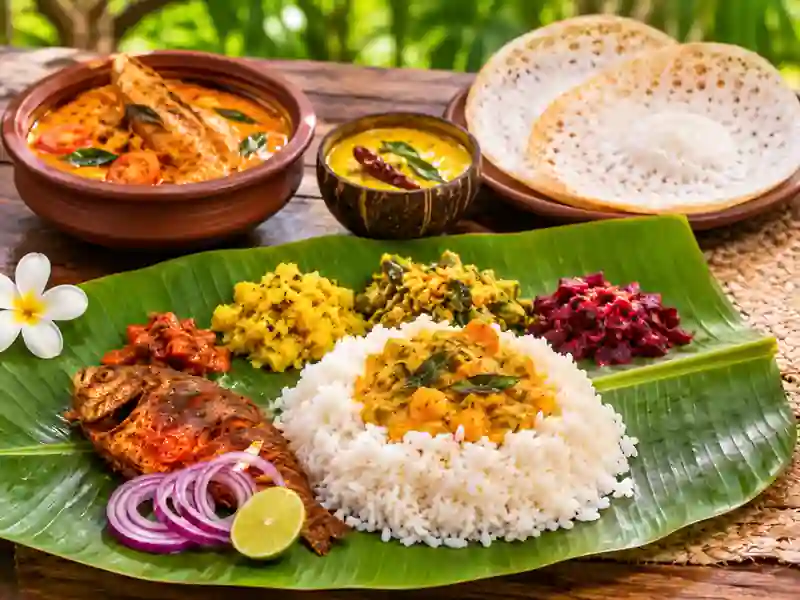
Kerala cuisine is famous for its use of coconut, rice, spices, seafood, and distinctive regional cooking methods.

Popular dishes include appam with stew, puttu and kadala curry, Kerala sadya, fish curry, and Malabar biryani.

Travellers can also explore traditional spice markets, handicraft shops, and local villages to experience the state's cultural diversity.

Best Time to Visit Kerala

The best time to visit Kerala is generally from October to March, when many regions experience comparatively comfortable conditions for sightseeing, beach holidays, backwater cruises, and outdoor exploration.

October to November brings greener landscapes following the southwest monsoon, although rainfall can continue in some areas.

December to February is particularly popular for coastal destinations, houseboat experiences, and cultural sightseeing.

March to May brings warmer temperatures and higher humidity across the plains, while hill stations such as Munnar and Wayanad offer relatively cooler conditions.

The southwest monsoon, usually June to September, brings heavy rainfall and transforms Kerala's landscapes into lush greenery. However, outdoor activities, forest visits, and water-based experiences may face restrictions.

Weather conditions vary considerably between coastal areas and the Western Ghats, so travellers should check local forecasts before planning activities.

How to Reach Kerala

Kerala is well connected to major Indian cities and international destinations through airports, railway networks, and national highways.

By Air: Major airports include Cochin International Airport, Thiruvananthapuram International Airport, Calicut International Airport, and Kannur International Airport.

By Train: Important railway stations include Thiruvananthapuram Central, Ernakulam Junction, Kozhikode, Alappuzha, and Thrissur.

By Road: Kerala is connected to neighbouring states through national highways and an extensive network of state roads, buses, and taxis.

Travellers can also use local ferries and waterways in selected backwater regions.

Important Travel Tips for Visiting Kerala

  • Plan sightseeing according to the weather conditions of each region.

  • Book houseboat stays and popular accommodation early during peak tourist periods.

  • Choose licensed operators for backwater cruises and marine activities.

  • Check forest entry regulations before visiting wildlife reserves.

  • Carry suitable footwear and rain protection when exploring hill stations.

  • Respect local customs and dress codes at religious sites.

  • Avoid disturbing wildlife or leaving waste in protected natural areas.

  • Consult qualified practitioners before booking therapeutic Ayurvedic treatments.

  • Allow sufficient travel time between coastal destinations and hill stations.

Why Kerala Is a Unique Travel Destination

Kerala offers an extraordinary combination of scenic backwaters, misty mountains, tropical beaches, wildlife-rich forests, and living cultural traditions.

Travellers can enjoy peaceful houseboat cruises in Alappuzha, explore the tea plantations of Munnar, discover wildlife around Thekkady, and experience the historic coastal atmosphere of Fort Kochi.

Honeymoon couples can enjoy romantic mountain and backwater experiences, families can explore beaches and cultural attractions, while nature enthusiasts can discover waterfalls, forests, and scenic highlands.

From traditional Kerala cuisine and classical performances to Ayurveda and beautiful tropical landscapes, the state offers memorable experiences for different travel interests.

Discover Kerala with Travel Ride and explore a destination where natural beauty, cultural heritage, and peaceful travel experiences come together.

Top Places to Visit in Kerala

View All Places →

Explore the best places to visit in Kerala, from the misty tea plantations of Munnar and peaceful backwaters of Alappuzha to the wildlife-rich forests of Thekkady. Discover Kochi's colonial heritage, Wayanad's scenic highlands, Kovalam's beautiful beaches, and Varkala's spectacular coastal cliffs.

Things to Do in Kerala

View All Experiences →

Experience the best things to do in Kerala, from peaceful houseboat cruises and tea plantation walks to wildlife exploration and scenic beach holidays. Discover traditional Kathakali performances, Ayurvedic wellness experiences, beautiful waterfalls, and authentic Kerala cuisine while exploring God's Own Country.

Enjoy a Houseboat Cruise in Alleppey
  • Cruise through the beautiful backwaters of Alappuzha.
  • Admire traditional villages and lush tropical landscapes.
  • Experience relaxing houseboat stays and local cuisine.
Explore Tea Plantations in Munnar
  • Walk through permitted tea plantation areas.
  • Learn about traditional tea cultivation and processing.
  • Enjoy spectacular views of mist-covered mountain valleys.
Experience Wildlife at Periyar Tiger Reserve
  • Enjoy guided nature walks with approved operators.
  • Experience boating on Periyar Lake when available.
  • Observe forest landscapes and wildlife responsibly.
Relax on Kerala's Beautiful Beaches
  • Explore Kovalam's popular Lighthouse Beach.
  • Enjoy scenic walks along Varkala Cliff.
  • Discover beautiful coastal sunsets and photography spots.
Experience Traditional Kathakali Performances
  • Watch expressive Kathakali dance-drama performances.
  • Admire elaborate costumes and traditional facial makeup.
  • Learn about the storytelling traditions of Kerala.
Discover Kerala's Ayurvedic Wellness Traditions
  • Learn about Kerala's traditional Ayurvedic practices.
  • Enjoy relaxation sessions at appropriately licensed centres.
  • Explore yoga and wellness experiences in peaceful surroundings.
Explore Waterfalls and Scenic Nature Trails
  • Visit the magnificent Athirappilly Waterfalls.
  • Explore scenic waterfalls and viewpoints in Wayanad.
  • Enjoy nature photography and permitted walking trails.
Taste Authentic Kerala Cuisine
  • Enjoy appam, puttu, and traditional Kerala sadya.
  • Discover Malabar biryani and coastal seafood specialities.
  • Explore local food markets and traditional restaurants.

Best Time to Visit Kerala

View More →

October to March is generally the best time to visit Kerala for backwater cruises, beach holidays, cultural sightseeing, and nature experiences. Winter offers comfortable conditions across many destinations, while summer is popular for hill stations and monsoon brings lush green landscapes.

☀️Summer (March–May)Mar – Jun

Enjoy comparatively cooler hill stations such as Munnar and Wayanad, while coastal areas experience warmer temperatures and humidity.

🌧️Monsoon (June–September)Jul – Sep

Experience lush greenery, flowing waterfalls, and seasonal rainfall, although heavy showers may restrict trekking, boating, and outdoor activities.

🍁Autumn (October–November)Oct – Nov

Explore refreshed landscapes and scenic backwaters as monsoon conditions gradually improve, with occasional rainfall continuing in some regions.

❄️Winter (December–February)Dec – Feb

Enjoy pleasant weather for houseboat cruises, beach sightseeing, wildlife experiences, and exploring Kerala's historic and cultural attractions.

How to Reach Kerala

View More →

Kerala is well connected to major Indian and international destinations through four international airports, an extensive railway network, and national highways. Travellers can conveniently reach Kochi, Thiruvananthapuram, Kozhikode, and other popular destinations by flight, train, or road.

✈️By Air

Fly to Kochi, Thiruvananthapuram, Kozhikode, or Kannur airports, with domestic and international connections depending on airline schedules.

🚆By Train

Reach Kerala through major railway stations in Thiruvananthapuram, Ernakulam, Kozhikode, Thrissur, and Alappuzha.

🚙By Road

Travel via national highways connecting Kerala with Karnataka and Tamil Nadu, using interstate buses, taxis, or private vehicles.

Frequently Asked Questions

Helpful answers about Kerala.

How many days are required to cover Munnar, Thekkady, Alleppey, and Kovalam in one Kerala trip?

A 7–9-day Kerala itinerary is generally suitable for exploring Munnar, Thekkady, Alleppey, and Kovalam without rushing. Travelers can spend two nights in Munnar, one or two nights in Thekkady, one night on an Alleppey houseboat or at a backwater resort, and two nights in Kovalam. Kochi is often used as the arrival point, while Thiruvananthapuram can be a convenient departure city. Road journeys between these destinations may take longer than expected because of winding hill roads and local traffic. Visitors with only five days should focus on Munnar, Thekkady, and Alleppey rather than attempting the entire circuit.

Is an overnight Alleppey houseboat better than a daytime backwater cruise?

An overnight Alleppey houseboat is ideal for travelers who want to experience Kerala's backwaters at a relaxed pace, enjoy freshly prepared meals, and stay surrounded by canals and village scenery. Most overnight houseboats cruise during designated daytime hours and remain moored at night, so guests should not expect continuous sailing. A daytime backwater cruise is more suitable for visitors with limited time or those who prefer staying in a regular hotel. Travelers should compare private and shared options, air-conditioning arrangements, meal inclusions, and bathroom facilities. Families with young children should also confirm safety equipment and onboard supervision arrangements before booking.

Which is better for Kerala backwaters: Alleppey, Kumarakom, or Ashtamudi Lake?

Alleppey is a popular choice for first-time visitors because of its extensive canal network, houseboat experiences, and traditional backwater scenery. Kumarakom, located along Vembanad Lake, is particularly suitable for travelers seeking peaceful lakeside resorts, birdwatching, and relaxed boat excursions. Ashtamudi Lake near Kollam offers another backwater experience, with scenic waterways and opportunities to explore less-commercialized surroundings. Travelers primarily interested in an overnight houseboat stay often choose Alleppey, while couples seeking luxury accommodation may prefer Kumarakom. The best option depends on the preferred accommodation, cruise duration, available budget, and the overall Kerala itinerary.

Can Munnar's tea plantations, Eravikulam National Park, Mattupetty Dam, and Top Station be covered in one day?

Munnar's tea plantations, Eravikulam National Park, Mattupetty Dam, and Top Station are major attractions, but visiting all of them comfortably in one day can be difficult. Eravikulam National Park may involve entry queues and regulated visitor transportation, while Top Station is located farther from Munnar town. Travelers should ideally divide these attractions across two sightseeing days. One day can focus on Eravikulam National Park and tea-related attractions, while another can include Mattupetty Dam, Echo Point, and Top Station. Park access may be restricted during the Nilgiri tahr breeding season or adverse weather conditions, so current opening schedules should be checked before visiting.

Is Thekkady worth visiting if tourists are already exploring Munnar and Wayanad?

Thekkady offers a different experience from Munnar and Wayanad, making it worthwhile for travelers interested in wildlife, spice plantations, and forest-based activities. The destination is closely associated with Periyar Tiger Reserve, where visitors can participate in authorized boating, nature walks, and other regulated ecotourism experiences. Munnar is better known for its tea-covered hills, while Wayanad offers a combination of forests, waterfalls, caves, and rural landscapes. Travelers should not expect guaranteed tiger sightings in Thekkady, as wildlife encounters are unpredictable. Visitors with limited time can choose between these destinations according to their interests rather than including all three.

Which Kerala beaches are better for swimming, cliffside views, and family holidays: Varkala, Kovalam, or Marari?

Varkala is known for its dramatic coastal cliffs, cafés, and scenic viewpoints overlooking the Arabian Sea. Kovalam offers a more established beach tourism environment with resorts, restaurants, and popular coastal areas such as Lighthouse Beach. Marari Beach near Alleppey attracts travelers looking for quieter surroundings and relaxed resort stays. However, swimming safety depends on currents, waves, seasonal conditions, and designated lifeguard-supervised areas rather than the beach's popularity. Families should choose accommodation based on beach access, available facilities, and safety arrangements. During the monsoon, rough seas can make swimming unsafe at all three destinations.

Can Athirappilly Waterfalls be combined with Kochi or Munnar sightseeing?

Yes, Athirappilly Waterfalls can be included in a Kerala itinerary from Kochi or while traveling toward Munnar, depending on the selected route. The waterfall is approximately 65–75 km from central Kochi and is particularly impressive during and after periods of heavy rainfall. Travelers can explore designated viewpoints and nearby natural attractions, subject to forest department regulations. However, heavy monsoon conditions may restrict access to certain areas because of slippery pathways and strong water flow. Visitors should avoid entering prohibited sections of the river. A dedicated half-day or longer excursion is preferable, especially for families who want time for photography and walking.

Is Kerala suitable for a monsoon holiday in June, July, and August, or should tourists avoid these months?

Kerala can be visited during the monsoon, but the experience differs considerably from a typical beach and sightseeing holiday. June to August brings lush greenery, flowing waterfalls, and a distinctive atmosphere across the state. However, heavy rainfall can cause landslides, flooding, road closures, and disruptions to outdoor activities, particularly in hilly destinations such as Munnar and Wayanad. Beach swimming and some water-based activities may also be restricted. Travelers interested in wellness stays and scenic resort experiences may enjoy the rainy season, provided conditions are safe. Those planning extensive mountain road trips should monitor official weather alerts and maintain flexible travel arrangements.

Can tourists visit Wayanad, Coorg, and Ooty together during one South India road trip?

Yes, Wayanad in Kerala can be combined with Coorg in Karnataka and Ooty in Tamil Nadu to create a multi-state hill station itinerary. A 6–8-day trip is generally suitable for exploring selected attractions across these destinations, depending on the starting point. Wayanad offers forest landscapes, waterfalls, and scenic viewpoints, while Coorg is known for coffee plantations and Ooty for its tea gardens and mountain railway. However, road routes may pass through protected forest areas where vehicle timings and restrictions apply. Travelers should confirm current road access, allow sufficient transfer time, and avoid planning long drives after dark through unfamiliar mountain roads.

Which airport is most convenient for a Kerala holiday: Kochi, Thiruvananthapuram, Calicut, or Kannur?

The most convenient airport depends on the destinations included in the Kerala itinerary. Cochin International Airport is generally practical for travelers visiting Kochi, Munnar, Thekkady, Alleppey, and Kumarakom. Thiruvananthapuram International Airport is suitable for Kovalam, Varkala, and southern Kerala. Calicut International Airport is often used for journeys toward Wayanad and northern Kerala, while Kannur International Airport can be convenient for Kannur, Bekal, and selected northern destinations. Travelers planning a route from Munnar to Kovalam may benefit from arriving in Kochi and departing from Thiruvananthapuram. Comparing airport transfer distances can help reduce unnecessary road travel.

Can tourists experience authentic Kerala village life, Kathakali, Kalaripayattu, and traditional cuisine during a short holiday?

Yes, travelers can experience several aspects of Kerala's culture during a 4–6-day holiday by including carefully selected activities. Kochi offers opportunities to attend Kathakali performances, while cultural centers around Kochi and Thekkady may organize Kalaripayattu demonstrations. Backwater villages near Alleppey and Kumarakom provide opportunities to observe local fishing traditions, coconut-based livelihoods, and everyday rural life through responsible guided experiences. Visitors can also try traditional Kerala sadya, appam with stew, puttu, and regional seafood dishes. Cultural performances and village visits should be booked through reputable operators, and travelers should confirm whether activities are included in their accommodation or sightseeing arrangements.

Is it better to explore Kerala by private car, train, or houseboat when visiting multiple destinations?

A combination of transportation methods is often the most practical way to explore Kerala. Private cars are convenient for reaching hill stations such as Munnar, Thekkady, and Wayanad, where railway connectivity is limited. Trains are useful for traveling between several coastal cities, including Kochi, Alappuzha, Kollam, and Thiruvananthapuram, depending on available services. Houseboats are primarily intended for backwater experiences rather than transportation between major tourist destinations. Families visiting multiple regions may prefer a private car for flexibility, while travelers staying mainly along the coast can combine train journeys with local taxis and a dedicated backwater cruise.