+91 95575 59891Call for Best DealsPlan My Trip →
Home › Destinations › Ladakh

Ladakh

Where Adventure Meets the Himalayas.

⌖Explore
Places
✧Travel
Experiences
▤Travel
Guides
♧Nature &
Culture

About Ladakh

Ladakh, often called the Land of High Passes, is one of India's most spectacular high-altitude destinations, known for its dramatic mountains, turquoise lakes, ancient Buddhist monasteries, and breathtaking Himalayan landscapes. Located in the northernmost part of India, Ladakh is a Union Territory surrounded by the Karakoram and Himalayan mountain ranges. Its rugged terrain, cold desert valleys, winding mountain roads, and distinctive cultural heritage make it an extraordinary destination for nature lovers, adventure enthusiasts, photographers, and cultural travellers.

Situated at an altitude of approximately 3,500 metres, Leh serves as the main tourism centre of Ladakh and the starting point for exploring its famous attractions. The region is characterised by barren mountains, snow-covered peaks, deep river valleys, traditional villages, and centuries-old monasteries. Unlike the lush green hill stations of India, Ladakh offers a striking high-altitude desert landscape with remarkable natural beauty.

From the peaceful shores of Pangong Tso to the sand dunes of Nubra Valley, the scenic beauty of Tso Moriri Lake, and the spiritual atmosphere of Hemis and Thiksey monasteries, Ladakh offers unforgettable experiences at every turn.

Leh – The Cultural and Tourism Heart of Ladakh

Leh, the principal town of Ladakh, is the region's most important tourism hub. Surrounded by rugged mountains and historic settlements, Leh combines traditional Ladakhi culture with bustling markets, monasteries, cafés, and scenic viewpoints.

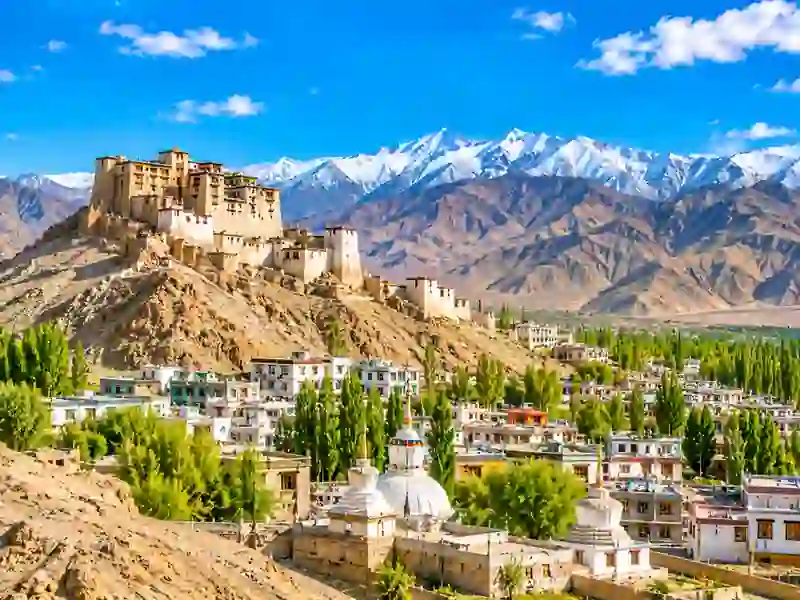
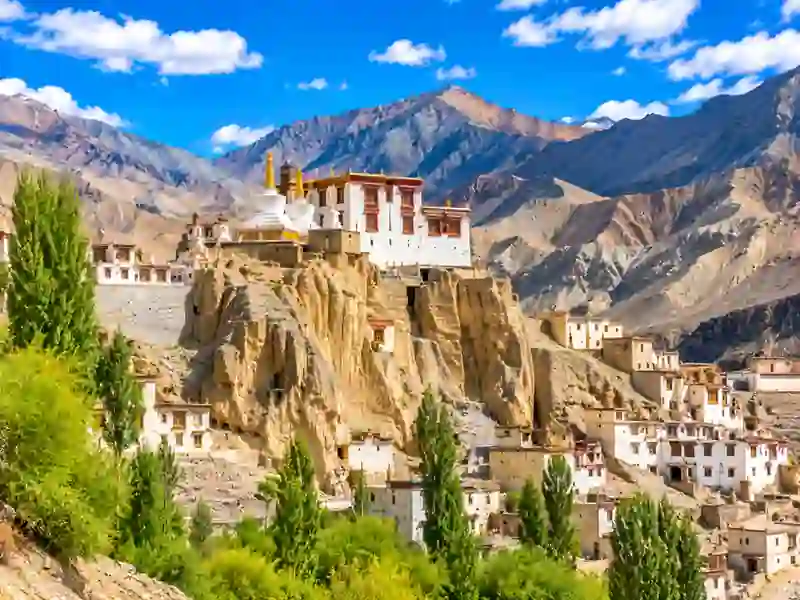
One of its most recognisable landmarks is Leh Palace, a historic royal residence overlooking the town. Nearby, Shanti Stupa offers panoramic views of Leh and the surrounding mountains, especially during sunrise and sunset.

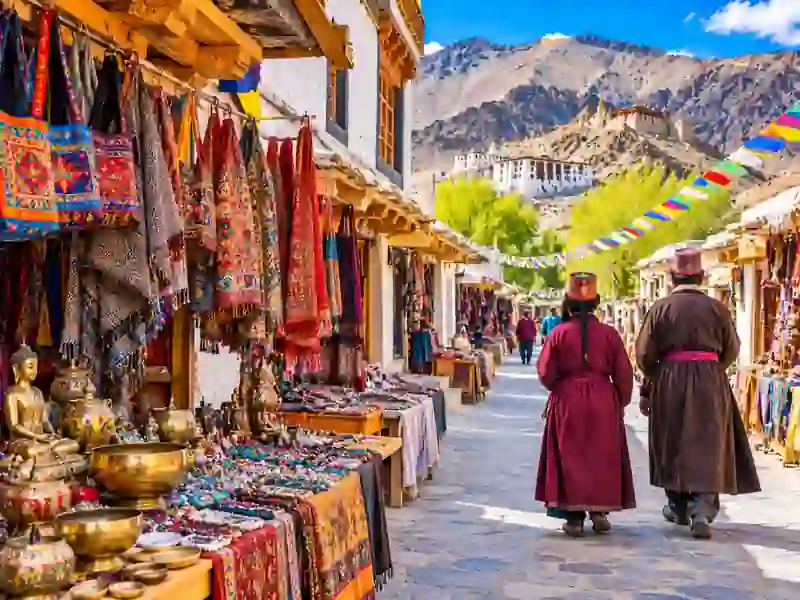
Travellers can explore Leh Market, visit traditional handicraft shops, discover local cuisine, and experience the region's Buddhist cultural heritage.

Other important attractions around Leh include Shey Palace, Thiksey Monastery, Hemis Monastery, and Spituk Monastery. These historic sites provide insights into Ladakh's religious traditions, architecture, and monastic life.

Because of its high altitude, visitors arriving in Leh should allow sufficient time for acclimatisation before travelling to higher destinations.

Nubra Valley – Sand Dunes, Mountains and Scenic Villages

Nubra Valley is one of Ladakh's most fascinating regions, known for its unusual combination of cold desert landscapes, mountain scenery, river valleys, and traditional villages.

Located north of Leh, the valley is commonly reached via the Khardung La route, subject to road conditions and access regulations.

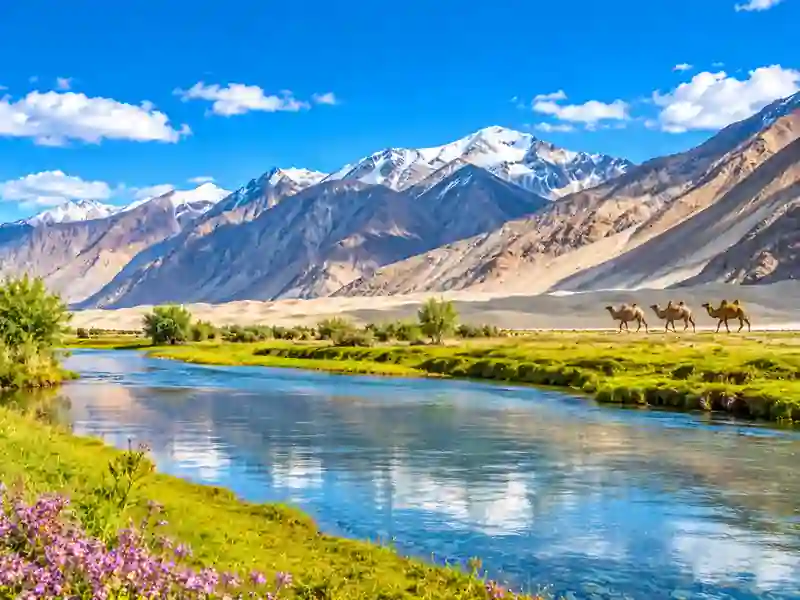
The famous Hunder Sand Dunes offer a striking contrast between golden sand and towering mountains. Visitors can also encounter the region's distinctive double-humped Bactrian camels.

Diskit Monastery, one of Nubra Valley's important Buddhist monasteries, is known for its impressive Maitreya Buddha statue and panoramic valley views.

Other scenic locations include Sumur, Panamik, and Turtuk, a culturally distinctive village near the India–Pakistan border region.

Nubra Valley is particularly appealing to travellers interested in landscape photography, village exploration, and unique Himalayan scenery.

Pangong Tso – Ladakh's Famous High-Altitude Lake

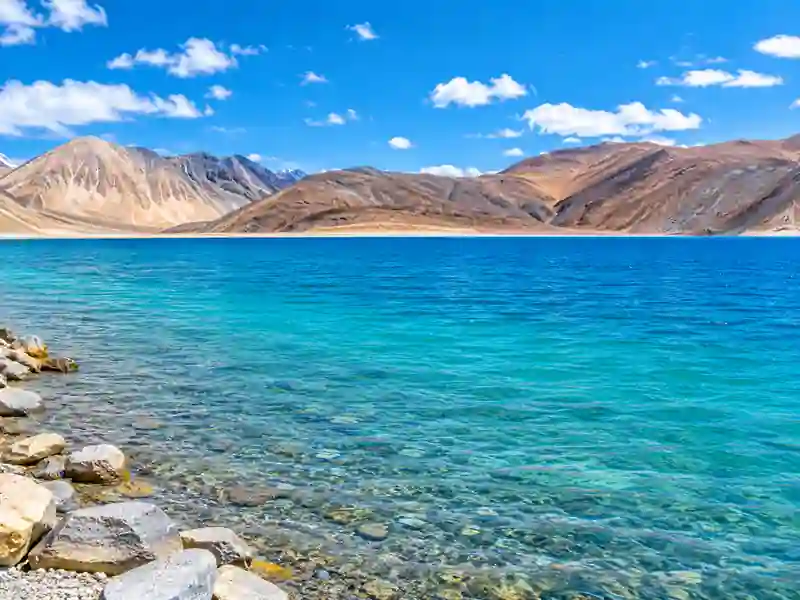
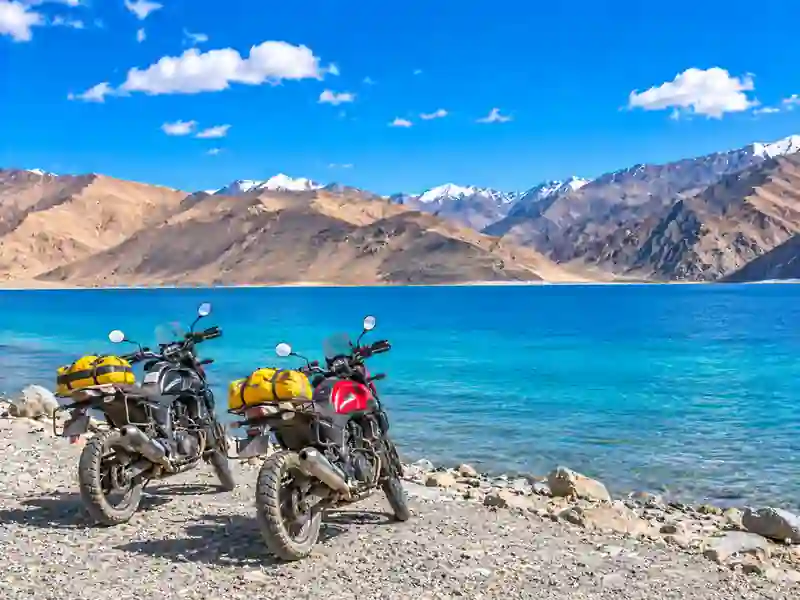
Pangong Tso, commonly called Pangong Lake, is one of Ladakh's most iconic natural attractions. Located at an altitude of approximately 4,225 metres, this remarkable high-altitude lake is famous for its brilliant blue waters and surrounding barren mountains.

The lake extends across the India–China border region and is known for its changing appearance under different lighting conditions.

Its crystal-clear water, dramatic mountain backdrop, and peaceful surroundings make it a favourite destination for photographers and nature enthusiasts.

Visitors generally explore the accessible Indian-side lake areas, where seasonal accommodation and sightseeing facilities may be available.

Because of the extreme altitude, cold temperatures, and sensitive border environment, travellers should follow local permit requirements and avoid strenuous activities without proper acclimatisation.

Tso Moriri – A Peaceful Himalayan Lake

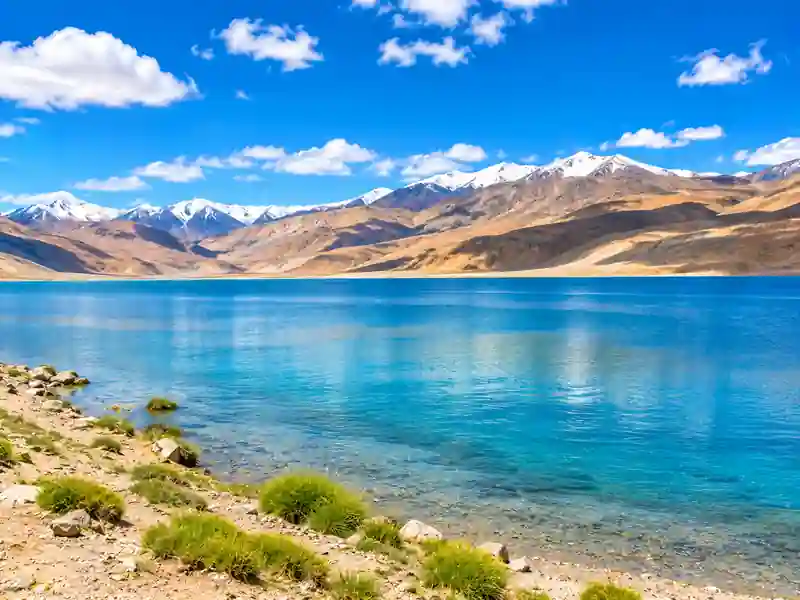
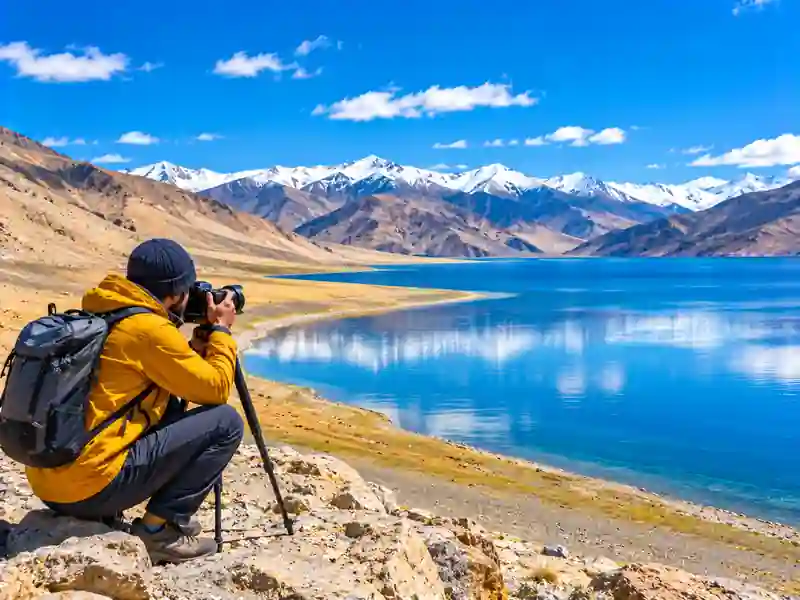
Tso Moriri Lake, situated in the Changthang region of Ladakh, is a beautiful high-altitude lake surrounded by remote mountains and expansive open landscapes.

Located at approximately 4,500 metres above sea level, Tso Moriri offers a quieter experience than many of Ladakh's busiest tourist attractions.

The nearby village of Korzok is known for its traditional settlement and Buddhist monastery.

The surrounding wetlands and high-altitude habitats support important wildlife and migratory birds, making the region significant for nature conservation.

Tso Moriri is especially suitable for travellers seeking peaceful landscapes, wildlife observation, and remote Himalayan experiences.

Visitors should respect environmental restrictions, avoid disturbing wildlife, and prepare carefully for the region's high altitude and limited facilities.

Ancient Monasteries and Ladakh's Buddhist Heritage

Ladakh is deeply influenced by Tibetan Buddhist traditions, which are reflected in its monasteries, religious festivals, architecture, and everyday cultural practices.

Hemis Monastery is one of the region's most important religious institutions and is particularly famous for the annual Hemis Festival, featuring traditional masked dances and ceremonial celebrations.

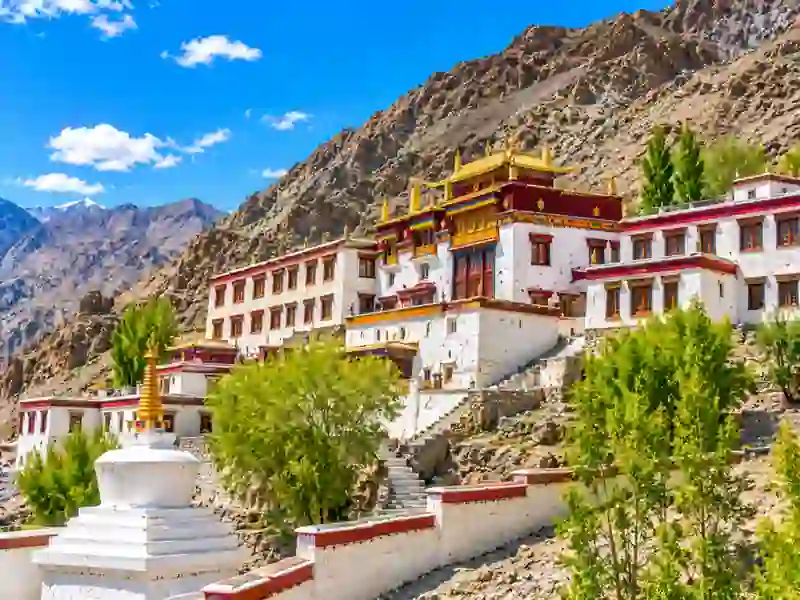
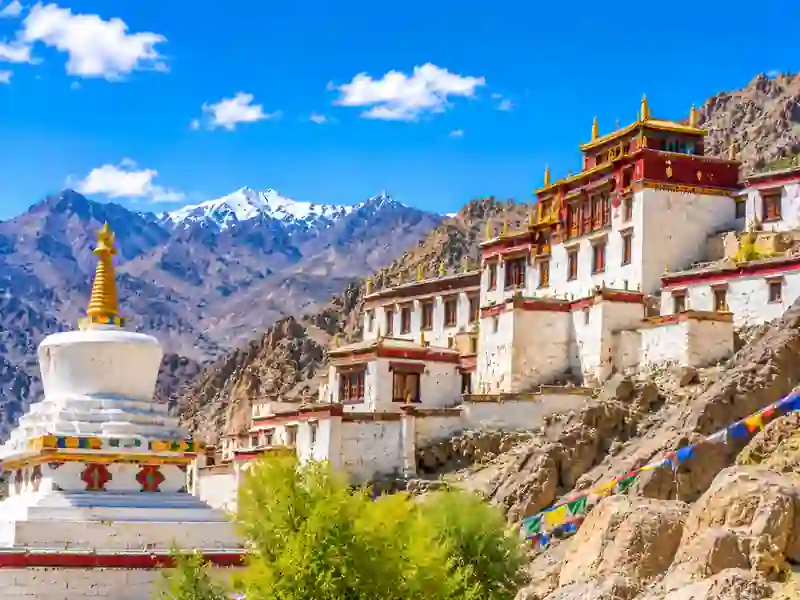
Thiksey Monastery, built on a hillside near Leh, is known for its striking architecture and large Maitreya Buddha statue.

Other significant monasteries include Alchi, Lamayuru, Diskit, Spituk, and Likir, each offering a distinctive combination of religious heritage, historic artwork, and mountain scenery.

Visitors can explore prayer halls where access is permitted, admire traditional murals, observe monastery architecture, and learn about the spiritual traditions of the region.

These monasteries make Ladakh an important destination for cultural tourism and spiritual exploration.

Adventure Activities and Mountain Experiences

Ladakh is one of India's most exciting destinations for high-altitude adventure, attracting travellers interested in road trips, trekking, mountain biking, and outdoor exploration.

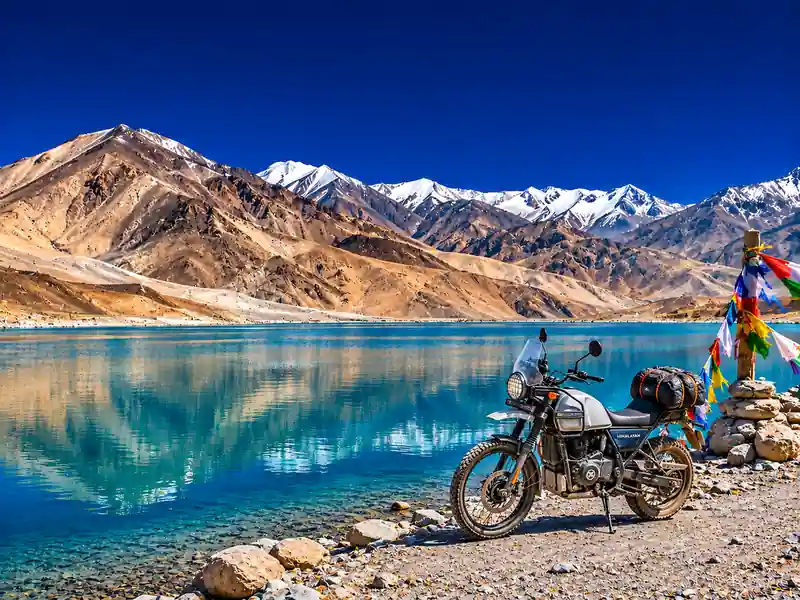
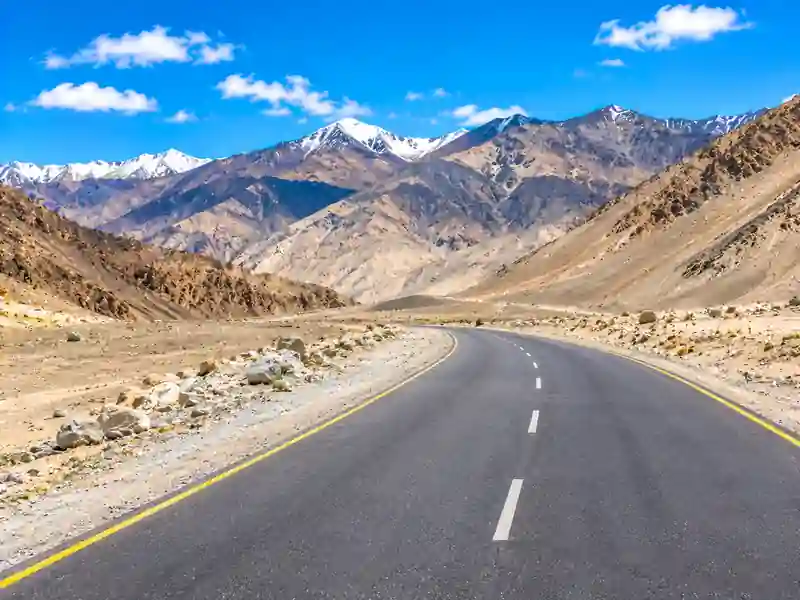
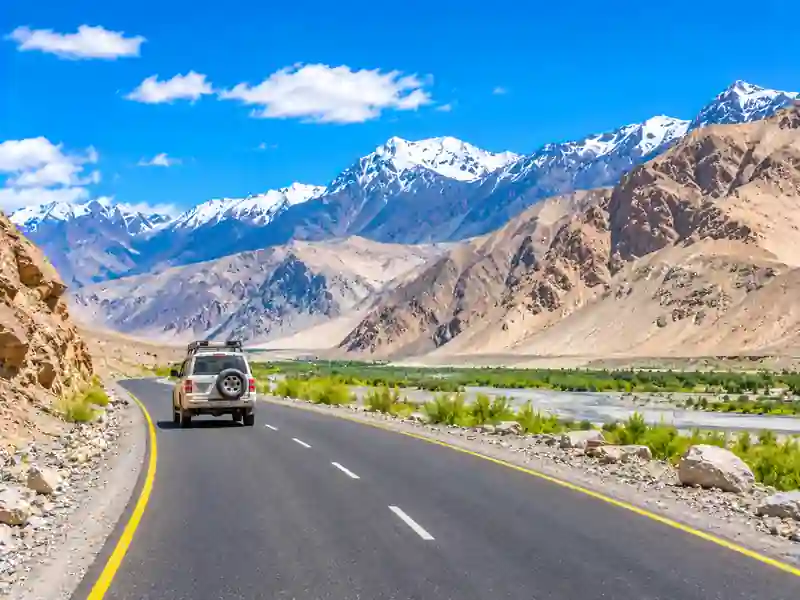
The region's scenic mountain roads are particularly popular among motorcycle enthusiasts. Routes connecting Leh with Nubra Valley, Pangong Lake, and other destinations offer dramatic landscapes and memorable journeys.

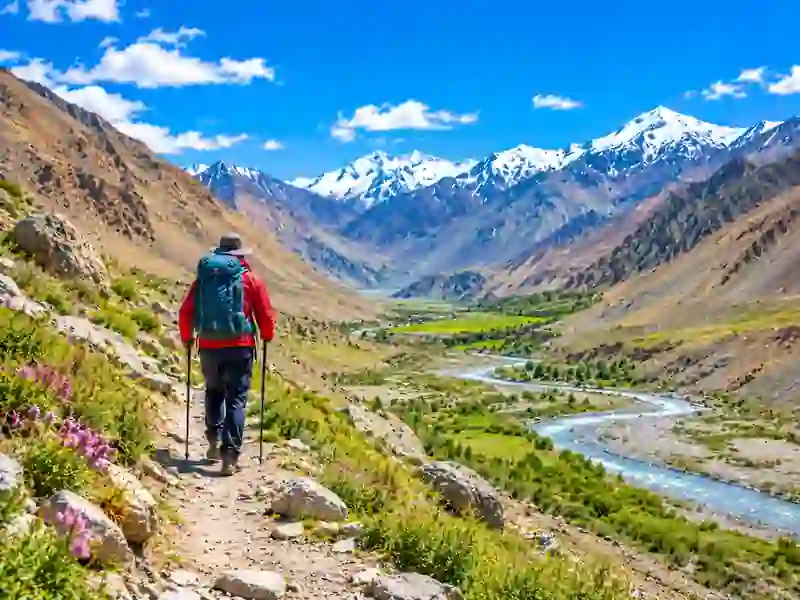
Popular trekking experiences include the Markha Valley Trek, Sham Valley routes, and other trails suited to different levels of fitness and experience.

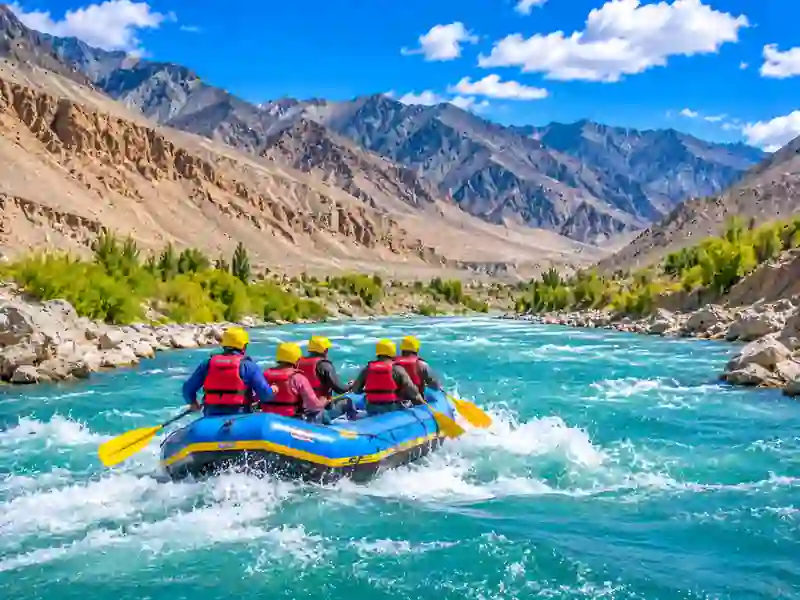
River rafting is available on selected stretches of the Zanskar and Indus rivers, depending on water conditions, operator availability, and safety regulations.

Adventure activities in Ladakh require careful preparation because of high altitude, rapidly changing weather, remote terrain, and limited medical facilities in certain areas.

Travellers should choose experienced local operators and plan activities according to their physical fitness and acclimatisation.

Wildlife and Natural Beauty of Ladakh

Despite its harsh climate and seemingly barren landscape, Ladakh supports a remarkable variety of high-altitude wildlife.

The region is home to species such as the snow leopard, Himalayan ibex, blue sheep (bharal), Himalayan marmot, and kiang, the Tibetan wild ass.

Hemis National Park is especially well known for its snow leopard habitat and conservation significance.

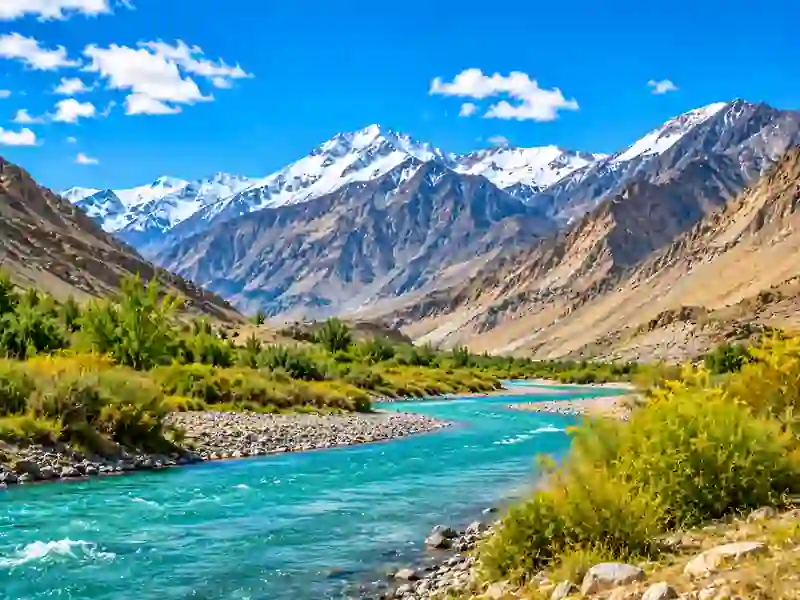
The Changthang region provides important habitats for high-altitude wildlife and bird species, while the Indus and Zanskar river valleys contribute to Ladakh's diverse natural environment.

Wildlife sightings are never guaranteed, and visitors should maintain a safe distance from animals and follow conservation guidelines.

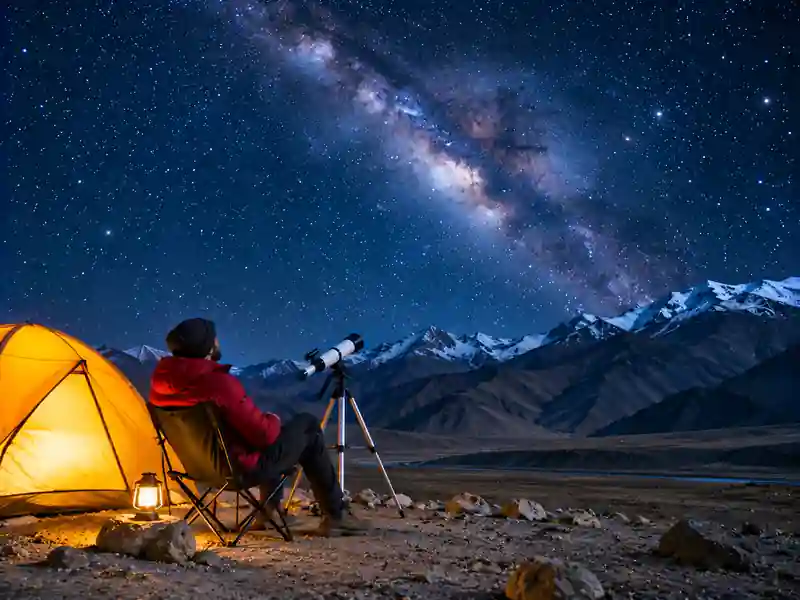
Ladakh's clear skies, dramatic mountain formations, remote valleys, and high-altitude lakes also make it an exceptional destination for landscape photography and stargazing.

Ladakhi Culture, Festivals and Local Cuisine

Ladakh's cultural identity is shaped by its Himalayan geography, Buddhist traditions, and the heritage of its diverse communities.

Traditional villages feature distinctive mud-brick houses, prayer flags, monasteries, and agricultural landscapes supported by seasonal streams and mountain water sources.

Local festivals such as Hemis Tsechu, Losar, and other monastery celebrations showcase traditional music, masked dances, ceremonial rituals, and community traditions.

Ladakhi cuisine reflects the region's cold climate and local food culture. Popular dishes include thukpa, momos, skyu, chutagi, and khambir, a traditional Ladakhi bread.

Visitors can also explore local markets for handmade woollen products, handicrafts, jewellery, and regional souvenirs.

Interacting respectfully with local communities and supporting locally operated businesses can make the travel experience more meaningful.

Best Time to Visit Ladakh

The best time to visit Ladakh is generally from May to September, when many popular sightseeing routes become accessible and weather conditions are comparatively favourable.

May and June offer beautiful mountain landscapes, while some high-altitude roads may still be affected by snow and seasonal closures.

July and August are popular for road trips, sightseeing, and outdoor adventures, although occasional rain, landslides, and road disruptions can affect travel.

September often offers clear mountain views, cooler temperatures, and attractive conditions for photography and sightseeing.

From October to April, Ladakh experiences extremely cold weather, with snowfall, freezing temperatures, and restricted road connectivity. Winter travel is possible in selected areas but requires additional preparation.

Road openings, weather conditions, and access restrictions vary each year, so travellers should verify current conditions before departure.

How to Reach Ladakh

Ladakh is accessible by air and seasonal mountain roads.

By Air: Kushok Bakula Rimpochee Airport in Leh connects Ladakh with Delhi and selected other Indian cities, depending on airline schedules.

By Road: The Srinagar–Leh and Manali–Leh highways are the principal road approaches. These routes are generally seasonal and depend on snowfall, weather, and road conditions.

By Train: Ladakh does not have a direct railway connection. Travellers can use railway stations in Jammu or other connected cities and continue their journey by road or air.

Some border-sensitive destinations require permits or other travel formalities, which may vary according to nationality and the area being visited.

Important Travel Tips for Visiting Ladakh

Due to Ladakh's high altitude and remote geography, proper travel planning is essential.

  • Allow adequate time to acclimatise after arriving in Leh, especially when travelling by air.

  • Avoid strenuous activities during the initial acclimatisation period.

  • Stay hydrated, dress in layers, and protect yourself from strong sunlight.

  • Check current road conditions and destination-specific permit requirements.

  • Carry essential medicines and consult a healthcare professional about altitude-related risks before travelling.

  • Respect local customs, monastery rules, and environmentally sensitive areas.

  • Avoid littering and minimise plastic waste around lakes, villages, and trekking routes.

Why Ladakh Is a Unique Travel Destination

Ladakh offers a remarkable combination of dramatic Himalayan landscapes, ancient monasteries, high-altitude lakes, remote valleys, and distinctive cultural experiences.

Unlike conventional hill stations, Ladakh is defined by its cold desert environment, extraordinary mountain roads, and peaceful settlements surrounded by vast open landscapes.

Adventure enthusiasts can enjoy scenic road journeys and trekking routes, photographers can capture striking mountain scenery, and cultural travellers can discover centuries-old monasteries and traditional Ladakhi villages.

From the turquoise waters of Pangong Tso to the desert landscapes of Nubra Valley and the spiritual heritage of Leh, every region offers a different perspective on the Himalayas.

Explore Ladakh with Travel Ride and discover a destination where extraordinary landscapes, rich cultural traditions, and unforgettable mountain experiences come together.

Top Places to Visit in Ladakh

View All Places →

Explore the best places to visit in Ladakh, from the breathtaking Pangong Lake and Nubra Valley to the historic monasteries of Leh. Discover the peaceful beauty of Tso Moriri, the dramatic landscapes of the Zanskar Valley, and scenic mountain passes surrounded by the majestic Himalayas.

Pangong Tso Lake
Pangong Tso Lake
  • Admire the changing shades of turquoise-blue water.
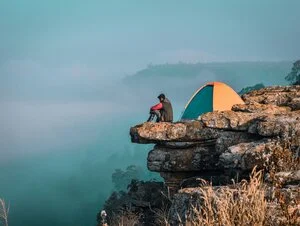
  • Enjoy spectacular photography along the scenic lakeshore.

  • Experience peaceful surroundings at over 4,200 metres altitude.

Nubra Valley
Nubra Valley
  • Discover the famous Hunder Sand Dunes.

  • Experience the region's unique double-humped Bactrian camels.

  • Visit scenic villages surrounded by rugged mountain landscapes.

Leh
Leh
  • Explore the historic Leh Palace and its architecture.

  • Visit Shanti Stupa for panoramic views of Leh.

  • Discover traditional handicrafts and local cuisine at Leh Market.

Tso Moriri Lake
Tso Moriri Lake
  • Admire breathtaking lake reflections and mountain scenery.

  • Explore Korzok village and its historic monastery.

  • Observe high-altitude birdlife in protected natural surroundings.

Zanskar Valley
Zanskar Valley
  • Discover spectacular landscapes along the Zanskar River.

  • Visit historic monasteries such as Karsha and Phugtal.

  • Experience remote villages and traditional Zanskari culture.

Magnetic Hill
Magnetic Hill
  • Experience the fascinating apparent uphill movement illusion.

  • Capture photographs of the surrounding barren mountains.

  • Explore the scenic Leh–Kargil highway landscape.

Hemis Monastery
Hemis Monastery
  • Explore historic prayer halls and Buddhist artwork.

  • Learn about the famous annual Hemis Festival.

  • Experience peaceful monastery surroundings and cultural traditions.

Lamayuru Monastery
Lamayuru Monastery
  • Admire the surrounding landscapes known as Moonland.

  • Explore traditional Buddhist architecture and prayer halls.

  • Capture spectacular views of the rugged mountain valleys.

Things to Do in Ladakh

View All Experiences →

Experience the best things to do in Ladakh, from thrilling mountain road trips and high-altitude trekking to exploring ancient Buddhist monasteries. Enjoy river rafting, wildlife photography, peaceful lakeside sightseeing, and unforgettable adventures surrounded by the spectacular landscapes of the Himalayas.

Explore Pangong Lake
  • Admire the lake's changing blue shades and surrounding mountains.
  • Capture spectacular landscape photographs along the lakeshore.
  • Experience the peaceful atmosphere of this iconic Himalayan lake.
Experience a Road Trip to Nubra Valley
  • Travel through spectacular mountain roads towards Nubra Valley.
  • Explore the famous sand dunes of Hunder.
  • Discover traditional villages and breathtaking valley viewpoints.
Visit Ancient Buddhist Monasteries
  • Visit Hemis, Thiksey, and Diskit monasteries.
  • Admire traditional murals, prayer halls, and Buddha statues.
  • Experience peaceful surroundings and learn about Ladakhi culture.
Enjoy River Rafting in Ladakh
  • Enjoy guided rafting experiences through dramatic river valleys.
  • Admire towering mountains and spectacular canyon landscapes.
  • Choose suitable rafting routes according to experience and conditions.
Trek Through the Himalayan Valleys
  • Explore popular trails such as the Markha Valley Trek.
  • Walk through traditional villages and beautiful mountain valleys.
  • Experience breathtaking Himalayan scenery and outdoor adventure.
Explore Tso Moriri Lake
  • Admire stunning reflections across the high-altitude lake.
  • Explore the traditional village of Korzok.
  • Observe the region's natural beauty and birdlife responsibly.
Discover Ladakhi Culture and Local Markets
  • Explore Leh Market for handicrafts and traditional souvenirs.
  • Taste local dishes such as thukpa, momos, and skyu.
  • Discover traditional architecture, festivals, and village culture.
Experience Stargazing in Ladakh
  • Observe stars and constellations under clear Himalayan skies.
  • Enjoy night-sky photography in suitable low-light locations.
  • Experience peaceful mountain surroundings after sunset.

Best Time to Visit Ladakh

View More →

May to September is generally the best time to visit Ladakh for sightseeing, mountain road trips, and outdoor adventures. Summer offers comparatively favourable conditions, while autumn brings clear skies and winter transforms the region into a snow-covered Himalayan landscape.

☀️Summer (May–June)Mar – Jun

Enjoy improving weather, spectacular mountain scenery, and sightseeing around Leh, while some high-altitude roads may remain snowbound.

🌧️Monsoon (July–August)Jul – Sep

Explore Ladakh's high-altitude landscapes and popular attractions, but prepare for possible landslides and disruptions along approach highways.

🍁Autumn (September–October)Oct – Nov

Experience crisp mountain air, clear skies, fewer crowds, and beautiful photography conditions before temperatures drop significantly.

❄️Winter (November–April)Dec – Feb

Discover snow-covered landscapes, frozen lakes, and unique winter scenery, with extreme cold and restricted road accessibility.

How to Reach Ladakh

View More →

Ladakh is accessible by air through Leh Airport and by seasonal mountain highways from Srinagar and Manali. Travellers can enjoy spectacular Himalayan road journeys, while air travel provides a convenient connection from major Indian cities.

✈️By Air – How to Reach Ladakh by Flight

Fly to Leh's Kushok Bakula Rimpochee Airport from Delhi and other connected cities, depending on available flight schedules.

🚆By Train – How to Reach Ladakh by Railway

Ladakh has no railway station. Travel by train to Jammu and continue towards Leh using available road connections.

🚙By Road – How to Reach Ladakh by Road

Reach Ladakh through the Srinagar–Leh or Manali–Leh highways, generally accessible during warmer months depending on road conditions.

Frequently Asked Questions

Helpful answers about Ladakh.

How many days are required to cover Leh, Nubra Valley, Pangong Lake, and Tso Moriri in one Ladakh trip?

A 7–9-day Ladakh itinerary is generally suitable for exploring Leh, Nubra Valley, Pangong Lake, and Tso Moriri without rushing. Travelers should spend the first 48 hours in Leh acclimatizing before visiting higher-altitude destinations. A practical route can include two nights in Leh, one or two nights in Nubra Valley, one night near Pangong Lake, and an overnight stay around Tso Moriri, depending on road conditions and accommodation availability. Visitors with only 5–6 days should prioritize Leh, Nubra Valley, and Pangong Lake rather than attempting to include every destination. Additional buffer time is recommended for weather-related road disruptions.

Is it safe to fly directly to Leh, and how many days are needed for altitude acclimatization?

Flying directly to Leh brings travelers to an altitude of approximately 3,500 meters, where reduced oxygen availability can cause acute mountain sickness. Visitors should spend at least the first 48 hours resting and acclimatizing before attempting strenuous activities or traveling to higher-altitude destinations. During this period, light local sightseeing may be possible if travelers feel well, but long drives and demanding excursions should be avoided. Symptoms such as headache, nausea, dizziness, and unusual fatigue should not be ignored. Travelers with heart, lung, or other significant medical conditions should consult their doctor before visiting. Severe or worsening altitude symptoms require prompt medical assessment and may require descent.

Which route is better for a Ladakh road trip: Srinagar–Leh or Manali–Leh?

The Srinagar–Leh route is often preferred by travelers seeking a more gradual increase in altitude, making it a practical option for road-based acclimatization when the itinerary includes suitable overnight stops. The Manali–Leh route offers dramatic high-altitude landscapes but involves crossing several mountain passes and spending extended periods at considerable elevations. Both routes are seasonal and may close because of snowfall, landslides, or maintenance work. Travelers should not attempt either route without checking current road conditions and overnight accommodation availability. A road trip combining Srinagar, Leh, and Manali can provide a memorable circuit, but it requires sufficient travel days and careful altitude planning.

Can Nubra Valley and Pangong Lake be covered without returning to Leh?

Yes, travelers can sometimes travel directly from Nubra Valley to Pangong Lake using routes such as the Shyok road, avoiding the need to return to Leh. This arrangement can reduce unnecessary driving and is commonly included in carefully planned Ladakh itineraries. However, road conditions along the Shyok route can change because of water crossings, landslides, and weather-related damage. Travelers should confirm whether the route is officially open and suitable for their vehicle before departure. A direct Nubra-to-Pangong journey should be attempted with an experienced local driver and adequate fuel, water, and essential supplies.

Do Indian tourists need permits to visit Nubra Valley, Pangong Lake, Tso Moriri, and Hanle?

Permit and fee requirements in Ladakh depend on the traveler's nationality, destination, and current administrative regulations. Indian tourists may need to complete the applicable online registration or environmental fee formalities for certain protected or regulated areas. Foreign nationals can face additional Protected Area Permit requirements, particularly near sensitive border regions. Destinations such as Nubra Valley, Pangong Lake, Tso Moriri, and Hanle may also be subject to route-specific access restrictions. Travelers should not assume that permission for one location automatically covers every nearby destination. Before departure, confirm the latest requirements through official Ladakh administration channels and carry valid identification documents.

Is it better to stay overnight at Pangong Lake or visit it as a day trip from Leh?

An overnight stay near Pangong Lake allows travelers to experience the changing colors of the lake, early morning scenery, and the peaceful atmosphere of the surrounding mountains. However, accommodation around Pangong is relatively basic compared with Leh, and nighttime temperatures can drop sharply even during summer. Pangong Lake is situated at approximately 4,200 meters, making altitude acclimatization particularly important. A day trip from Leh involves several hours of mountain driving in each direction and can be exhausting. Travelers who are properly acclimatized and comfortable with limited facilities may prefer an overnight stay, while others may choose a shorter excursion with suitable rest arrangements.

Which is better for experiencing Ladakh's landscapes: Nubra Valley, Pangong Lake, Tso Moriri, or Hanle?

Each destination offers a different side of Ladakh. Nubra Valley is known for its sand dunes, double-humped Bactrian camels, monasteries, and mountain scenery. Pangong Lake attracts travelers with its striking blue waters and dramatic lakeside landscapes. Tso Moriri offers a quieter high-altitude lake experience with opportunities to observe the surrounding natural environment. Hanle is particularly appealing to travelers interested in remote landscapes and stargazing, subject to weather and local restrictions. Visitors with limited time often prioritize Nubra Valley and Pangong Lake, while those seeking less crowded experiences may prefer Tso Moriri or Hanle after allowing sufficient acclimatization time.

Can tourists visit Umling La Pass during a Ladakh trip, and is it suitable for first-time visitors?

Umling La is a high-altitude motorable pass in eastern Ladakh that attracts travelers interested in challenging mountain road journeys. However, access depends on current road conditions, administrative permissions, and security restrictions in the surrounding border-sensitive region. The pass is located at an extreme altitude of approximately 5,800 meters, where oxygen levels are significantly lower than in Leh. It should not be attempted immediately after arriving in Ladakh. Travelers should complete adequate acclimatization and understand the risks of altitude illness before considering the journey. Visitors with significant medical conditions should seek medical advice, and any trip should be planned with an experienced local driver.

Is Ladakh suitable for senior citizens and families with children, or is the altitude too challenging?

Ladakh can be visited by some families and senior citizens, but high altitude makes careful planning essential. Leh itself is situated around 3,500 meters, while popular excursions involve even higher elevations. Travelers with young children, elderly family members, or existing medical conditions should seek appropriate medical advice before departure. A comfortable itinerary should begin with adequate acclimatization, avoid strenuous activities during the first two days, and include manageable road journeys. Families should also consider limited medical facilities in remote areas, cold nighttime temperatures, and basic accommodation at certain destinations. Helicopter or vehicle travel does not eliminate the risk of altitude sickness.

What is the best month for a Ladakh bike trip, and can tourists ride through Khardung La and Chang La?

June to September is generally the preferred period for Ladakh motorcycle trips because major mountain roads are more likely to be accessible, although conditions can change rapidly. Khardung La and Chang La are popular high-altitude passes frequently included in motorcycle itineraries connecting Leh with Nubra Valley and Pangong Lake. Riders should be prepared for cold temperatures, rough road sections, water crossings, and reduced engine performance at high altitude. Proper acclimatization is essential before crossing these passes. Travelers should also confirm motorcycle rental rules, protective equipment, fuel availability, and current road restrictions. Riding experience on challenging mountain roads is strongly recommended.

Can tourists see the Milky Way and enjoy astrophotography in Hanle or Pangong Lake?

Ladakh offers excellent opportunities for stargazing because many remote locations have relatively low light pollution and clear skies during suitable weather conditions. Hanle is particularly known for its astronomical significance and dark night skies, while areas around Pangong Lake and Tso Moriri can also offer impressive night views. However, Milky Way visibility depends on the season, moon phase, cloud cover, and atmospheric conditions. Travelers should not assume that the Milky Way will be clearly visible every night. Astrophotography enthusiasts should plan around darker moon phases, carry suitable camera equipment, and follow local restrictions near sensitive border areas.

Can tourists visit Ladakh during winter, and which attractions remain accessible from November to March?

Ladakh can be visited during winter, but the experience differs significantly from a summer road trip. Leh remains accessible by air when flights operate, while the Srinagar–Leh and Manali–Leh highways generally face seasonal closures because of heavy snowfall. Some local attractions and selected routes toward Nubra Valley or Pangong Lake may remain accessible depending on weather and road clearance, but access cannot be guaranteed. Winter temperatures can fall far below freezing, and accommodation, heating, and transportation options may be limited. Travelers should choose experienced local operators, prepare for extreme cold, and avoid rigid itineraries that depend on uninterrupted mountain road access.