+91 95575 59891Call for Best DealsPlan My Trip →
Home › Destinations › Uttar Pradesh

Uttar Pradesh

Discover India's Spiritual & Cultural Heartland.

⌖Explore
Places
✧Travel
Experiences
▤Travel
Guides
♧Nature &
Culture

About Uttar Pradesh

Uttar Pradesh, located in northern India, is one of the country's most historically significant and culturally diverse travel destinations. Known for its ancient temples, sacred rivers, magnificent Mughal architecture, royal heritage, and vibrant traditions, Uttar Pradesh offers an extraordinary journey through India's spiritual and historical legacy.

Home to world-famous destinations such as Agra, Varanasi, Ayodhya, Mathura, Vrindavan, Lucknow, and Prayagraj, the state attracts pilgrims, history enthusiasts, families, photographers, and cultural travellers throughout the year.

The sacred Ganga and Yamuna rivers, centuries-old monuments, colourful festivals, traditional handicrafts, and distinctive regional cuisine make Uttar Pradesh an important destination for travellers seeking meaningful experiences beyond conventional sightseeing.

Agra – Home to the Magnificent Taj Mahal

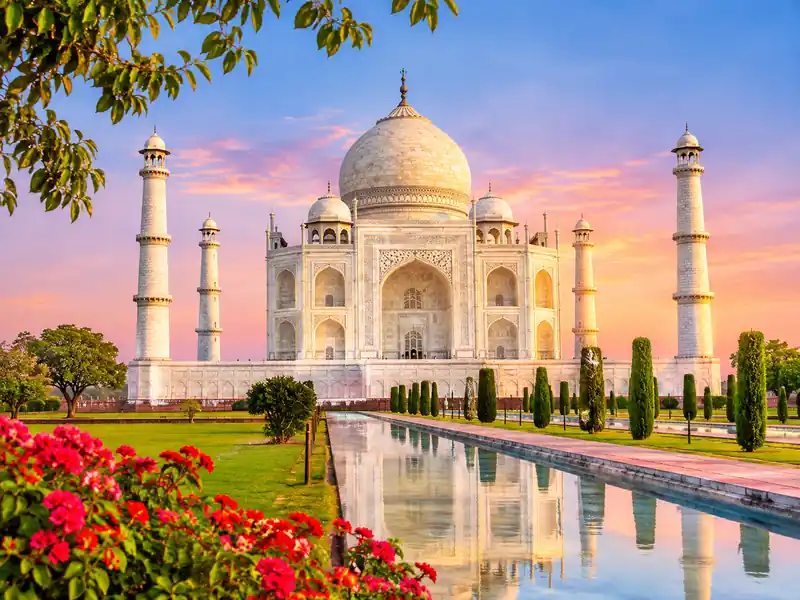
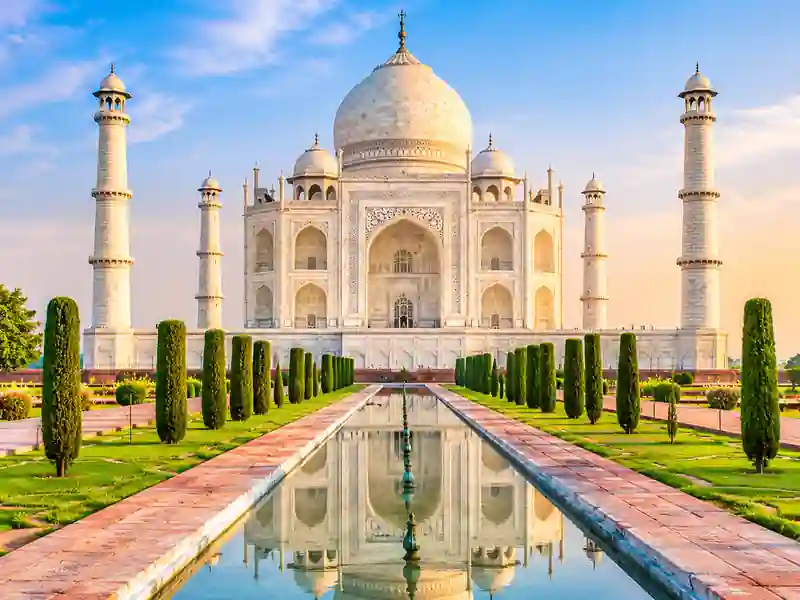
Agra is one of Uttar Pradesh's most famous tourist destinations, internationally recognised for the magnificent Taj Mahal, a UNESCO World Heritage Site and one of India's most celebrated architectural landmarks.

Built during the Mughal period, the Taj Mahal is admired for its white marble architecture, intricate decorative details, and beautifully designed gardens.

Other important attractions include Agra Fort, another UNESCO World Heritage Site, and the historic city of Fatehpur Sikri, known for its impressive Mughal architecture.

Travellers can also explore traditional markets, discover marble inlay craftsmanship, and experience the city's rich culinary heritage.

Varanasi – The Spiritual City on the Ganges

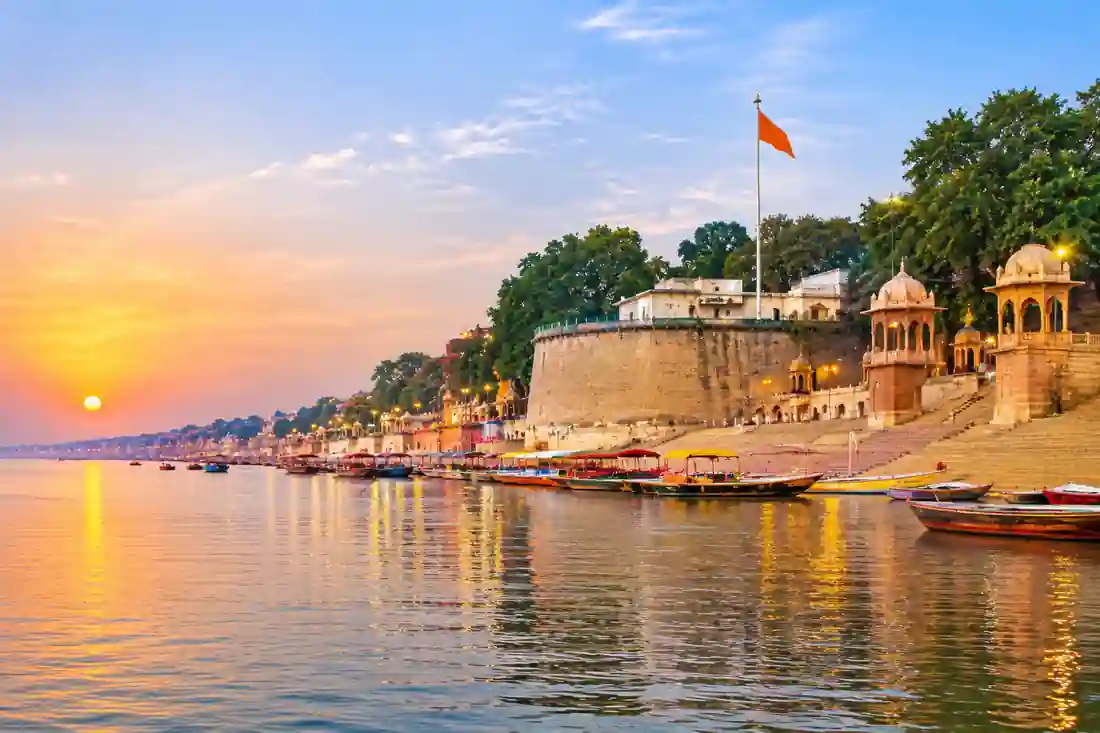
Varanasi, also known as Kashi or Banaras, is among the world's oldest continuously inhabited cities and one of Hinduism's most sacred pilgrimage destinations.

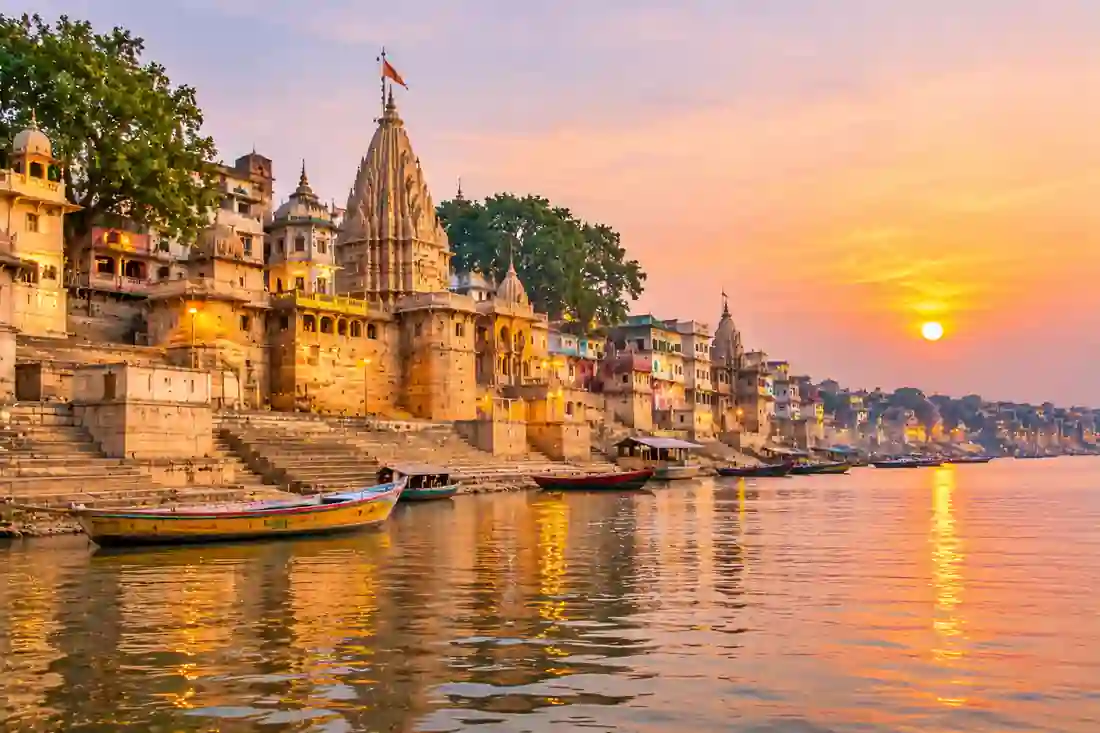
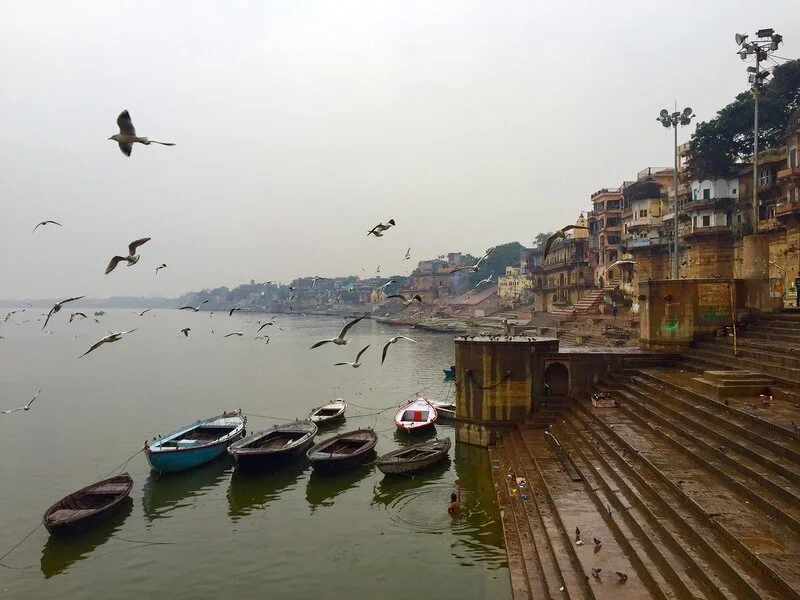
Situated along the banks of the River Ganga, Varanasi is famous for its ancient ghats, historic temples, traditional streets, and spiritual atmosphere.

The Kashi Vishwanath Temple, dedicated to Lord Shiva, is one of the city's most important religious landmarks.

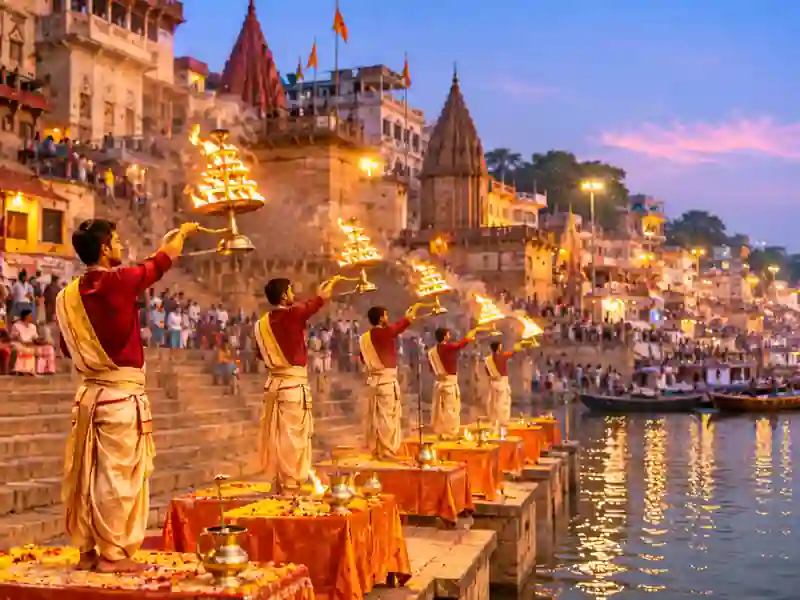
Visitors can experience the evening Ganga Aarti at Dashashwamedh Ghat, explore Assi Ghat, and enjoy boat rides along the river when conditions permit.

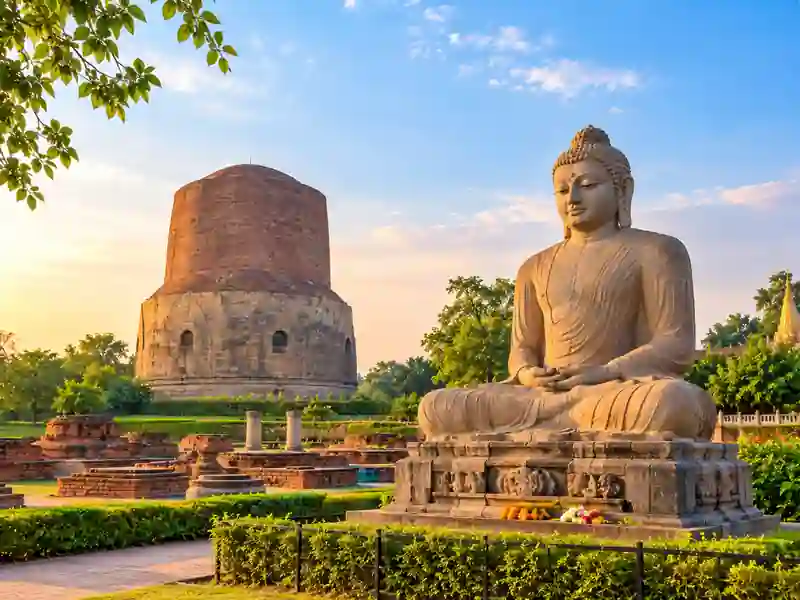
Nearby Sarnath, associated with Buddha's first teaching after enlightenment, is an important Buddhist pilgrimage destination.

Ayodhya – The Sacred Birthplace of Lord Rama

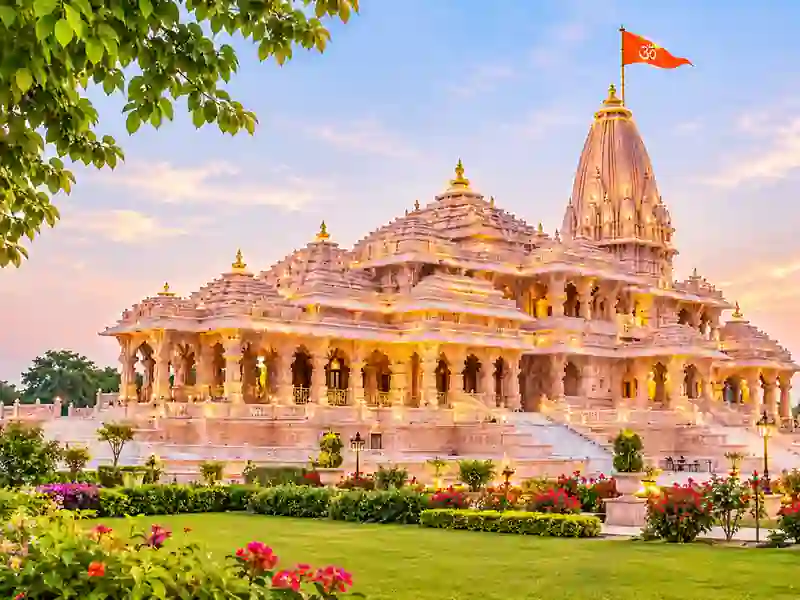
Ayodhya, situated along the River Sarayu, is one of India's most revered Hindu pilgrimage destinations and is traditionally regarded as the birthplace of Lord Rama.

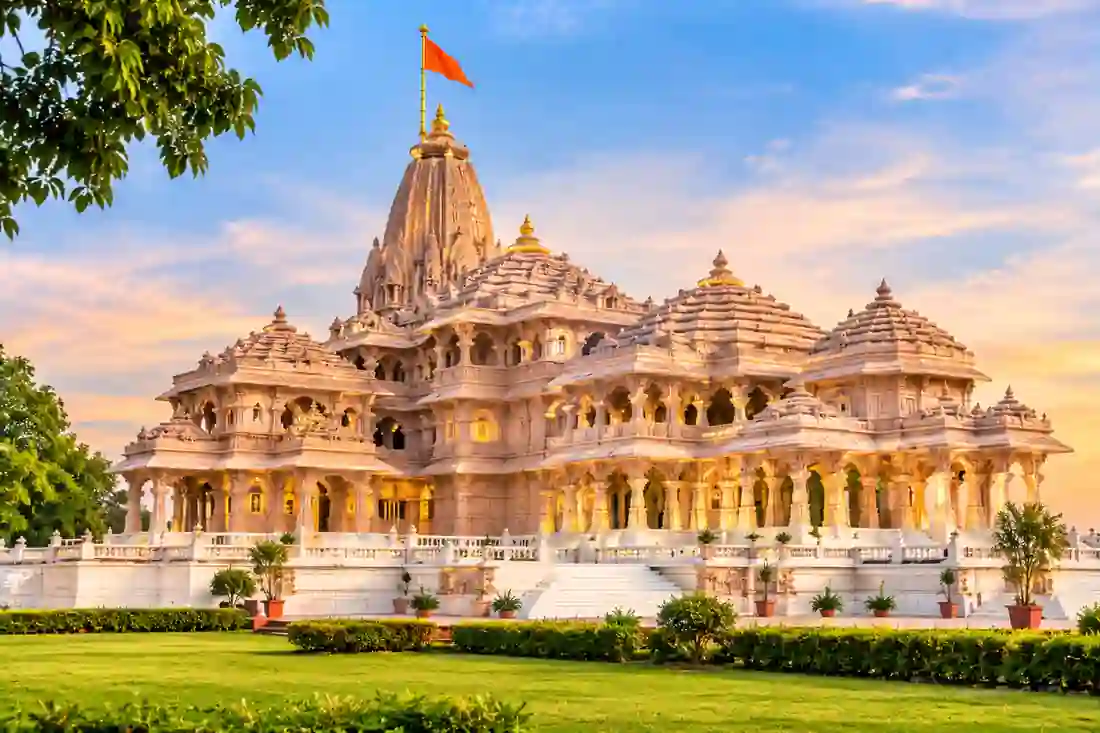
The city is especially famous for the Shri Ram Janmabhoomi Mandir, which attracts devotees from across India and abroad.

Other important attractions include Hanuman Garhi, Kanak Bhawan, Dashrath Mahal, and the Sarayu Ghats.

Ayodhya's spiritual importance becomes particularly visible during festivals such as Ram Navami and Deepotsav, when religious celebrations and cultural events bring the city to life.

Visitors can explore its temples, historic religious sites, and traditional markets while experiencing the city's devotional atmosphere.

Mathura and Vrindavan – The Land of Lord Krishna

Mathura and Vrindavan are among India's most important Krishna pilgrimage destinations, closely associated with the life and traditions of Lord Krishna.

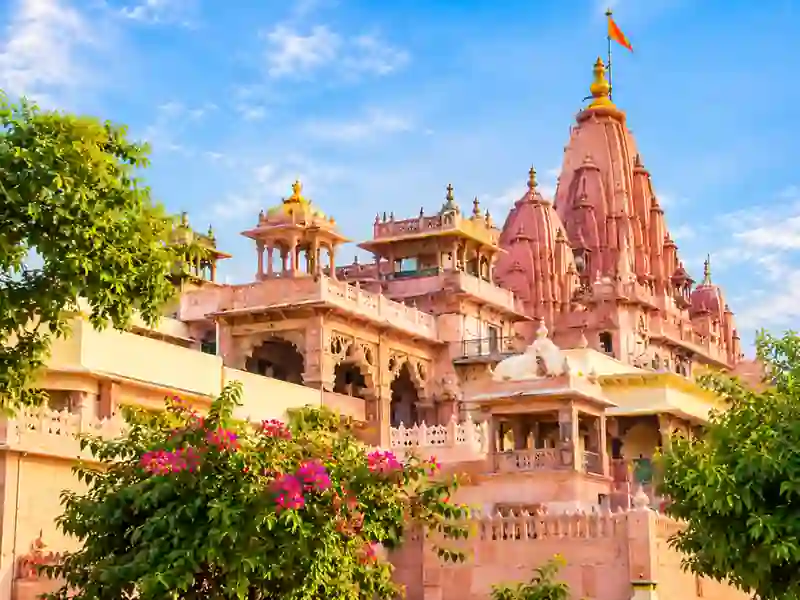
Mathura is traditionally regarded as Krishna's birthplace and is home to the Shri Krishna Janmabhoomi Temple and other significant religious sites.

Nearby Vrindavan is famous for Banke Bihari Temple, ISKCON Temple, Prem Mandir, and Radha Raman Temple.

The region is particularly vibrant during Holi and Janmashtami, when devotional music, temple celebrations, and colourful festivities attract large numbers of visitors.

Other important destinations in the Braj region include Govardhan, Barsana, and Gokul.

Lucknow – The City of Nawabs

Lucknow, the capital of Uttar Pradesh, is celebrated for its Nawabi heritage, elegant architecture, traditional cuisine, and refined cultural traditions.

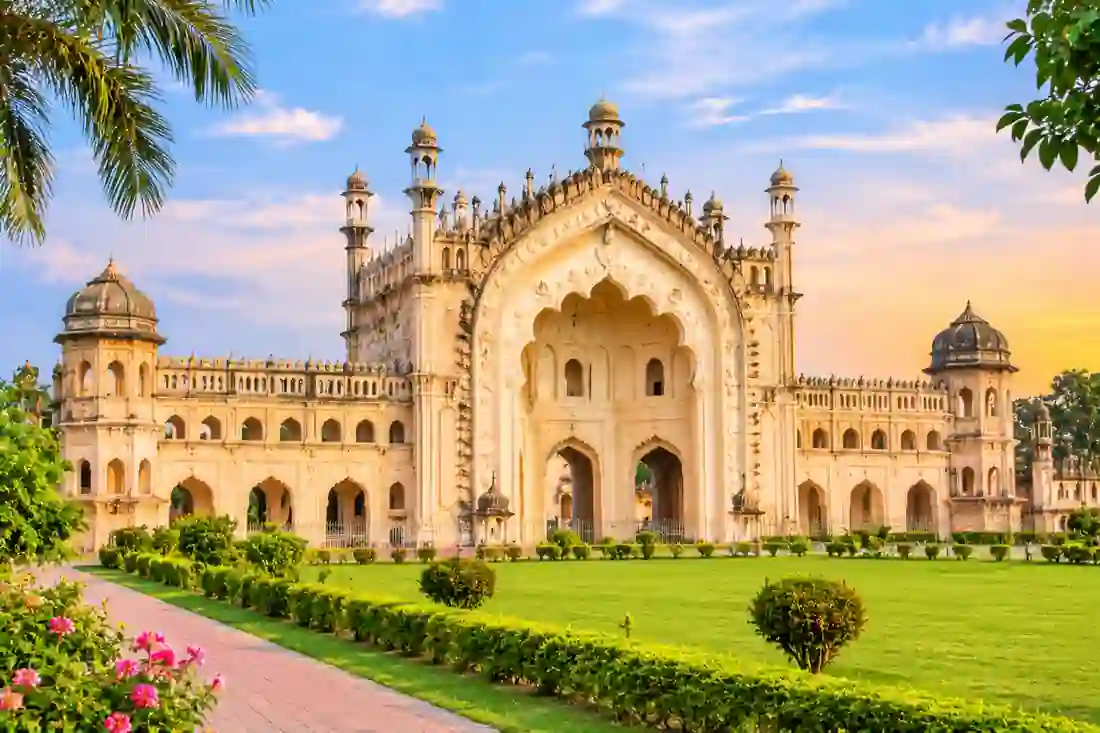
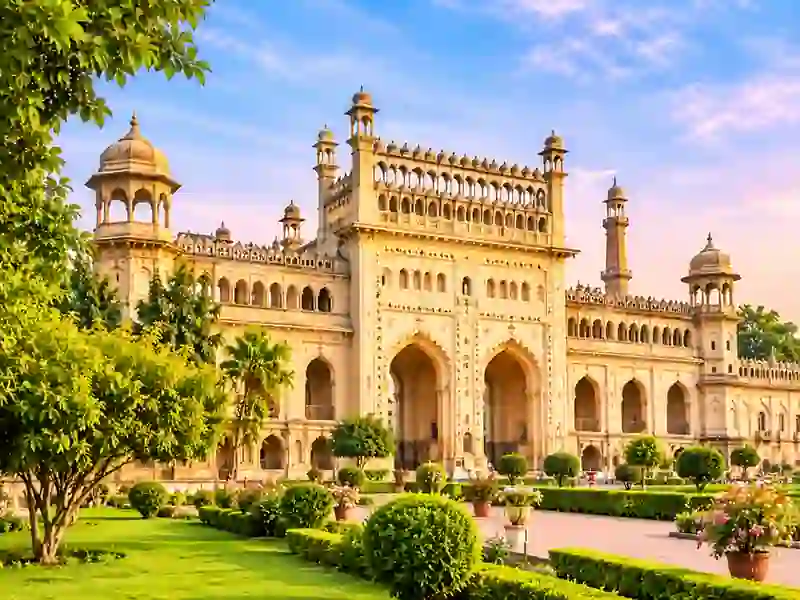
The city is home to important historical landmarks such as Bara Imambara, Chota Imambara, Rumi Darwaza, and the British Residency.

Lucknow is also famous for its traditional Chikankari embroidery, bustling markets, and Awadhi cuisine.

Popular local dishes include kebabs, biryani, and other delicacies influenced by the region's culinary history.

Visitors can explore historic monuments, shop for traditional textiles, and discover the city's distinctive combination of heritage and modern urban life.

Prayagraj – The Sacred Sangam City

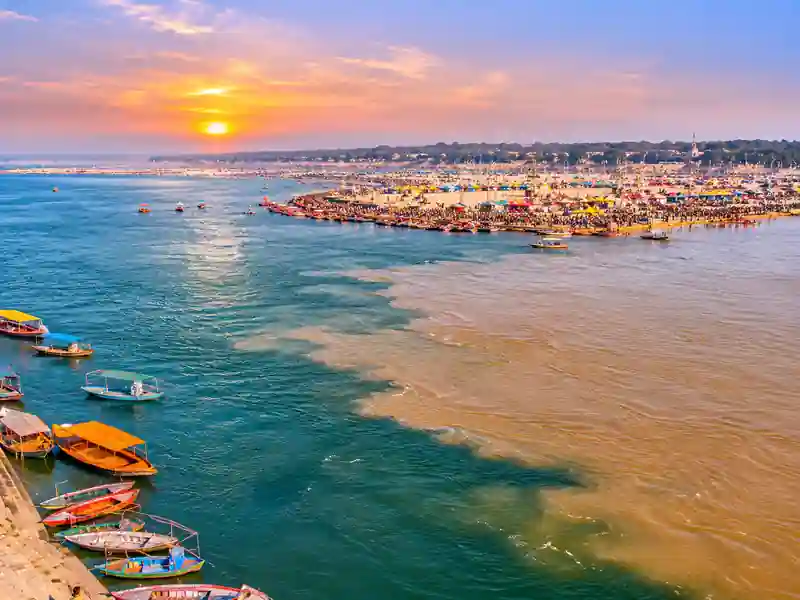
Prayagraj, formerly known as Allahabad, is an important spiritual and historical destination located at the confluence of the Ganga and Yamuna rivers, traditionally associated with the mythical Saraswati.

The sacred Triveni Sangam attracts pilgrims who visit for religious bathing and spiritual ceremonies.

Prayagraj is internationally recognised for the Kumbh Mela, one of the world's largest religious gatherings, held according to the Hindu calendar.

Other attractions include Anand Bhavan, Allahabad Fort, Khusro Bagh, and the historic university area.

The city offers a combination of religious significance, colonial-era history, and cultural heritage.

Buddhist Heritage and Ancient Pilgrimage Sites

Uttar Pradesh plays an important role in Buddhist history and pilgrimage tourism.

Sarnath, near Varanasi, is associated with the place where Gautama Buddha delivered his first teaching after attaining enlightenment.

Kushinagar is traditionally recognised as the place where Buddha attained Mahaparinirvana.

Shravasti is another important Buddhist destination associated with Buddha's teachings and monastic life.

These destinations attract pilgrims and cultural travellers interested in Buddhist philosophy, archaeology, ancient monasteries, and religious heritage.

Wildlife, Nature and Scenic Landscapes

Although Uttar Pradesh is best known for its religious and historical attractions, the state also offers diverse natural landscapes and wildlife experiences.

Dudhwa National Park, located in the Terai region near the Nepal border, is known for its forests, grasslands, wetlands, and wildlife habitats.

The park supports species such as tigers, swamp deer, elephants, and numerous bird species.

Pilibhit Tiger Reserve is another important wildlife destination known for its forest ecosystems and conservation significance.

The Chambal River region, accessible from parts of western Uttar Pradesh, is recognised for its riverine wildlife, including gharials and various bird species.

Nature enthusiasts can also explore riverfront landscapes, rural countryside, and protected forest areas across the state.

Wildlife safaris and park access depend on seasonal schedules and conservation regulations.

Festivals, Traditions and Cultural Experiences

Uttar Pradesh is home to a rich variety of festivals, religious traditions, folk arts, and cultural celebrations.

Diwali in Ayodhya, Holi in Mathura and Vrindavan, Dev Deepawali in Varanasi, and the Kumbh Mela in Prayagraj are among the state's most recognised celebrations.

Traditional arts such as Kathak dance, Banarasi silk weaving, Lucknow Chikankari embroidery, and brassware craftsmanship reflect the region's artistic heritage.

Local markets offer opportunities to explore handicrafts, traditional clothing, religious souvenirs, and regional products.

Uttar Pradesh is also famous for its diverse cuisine, including Lucknowi kebabs, Banarasi kachori, Agra petha, Mathura peda, and traditional North Indian sweets.

Best Time to Visit Uttar Pradesh

The best time to visit Uttar Pradesh is generally from October to March, when temperatures are comparatively pleasant for temple visits, heritage sightseeing, and cultural exploration.

October to November offers improving weather after the monsoon and coincides with several important festivals.

December to February brings cooler temperatures, particularly in northern areas, with occasional dense fog affecting road, rail, and air travel.

March is often suitable for sightseeing, although temperatures begin rising towards summer.

From April to June, many parts of Uttar Pradesh experience intense heat, making early-morning and evening sightseeing preferable.

The monsoon season, generally July to September, brings rainfall and greener landscapes but can also cause flooding, humidity, and travel disruptions in some areas.

How to Reach Uttar Pradesh

Uttar Pradesh is well connected to major Indian cities through airports, an extensive railway network, and national highways.

By Air: Major airports serving the state include Lucknow, Varanasi, Ayodhya, and Kushinagar, along with other operational airports. Flight connectivity varies by destination and airline schedule.

By Train: Important railway stations include Lucknow, Varanasi, Agra, Prayagraj, Mathura, and Ayodhya, with connections to numerous cities across India.

By Road: Uttar Pradesh is connected through national highways and expressways, including the Yamuna Expressway, Agra–Lucknow Expressway, and Purvanchal Expressway.

Travellers can use buses, private taxis, and other available transport services to explore destinations within the state.

Why Uttar Pradesh Is a Unique Travel Destination

Uttar Pradesh offers an exceptional combination of spirituality, history, architecture, culture, and natural beauty.

Travellers can admire the Taj Mahal in Agra, experience the sacred Ganga Aarti in Varanasi, explore the temples of Ayodhya and Vrindavan, discover Nawabi heritage in Lucknow, and visit important Buddhist pilgrimage sites.

The state's diverse destinations make it suitable for pilgrimage journeys, family holidays, heritage exploration, photography, and cultural travel.

From ancient riverfront cities and UNESCO World Heritage Sites to colourful festivals and traditional crafts, Uttar Pradesh provides an immersive introduction to India's rich cultural heritage.

Discover Uttar Pradesh with Travel Ride and explore a remarkable destination where spirituality, history, and living traditions come together.

Top Places to Visit in Uttar Pradesh

View All Places →

Explore the best places to visit in Uttar Pradesh, from the magnificent Taj Mahal in Agra and sacred ghats of Varanasi to the temples of Ayodhya, Mathura, and Vrindavan. Discover Lucknow's Nawabi architecture, Prayagraj's Triveni Sangam, ancient Buddhist heritage sites, and the wildlife-rich forests of Dudhwa National Park.

Things to Do in Uttar Pradesh

View All Experiences →

Discover unforgettable things to do in Uttar Pradesh, including visiting UNESCO World Heritage Sites, experiencing Ganga Aarti, exploring ancient temples, and discovering royal architecture. Enjoy cultural festivals, traditional food walks, wildlife safaris, and spiritual experiences across India's historic heartland.

Explore the Taj Mahal in Agra
  • Admire the monument's intricate white marble architecture.
  • Explore the beautiful Mughal gardens and reflecting pools.
  • Discover the history and craftsmanship of this iconic landmark.
Experience Ganga Aarti in Varanasi
  • Attend the famous evening Ganga Aarti at Dashashwamedh Ghat.
  • Explore the historic ghats and riverside temples.
  • Enjoy a scenic boat ride when river conditions permit.
Visit Shri Ram Janmabhoomi Mandir in Ayodhya
  • Visit the Shri Ram Janmabhoomi Mandir.
  • Explore Hanuman Garhi and Kanak Bhawan.
  • Experience the peaceful atmosphere along the Sarayu Ghats.
Discover Krishna Temples in Mathura and Vrindavan
  • Visit Shri Krishna Janmabhoomi Temple in Mathura.
  • Explore Banke Bihari Temple and Prem Mandir.
  • Experience traditional devotional music and temple celebrations.
Explore Nawabi Heritage in Lucknow
  • Explore Bara Imambara and Chota Imambara.
  • Admire the historic Rumi Darwaza.
  • Discover traditional Chikankari embroidery and local cuisine.
Visit Triveni Sangam in Prayagraj
  • Visit the revered Triveni Sangam.
  • Explore historic landmarks such as Anand Bhavan.
  • Discover the city's religious traditions and cultural heritage.
Enjoy a Wildlife Safari in Dudhwa National Park
  • Explore forest landscapes and grassland habitats.
  • Look for swamp deer, elephants, and diverse bird species.
  • Enjoy authorized wildlife safaris during the operating season.
Explore Buddhist Heritage at Sarnath
  • Visit the historic Dhamek Stupa.
  • Explore archaeological remains and Buddhist monuments.
  • Learn about Buddha's teachings and the history of Sarnath.

Best Time to Visit Uttar Pradesh

View More →

October to March is generally the best time to visit Uttar Pradesh for pilgrimage, heritage sightseeing, and cultural exploration. Pleasant autumn weather and cooler winter temperatures make it comfortable to explore temples, monuments, historic cities, and popular attractions across the state.

☀️Summer (April–June)Mar – Jun

Experience hot and dry weather across much of Uttar Pradesh, making early-morning temple visits and evening sightseeing preferable.

🌧️Monsoon (July–September)Jul – Sep

Enjoy greener landscapes and seasonal rainfall, although humidity, heavy showers, and occasional flooding may affect sightseeing and travel.

🍁Autumn (October–November)Oct – Nov

Explore historic cities and pilgrimage destinations in pleasant weather while experiencing colourful festivals and traditional cultural celebrations.

❄️Winter (December–March)Dec – Feb

Enjoy cooler conditions for sightseeing and pilgrimage, but prepare for occasional fog and cold mornings, especially during December and January.

How to Reach Uttar Pradesh

View More →

Uttar Pradesh is well connected to major Indian cities through domestic airports, an extensive railway network, and modern highways. Travellers can conveniently reach popular destinations such as Agra, Varanasi, Ayodhya, Lucknow, Mathura, and Prayagraj by air, train, or road.

✈️By Air

Fly to Lucknow, Varanasi, Ayodhya, or other operational airports in Uttar Pradesh, with connections depending on airline schedules.

🚆By Train

Reach Uttar Pradesh through major railway stations in Lucknow, Agra, Varanasi, Prayagraj, Mathura, and Ayodhya.

🚙By Road

Travel via national highways and expressways connecting Uttar Pradesh with Delhi, Uttarakhand, Rajasthan, Bihar, and neighbouring regions.

Frequently Asked Questions

Helpful answers about Uttar Pradesh.

How many days are required to cover Ayodhya, Varanasi, Prayagraj, and Mathura–Vrindavan in one Uttar Pradesh trip?

A 7–9-day Uttar Pradesh itinerary is generally suitable for exploring Ayodhya, Varanasi, Prayagraj, and Mathura–Vrindavan without rushing. Travelers can spend two days in Varanasi, one day in Prayagraj, one or two days in Ayodhya, and two days exploring Mathura and Vrindavan. However, Mathura–Vrindavan lies considerably farther west than the other pilgrimage destinations, making efficient route planning important. Visitors with only 4–5 days should focus on either the Ayodhya–Prayagraj–Varanasi circuit or Mathura–Vrindavan–Agra. Families with senior citizens should allow additional time for temple queues, local transfers, and rest between long journeys.

Can Ayodhya, Prayagraj, and Varanasi be covered together in a 4-night 5-day pilgrimage itinerary?

Yes, Ayodhya, Prayagraj, and Varanasi can be combined into a 4-night 5-day pilgrimage itinerary with carefully arranged road transfers. Travelers can begin in Ayodhya with Shri Ram Janmabhoomi Mandir, Hanuman Garhi, and the Saryu riverfront before continuing to Prayagraj for Triveni Sangam and selected temples. The journey can conclude in Varanasi with Kashi Vishwanath Temple, Dashashwamedh Ghat, and Ganga Aarti. However, temple queues and local traffic restrictions may affect sightseeing schedules. Travelers interested in additional religious ceremonies or a more relaxed journey should consider extending the itinerary to five or six nights.

Which is better for a spiritual trip: Ayodhya, Varanasi, Mathura, or Vrindavan?

Ayodhya, Varanasi, Mathura, and Vrindavan are important pilgrimage destinations, but each offers a different religious experience. Ayodhya is associated with Lord Rama and attracts devotees visiting Shri Ram Janmabhoomi Mandir and Hanuman Garhi. Varanasi is known for Kashi Vishwanath Temple, sacred Ganga rituals, and its ancient spiritual traditions. Mathura is revered as the birthplace of Lord Krishna, while Vrindavan is associated with Krishna's childhood pastimes and devotional traditions. Travelers interested in Ram worship may prioritize Ayodhya, while Shiva devotees often prefer Varanasi. Mathura and Vrindavan are particularly suitable for Krishna-focused pilgrimage experiences.

Can tourists visit the Taj Mahal, Agra Fort, Fatehpur Sikri, and Mathura–Vrindavan in one trip?

Yes, Agra, Fatehpur Sikri, Mathura, and Vrindavan can be combined into a 3–4-day heritage and pilgrimage itinerary. Travelers can dedicate one day to the Taj Mahal and Agra Fort, followed by an excursion to Fatehpur Sikri, approximately 35–40 km from Agra. Mathura and Vrindavan can be explored on another day, including Shri Krishna Janmabhoomi Temple, Banke Bihari Temple, and Prem Mandir. However, temple queues and monument visiting hours should be considered when planning the route. The Taj Mahal is generally closed to regular sightseeing on Fridays, so travelers should verify their travel dates before finalizing the itinerary.

What is the difference between the Ganga Aarti in Varanasi and the Saryu Aarti in Ayodhya?

The Ganga Aarti at Dashashwamedh Ghat in Varanasi is known for its elaborate evening rituals, coordinated prayers, lamps, and large gatherings along the riverfront. The Saryu Aarti in Ayodhya offers a devotional experience associated with the sacred Saryu River, particularly around Ram Ki Paidi and nearby ghats. Both ceremonies attract pilgrims and visitors, but their settings, crowd levels, and arrangements differ. Travelers visiting Varanasi may also consider watching the Aarti from an authorized boat when services are operating. In Ayodhya, visitors should confirm the current ceremony location and timing. Arriving early is recommended during weekends and religious festivals.

Is Uttar Pradesh suitable for senior citizens visiting major temples, and which destinations involve the least walking?

Uttar Pradesh offers several pilgrimage destinations accessible by road, but temple visits can still involve considerable walking, security checks, and long queues. Ayodhya, Varanasi, Mathura, and Vrindavan may have pedestrian-only zones or restricted vehicle access near major temples. Senior citizens should consider the distance between parking areas and temple entrances, especially during busy festivals. Some locations may provide wheelchairs or other assistance facilities, subject to availability and local rules. Families should choose hotels with lifts, arrange convenient transportation, and avoid scheduling multiple crowded temples consecutively. Travelers with mobility difficulties may benefit from longer stays and flexible sightseeing plans.

Which festivals are worth experiencing in Uttar Pradesh: Holi in Mathura, Dev Deepawali in Varanasi, or Deepotsav in Ayodhya?

Each festival offers a distinctive cultural and spiritual experience. Holi celebrations in Mathura and Vrindavan are associated with Krishna traditions and include events at different temples and nearby towns. Dev Deepawali in Varanasi is celebrated with illuminated ghats and religious ceremonies along the Ganga. Ayodhya's Deepotsav is known for large-scale lamp-lighting celebrations and devotional events. These occasions attract substantial crowds, making accommodation and transportation arrangements particularly important. Travelers should confirm the official festival dates, event schedules, and crowd-control restrictions before departure. Families seeking peaceful sightseeing may prefer visiting outside the busiest celebration days.

Can tourists visit Dudhwa National Park and Katarniaghat Wildlife Sanctuary during the same Uttar Pradesh holiday?

Yes, Dudhwa National Park and Katarniaghat Wildlife Sanctuary can be combined into a wildlife-focused Uttar Pradesh itinerary, provided travelers allow sufficient time for transfers and safari arrangements. Dudhwa is known for its Terai forests, swamp deer, tigers, and diverse birdlife, while Katarniaghat offers riverine habitats and opportunities to observe wildlife in a different environment. Safari availability depends on seasonal opening dates, forest regulations, and permit availability. Travelers should generally allow at least 3–4 days for a meaningful wildlife experience rather than attempting both destinations as a quick excursion. Wildlife sightings cannot be guaranteed, and visitors must follow all protected-area guidelines.

Which is the best way to travel between Lucknow, Ayodhya, Prayagraj, and Varanasi: train or private car?

Both trains and private cars are practical options for exploring Uttar Pradesh's major cities. Trains can be convenient for longer intercity journeys, particularly between Lucknow, Prayagraj, and Varanasi, depending on schedules and station locations. A private car offers greater flexibility for families who want to visit multiple temples, stop at attractions along the route, or carry additional luggage. However, vehicles may not be permitted close to certain pilgrimage sites because of pedestrian zones and security restrictions. Travelers should consider railway station transfers, hotel locations, traffic conditions, and temple access arrangements before selecting their transportation method.

Can Sarnath, Chunar Fort, and Vindhyachal Temple be visited as excursions from Varanasi?

Yes, Sarnath, Chunar Fort, and Vindhyachal Temple can be explored as excursions from Varanasi, although they should be planned according to available time and travel interests. Sarnath is located approximately 10–15 km from central Varanasi and is associated with Buddha's first sermon. Chunar Fort offers historical architecture and views of the Ganga, while Vindhyachal is an important pilgrimage destination dedicated to Goddess Vindhyavasini. Travelers can visit Sarnath during a half-day excursion, whereas Chunar and Vindhyachal may require longer trips. Visiting all three in one day can feel rushed, particularly when accounting for temple queues and monument timings.

Is October to March the best time to visit Uttar Pradesh, and which months should tourists avoid for outdoor sightseeing?

October to March is generally the most comfortable period for exploring Uttar Pradesh's heritage monuments, temples, wildlife destinations, and cultural attractions. Winter temperatures are usually more suitable for outdoor sightseeing than the intense summer heat experienced in many cities. However, December and January can bring dense fog, potentially affecting flights, trains, and road visibility. April to June can be extremely hot, particularly in Agra, Lucknow, Prayagraj, and Varanasi. The monsoon season brings greenery but may also cause heavy rainfall and occasional flooding in low-lying areas. Travelers should select their travel dates according to sightseeing preferences, festival schedules, and weather conditions.

Which lesser-known places in Uttar Pradesh can tourists combine with popular destinations for a heritage and cultural trip?

Travelers interested in exploring beyond the state's major tourist cities can include destinations such as Chitrakoot, Shravasti, Kushinagar, Bateshwar, and Orchha's nearby regional circuit, depending on their route. Chitrakoot is associated with the Ramayana and offers religious sites and natural scenery. Shravasti and Kushinagar are important Buddhist pilgrimage destinations, while Bateshwar near Agra is known for its historic temples along the Yamuna River. Visitors interested in Buddhist heritage can combine Sarnath, Shravasti, and Kushinagar into a dedicated itinerary. These destinations require careful transportation planning because some have fewer accommodation options and less frequent public transport than major cities.