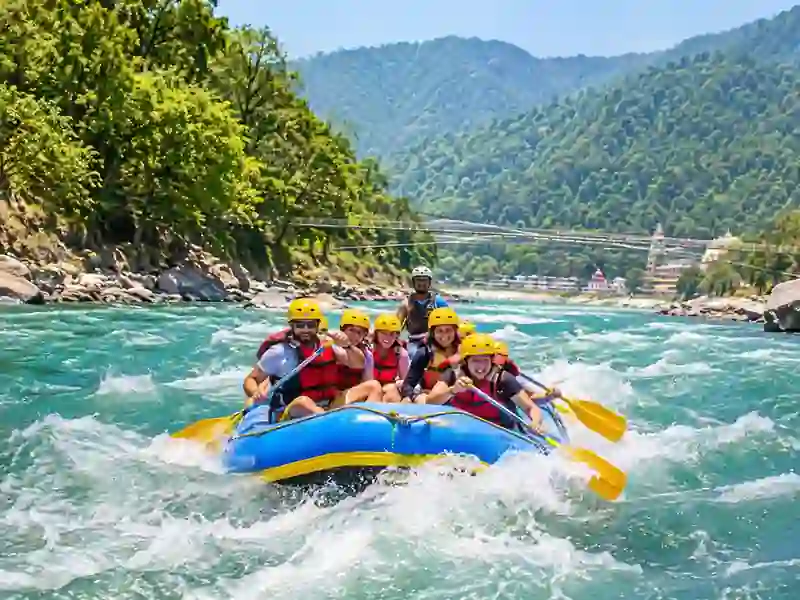
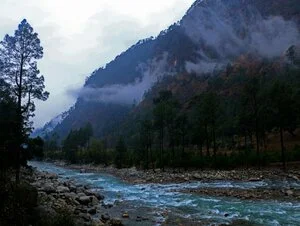
- Navigate exciting rapids on authorized rafting stretches.
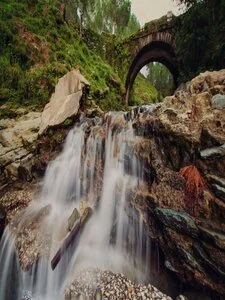
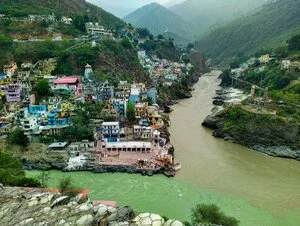
- Enjoy spectacular views of forested hills and river valleys.
- Choose suitable rafting routes based on experience and river conditions.

Uttarakhand, popularly known as Devbhoomi or the Land of Gods, is one of India's most beautiful Himalayan states, renowned for its snow-covered mountains, sacred temples, picturesque valleys, pristine lakes, dense forests, and adventure destinations. Located in northern India, Uttarakhand offers an extraordinary combination of natural beauty, spirituality, wildlife, and traditional Himalayan culture. From the peaceful hill stations of Nainital and Mussoorie to the sacred shrines of Kedarnath and Badrinath, the state attracts travellers seeking memorable experiences throughout the year.
Established on 9 November 2000 after separating from Uttar Pradesh, Uttarakhand is geographically and culturally divided into two major regions: Garhwal and Kumaon. Dehradun serves as the state capital, while Gairsain (Bhararisain) is its summer capital. The state shares international borders with Nepal and China (Tibet) and is home to some of the most spectacular landscapes in the Indian Himalayas.
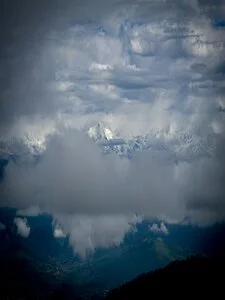
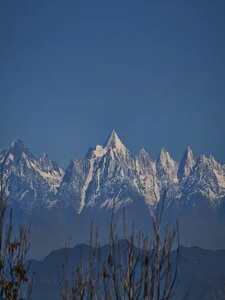
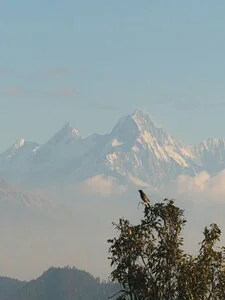
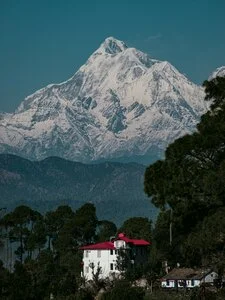
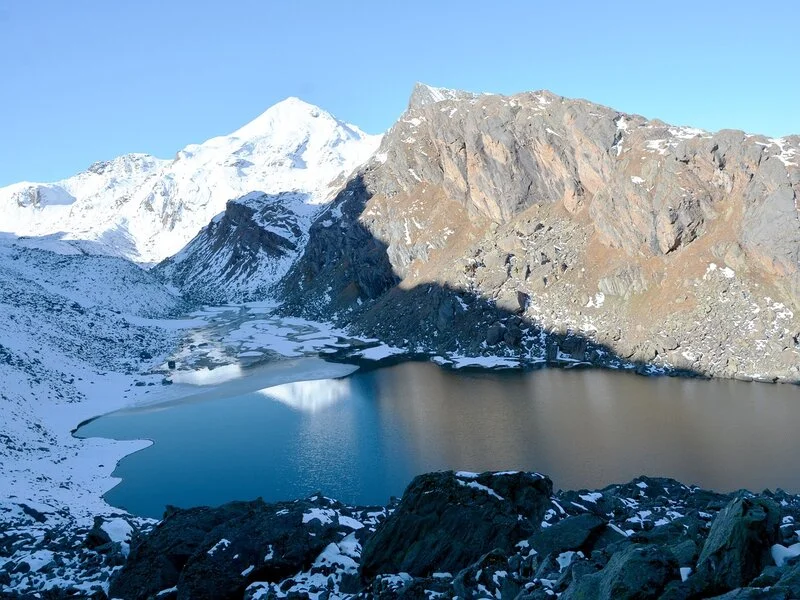
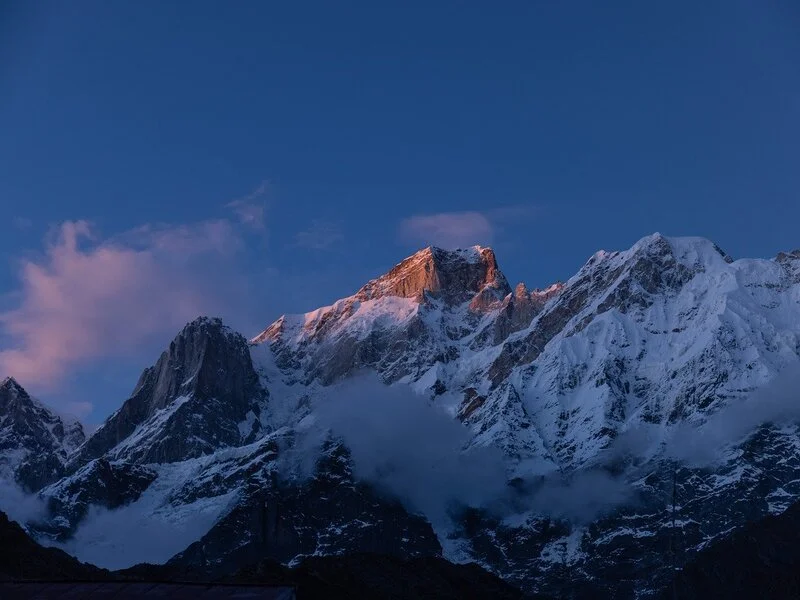
Uttarakhand is blessed with an incredible variety of natural landscapes, ranging from forested foothills and river valleys to alpine meadows, glaciers, and towering Himalayan peaks. The majestic Nanda Devi, India's second-highest mountain, rises within the state and forms part of its remarkable Himalayan scenery.
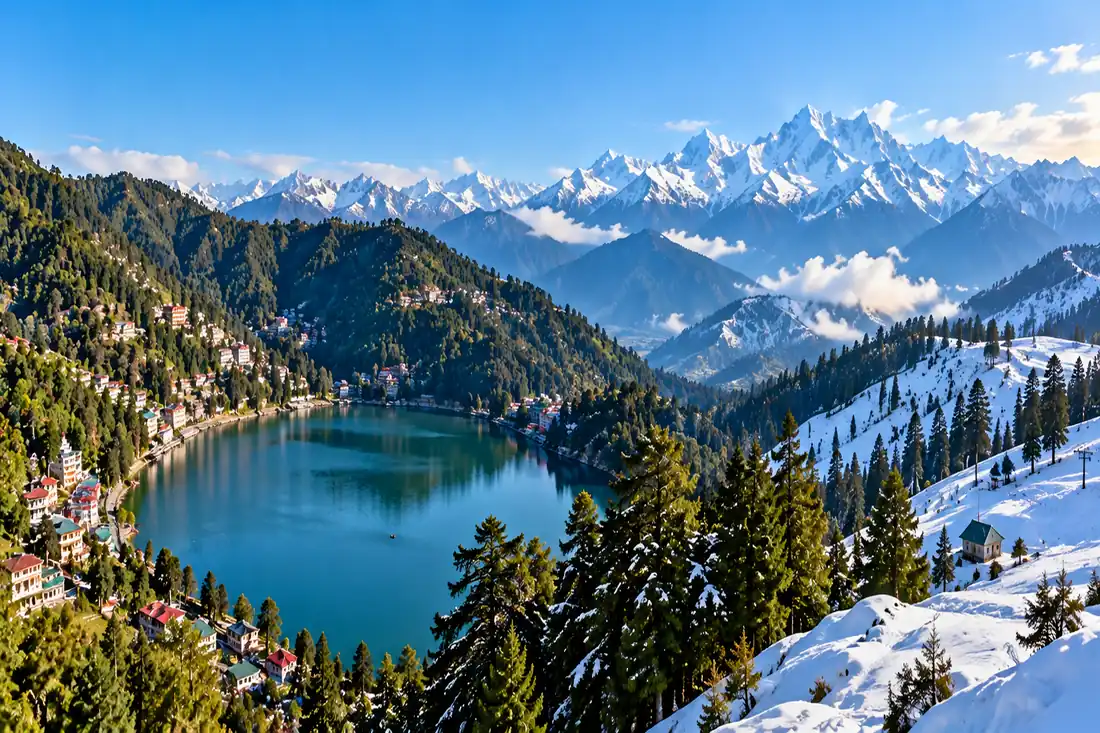
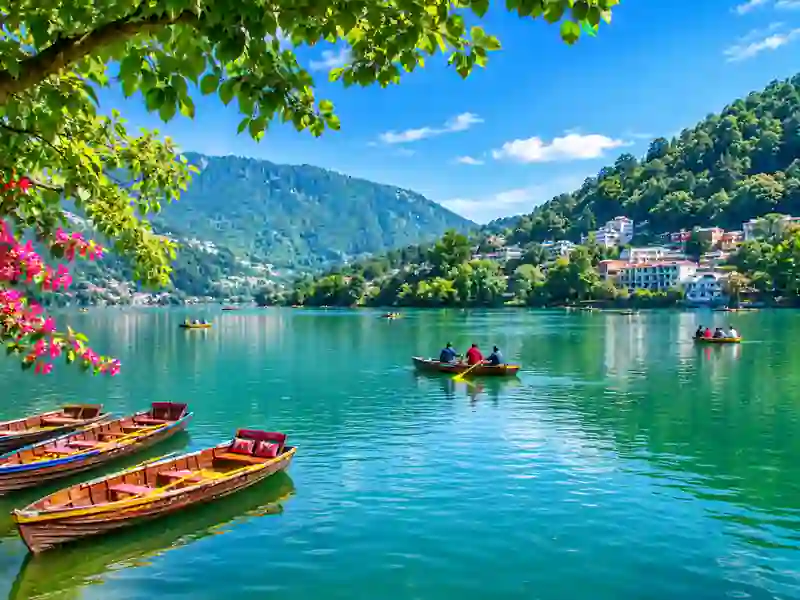
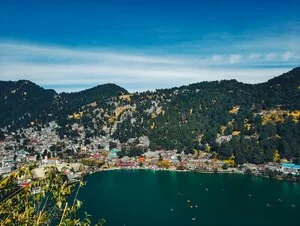
The Kumaon region is especially famous for its beautiful lakes and panoramic mountain views. Nainital, built around the picturesque Naini Lake, is one of the most popular hill stations in Uttarakhand. Nearby destinations such as Bhimtal, Sattal, Naukuchiatal, Mukteshwar, Ranikhet, Kausani, and Munsiyari offer peaceful surroundings, scenic viewpoints, and opportunities to experience mountain life.
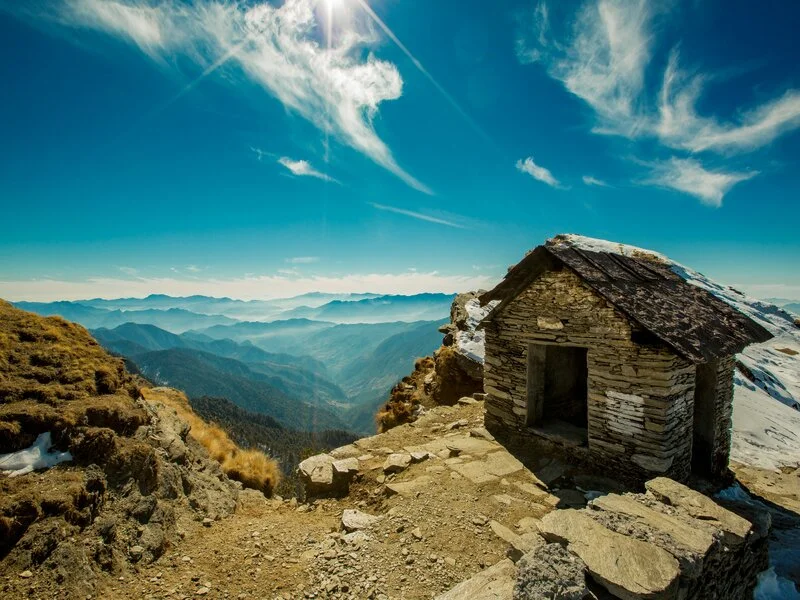
In the Garhwal region, Mussoorie, often called the Queen of Hills, attracts visitors with its colonial-era charm, mountain viewpoints, and popular attractions such as Kempty Falls and Gun Hill. Other destinations, including Dhanaulti, Kanatal, Chopta, Auli, and Chakrata, offer beautiful forests, alpine landscapes, and quieter mountain experiences.
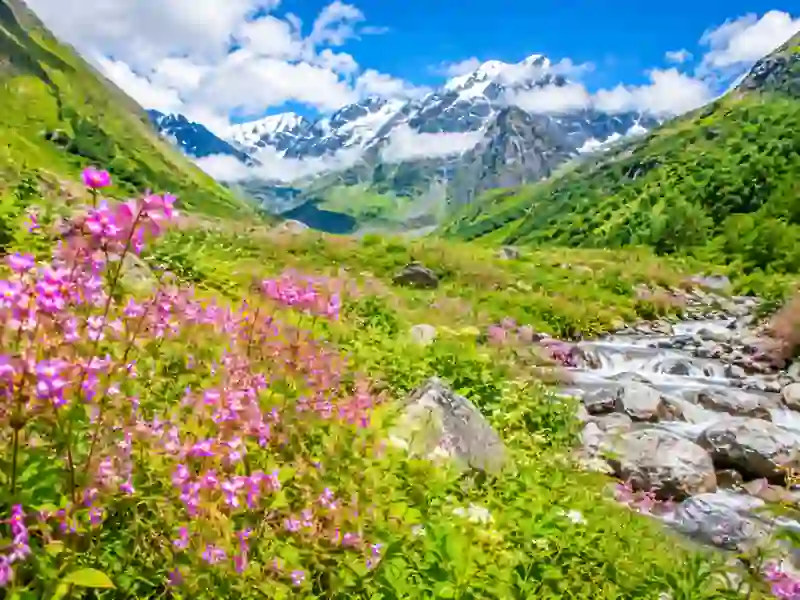
Nature enthusiasts can also explore the Valley of Flowers National Park, a UNESCO World Heritage Site celebrated for its seasonal alpine wildflowers, mountain streams, and extraordinary biodiversity. The valley is particularly famous for its colourful flowering season during the summer monsoon months.
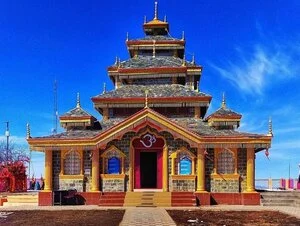
Uttarakhand holds immense religious significance and is among India's most important pilgrimage destinations. The state is home to the revered Char Dham Yatra, comprising Yamunotri, Gangotri, Kedarnath, and Badrinath.
Kedarnath Temple, dedicated to Lord Shiva, stands amid dramatic Himalayan scenery, while Badrinath Temple, dedicated to Lord Vishnu, is one of the most significant pilgrimage shrines in India. Yamunotri and Gangotri are associated with the sacred rivers Yamuna and Ganga.
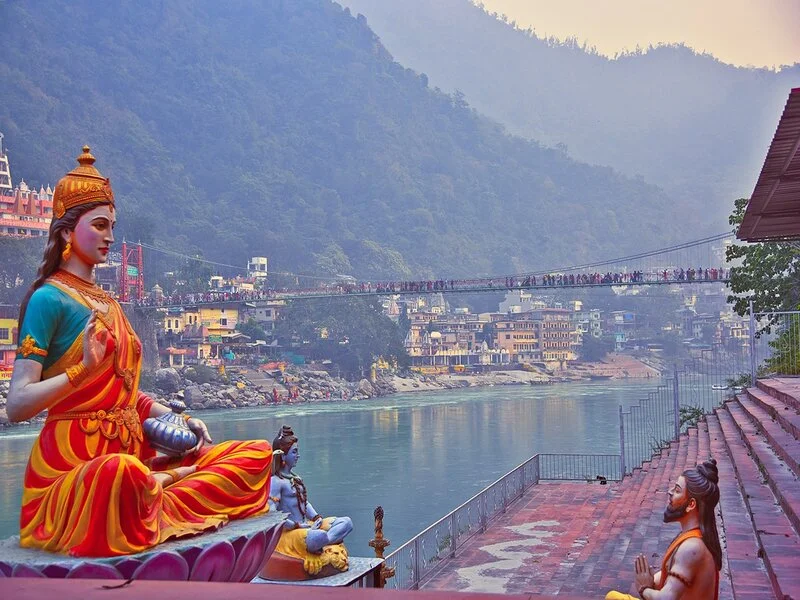
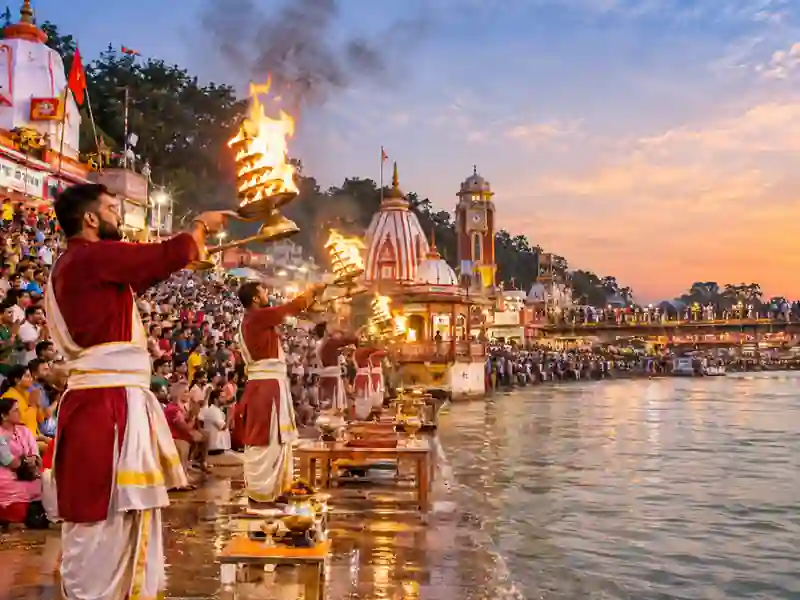
The holy city of Haridwar is famous for Har Ki Pauri and the evening Ganga Aarti, attracting pilgrims from across the country. Nearby Rishikesh, widely known as the Yoga Capital of the World, is an important centre for yoga, meditation, spiritual retreats, and traditional ashrams.
Other significant spiritual destinations include Tungnath, Hemkund Sahib, Jageshwar Dham, Neelkanth Mahadev Temple, Kainchi Dham, and Dhari Devi Temple.
The state's spiritual heritage is closely connected with the Himalayan environment, ancient traditions, and the sacred rivers that originate in the region.
Beyond its spiritual significance, Uttarakhand is one of India's leading destinations for outdoor adventure. Its mountains, rivers, forests, and high-altitude landscapes provide opportunities for trekking, rafting, skiing, camping, mountaineering, and nature exploration.
Rishikesh is particularly famous for white-water rafting on the River Ganga, along with bungee jumping and other adventure activities operated at designated locations.
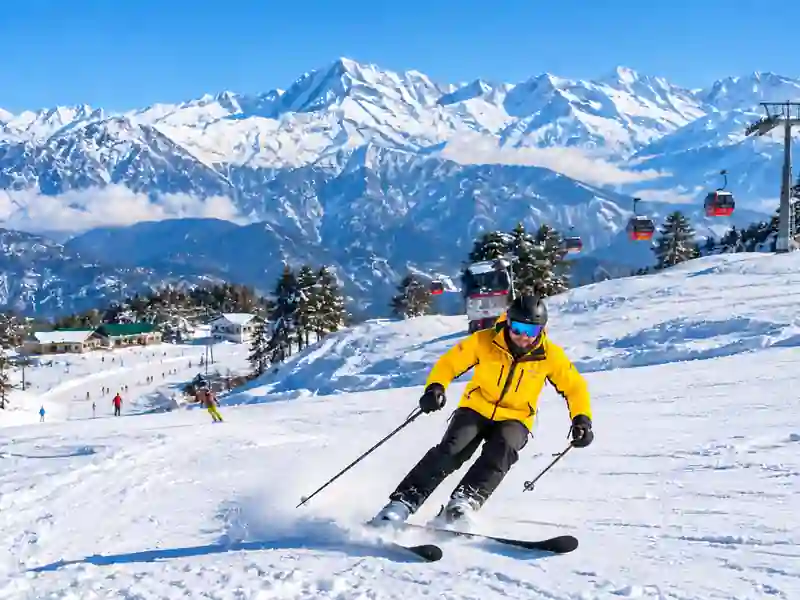
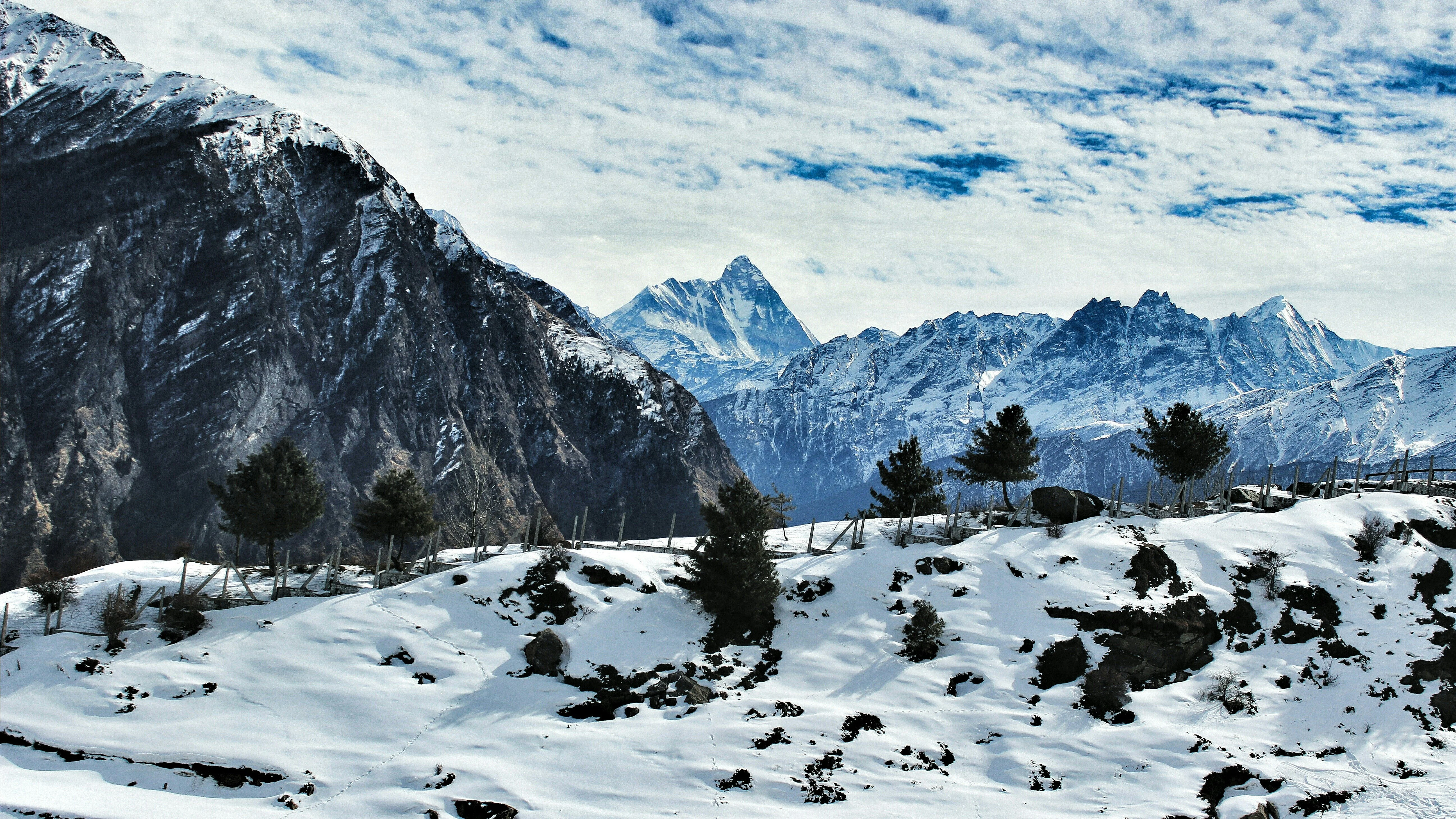
Auli, situated in the Chamoli district, is a renowned winter destination known for its skiing slopes and spectacular Himalayan views. Snow conditions generally determine the availability of skiing activities.
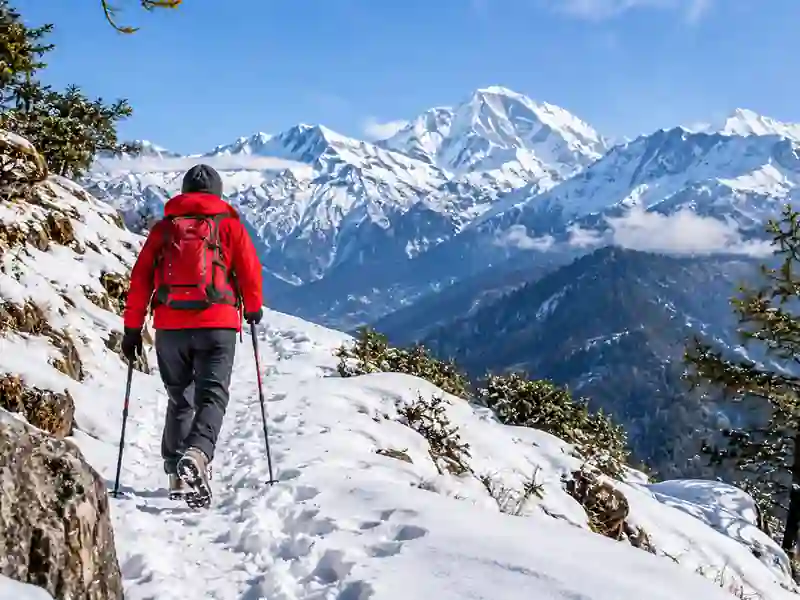
Trekking enthusiasts can explore popular routes such as Kedarkantha, Har Ki Dun, Dayara Bugyal, Chopta–Tungnath–Chandrashila, and the Valley of Flowers. Each trek offers different terrain, difficulty levels, seasonal conditions, and mountain experiences.
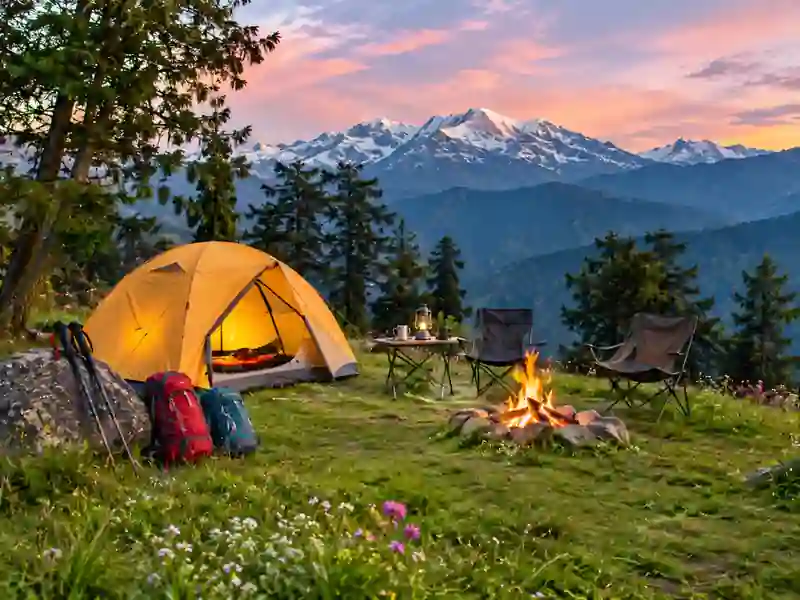
For travellers seeking peaceful outdoor activities, Uttarakhand also offers lakeside boating, birdwatching, forest walks, camping, and scenic mountain drives.
Uttarakhand is home to rich biodiversity, protected forests, and several important wildlife conservation areas.
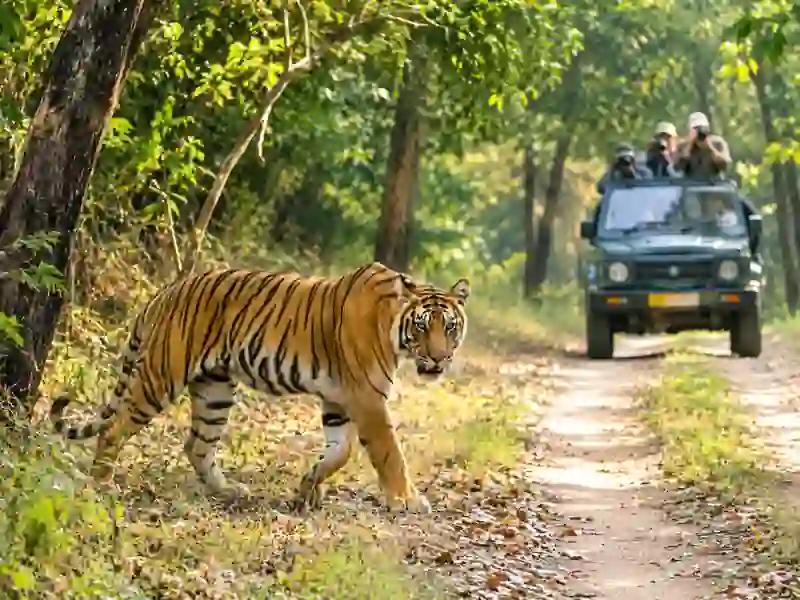
Jim Corbett National Park, located in the Kumaon region, is among India's most famous wildlife destinations. It is known for its Bengal tiger population, Asian elephants, deer, birdlife, and diverse forest ecosystems. Visitors can explore designated tourism zones through authorized wildlife safaris.
Rajaji National Park, situated near Haridwar, Rishikesh, and Dehradun, is another important wildlife destination, particularly known for elephants and forest biodiversity.
Other protected landscapes, including Nanda Devi National Park, Gangotri National Park, and the Valley of Flowers, contribute to Uttarakhand's ecological importance.
Wildlife sightings are never guaranteed, and safari access depends on permits, seasonal schedules, and forest regulations.
The cultural identity of Uttarakhand is shaped by the traditions of its Garhwali and Kumaoni communities. Traditional music, folk dances, regional festivals, local handicrafts, and village customs reflect the state's deep connection with its Himalayan heritage.
Important festivals include Harela, Phool Dei, Igas, and Nanda Devi celebrations, each associated with regional traditions, seasonal changes, or religious beliefs.
Visitors can also experience authentic Uttarakhand cuisine, including dishes such as Kafuli, Chainsoo, Aloo Ke Gutke, Phaanu, and traditional preparations made with locally grown grains and pulses.
Village tourism and homestays provide opportunities to experience regional hospitality, traditional architecture, and everyday mountain life.
Uttarakhand offers different travel experiences across the seasons.
March to June is popular for hill station holidays, sightseeing, and escaping the summer heat. October to November generally offers pleasant weather and clearer mountain views in many regions.
Winter, from December to February, attracts travellers interested in snowfall and snow-based activities at suitable high-altitude destinations.
The monsoon season, generally from July to September, transforms the hills into lush green landscapes but can also bring heavy rainfall, landslides, and road disruptions. Certain seasonal treks, including the Valley of Flowers, are popular during this period, subject to official access and weather conditions.
High-altitude pilgrimage routes, trekking trails, and national park tourism zones follow their own seasonal operating schedules.
What makes Uttarakhand special is the diversity of experiences available within a single Himalayan state. Travellers can enjoy peaceful lake towns, explore ancient temples, witness mountain landscapes, discover wildlife, participate in adventure activities, and experience traditional village culture.
Families can choose comfortable hill station holidays in Nainital or Mussoorie, couples can enjoy romantic mountain retreats in Auli or Kausani, adventure enthusiasts can explore Rishikesh and Himalayan trekking routes, while pilgrims can undertake spiritual journeys to the Char Dham shrines.
Whether you are visiting for a weekend getaway, a family vacation, a pilgrimage, or an extended Himalayan adventure, Uttarakhand offers destinations and experiences suited to different interests and travel styles.
Discover Uttarakhand with Travel Ride and explore the state's breathtaking landscapes, sacred heritage, adventure destinations, and unforgettable Himalayan experiences.

Explore the most beautiful places to visit in Uttarakhand, from the scenic hill stations of Nainital, Mussoorie, and Auli to the sacred destinations of Kedarnath, Badrinath, Haridwar, and Rishikesh. Discover peaceful lakes, snow-covered Himalayan peaks, lush valleys, wildlife sanctuaries, and charming mountain villages across the Garhwal and Kumaon regions.
Experience the best things to do in Uttarakhand, including river rafting in Rishikesh, skiing in Auli, Himalayan trekking, wildlife safaris, and boating on scenic lakes. From spiritual experiences along the Ganga to camping in mountain valleys, Uttarakhand offers exciting adventures, peaceful nature escapes, and memorable cultural experiences for every traveller.
The best time to visit Uttarakhand depends on your preferred destinations and activities. March to June is popular for hill station holidays, while October to November generally offers pleasant weather and clearer Himalayan views. Winter attracts snowfall enthusiasts, whereas the monsoon transforms the mountains into lush green landscapes but may bring heavy rainfall and travel disruptions.
Enjoy pleasant mountain weather, scenic hill stations, boating, sightseeing, and family holidays in Mussoorie, Nainital, and Ranikhet.
Experience lush green valleys, misty mountains, and seasonal flowers, but remain cautious of heavy rainfall and landslides.
Enjoy clear Himalayan views, comfortable temperatures, scenic landscapes, photography, and trekking in destinations like Chopta and Kausani.
Discover snow-covered Himalayan landscapes, skiing in Auli, winter adventures, and beautiful mountain scenery across Uttarakhand's higher regions.
Uttarakhand is well connected to major Indian cities by air, train, and road. Travellers can reach popular destinations through Dehradun and Pantnagar airports, important railway stations such as Haridwar, Dehradun, and Kathgodam, or well-connected highways from Delhi and neighbouring states. Local taxis, buses, and private vehicles provide onward transportation to hill stations, pilgrimage sites, and mountain destinations.
Jolly Grant Airport serves Garhwal, while Pantnagar Airport connects travellers to Kumaon destinations, including Nainital and Bhimtal.
Major railway stations include Dehradun, Haridwar, Rishikesh, and Kathgodam, offering convenient connections to popular tourist destinations.
Uttarakhand is accessible from Delhi and neighbouring states through highways, with regular buses, private taxis, and scenic mountain routes.
Explore available tour packages and current listed prices.


Travel articles, destination information and useful guides.
How to Choose the Best Chardham Yatra Package for First-Time Pilgrims→
Everything You Need to Know About Chardham Yatra by Helicopter→
Travel agent in Haridwar→
Panch Badri - The Five Holy Abode of Lord Vishnu→
The Enchanting Vacation In Top Hill Station In India→
Top 10 Places Of Uttarakhand For A Dreamy Honeymoon Trip→
Paragliding in India→
Trekking in India→
20 Best Trekking Place in Uttarakhand→
Triyuginarayan - A Wedding Destination of Lord Shiva→
Panch Kedar - The Five Sacred Shrines of Lord Shiva→
Panch Prayag - The Five Sacred Confluence of Holy Rivers→
8 Famous Hill Stations in Uttarakhand→
The four Hindu Pilgrimage Sites in the Four Corners of India→
Learn About the local Culture with these vibrant festivals of Uttarakhand→
22 Famous Temples In Uttarakhand→
15 Tourist Attractions in Uttarakhand that you Must Visit→
Top 20 Attractions of Uttarakhand's Capital- Dehradun→Helpful answers about Uttarakhand.
Garhwal and Kumaon offer different travel experiences, so the better choice depends on your interests and available time. Garhwal is ideal for travelers interested in Mussoorie, Rishikesh, Haridwar, Auli, and Himalayan pilgrimage destinations such as Kedarnath and Badrinath. Kumaon is particularly attractive for peaceful hill stations, lakes, forest retreats, and mountain views around Nainital, Bhimtal, Mukteshwar, Kausani, and Ranikhet. First-time visitors with 4–5 days should generally explore one region instead of combining both. Travelers planning a longer Uttarakhand holiday can explore selected destinations across Garhwal and Kumaon with carefully arranged road transfers.
Yes, Mussoorie, Rishikesh, Haridwar, and Auli can be combined into one Uttarakhand itinerary, but travelers should ideally allow 7–9 days for a comfortable experience. Haridwar and Rishikesh can be explored together because they are relatively close, while Mussoorie requires a separate mountain journey. Auli is considerably farther away and is usually approached through Joshimath, making it important to reserve sufficient travel time. Families should avoid planning Auli as a quick day trip from Rishikesh. A well-organized route can include spiritual experiences, hill station sightseeing, Himalayan landscapes, and adventure activities without unnecessary backtracking.
The ideal duration depends on the destinations selected. A 3–4-day Uttarakhand trip works well for nearby combinations such as Haridwar–Rishikesh or Nainital–Bhimtal. A 5–6-day itinerary allows travelers to explore Mussoorie with Rishikesh or Nainital with Mukteshwar and Kausani. Visitors interested in Auli, Chopta, or remote Himalayan destinations should consider additional days because mountain roads can make short distances time-consuming. Covering both Garhwal and Kumaon comfortably often requires 10 days or longer. Travelers should plan sightseeing according to actual driving hours rather than distances alone, especially when traveling with children or senior citizens.
Auli, Chopta, Dhanaulti, and higher-altitude areas around Mussoorie are among the destinations where travelers may experience snowfall during winter. Auli is particularly popular for snow-covered mountain scenery and skiing activities when conditions permit. Chopta can also receive significant snowfall, but road access may become difficult after heavy snow. Mussoorie and Dhanaulti occasionally experience snowfall, although it is not guaranteed every winter. December to February generally offers the best opportunities in suitable high-altitude areas. Travelers should check current road conditions, hotel accessibility, and weather forecasts before departure rather than booking a particular destination with the expectation of guaranteed snowfall.
Uttarakhand experiences significant monsoon rainfall during July and August, making waterfalls, forests, and mountain landscapes especially scenic. However, heavy rain can also cause landslides, road blockages, swollen rivers, and temporary restrictions on outdoor activities. Remote Himalayan routes and landslide-prone mountain roads require particular caution. Travelers should avoid trekking near unstable slopes or entering rivers and waterfalls during heavy rainfall. Lower-altitude destinations may offer alternative sightseeing options, but no location can be considered completely risk-free during severe weather. Visitors should follow official weather warnings, maintain flexible travel plans, and avoid unnecessary road journeys during heavy rain alerts.
Nainital, Bhimtal, Ranikhet, Kausani, Mussoorie, and selected areas around Dehradun are suitable options for senior citizens seeking scenic holidays without demanding mountain treks. These destinations offer viewpoints, lakes, temples, gardens, and opportunities for relaxed sightseeing. However, some attractions still involve steps, sloping roads, or walking from designated parking areas. Families should choose accommodation with lifts or ground-floor rooms and avoid hotels located along steep pedestrian-only approaches. Longer mountain transfers should also be divided into manageable journeys. For travelers with mobility limitations, a private vehicle and carefully selected sightseeing locations can make an Uttarakhand holiday considerably more comfortable.
The four main Char Dham temples do not remain open throughout the year. Kedarnath, Badrinath, Gangotri, and Yamunotri generally open during the spring pilgrimage season and close before winter, with exact dates announced annually. During the winter closure, worship continues at designated winter seats associated with the respective shrines. Travelers interested in visiting the main temples must plan according to official opening dates, road accessibility, and pilgrimage registration requirements. Kedarnath and Yamunotri also involve significant trekking arrangements. Tourists planning a winter religious journey can explore appropriate winter pilgrimage destinations, but these should not be confused with visiting the original high-altitude shrines.
Jim Corbett National Park and Rajaji National Park offer different wildlife experiences. Jim Corbett is popular for its forest landscapes, tiger habitat, elephants, deer, and designated jeep safari zones such as Bijrani, Jhirna, and Dhikala. Rajaji National Park, located near Haridwar, Rishikesh, and Dehradun, is particularly known for Asian elephants, forest scenery, and birdwatching opportunities. Jim Corbett is often preferred by travelers planning a dedicated wildlife holiday, while Rajaji can be convenient for visitors combining wildlife with Haridwar or Rishikesh. Safari availability depends on the selected zone, season, permits, and forest regulations. Wildlife sightings cannot be guaranteed at either park.
Uttarakhand offers trekking experiences for different fitness levels. Shorter routes around Nag Tibba, Deoria Tal, and selected forest trails near hill stations are popular among beginners, although uphill walking and basic physical fitness are still required. Treks such as Kedarkantha and Chopta–Tungnath involve greater altitude exposure and may become challenging during winter. More demanding routes, including Roopkund-area expeditions and high-altitude glacier treks, require additional preparation, suitable equipment, and attention to current access restrictions. Beginners should choose routes based on actual elevation gain, trail conditions, and seasonal weather rather than distance alone. Guided trekking is recommended for unfamiliar mountain terrain.
Yes, Rishikesh offers a combination of adventure and wellness experiences that can be included in a 2–3-day visit. Travelers can explore yoga and meditation sessions, Ganga Aarti, riverside attractions, and selected adventure activities. River rafting operates only when permitted river and weather conditions are suitable, while bungee jumping requires advance reservations and compliance with operator safety requirements. Camping arrangements also depend on approved locations and environmental regulations. Families should consider age limits, medical restrictions, and individual comfort levels before booking adventure activities. Visitors interested in both rafting and yoga should keep sufficient time between activities instead of scheduling everything within one day.
The most convenient transportation option depends on the destination. Dehradun's Jolly Grant Airport provides air connectivity for travelers visiting Dehradun, Mussoorie, Rishikesh, and nearby areas. Trains to Haridwar, Dehradun, Kathgodam, and other railway stations are practical for reaching different parts of Uttarakhand. Kathgodam is particularly useful for travelers heading toward Nainital, Bhimtal, and nearby Kumaon destinations. Private taxis offer flexibility for families carrying luggage or visiting multiple places, while self-driving requires confidence on winding mountain roads. Travelers should select their arrival point according to the region they intend to explore to avoid unnecessary transfers across the state.
Yes, Valley of Flowers, Hemkund Sahib, and Badrinath can be combined into one Himalayan itinerary because the trekking routes to Valley of Flowers and Hemkund Sahib begin around Govindghat and Ghangaria, while Badrinath is accessible farther along the main mountain road. Travelers should generally allow approximately 6–8 days from Haridwar or Rishikesh, depending on trekking pace and overnight stops. Valley of Flowers and Hemkund Sahib require separate trekking days and are subject to seasonal opening dates and weather conditions. Hemkund Sahib involves a particularly steep, high-altitude climb. Travelers should confirm trekking permissions, accommodation availability, and road conditions before planning the journey.